

FACED with a year of dramatic weather extremes, the gardening team at the National Trust’s Dunster Castle have been changing the way they care for plants to help the historic gardens adapt to a changing climate.
They report the exceptionally hot, dry summer has tested plants across the gardens, while forecasts of a wetter winter could bring a different set of challenges.
From protecting vulnerable species to identifying plants better suited to future conditions, the castle’s gardens team continually has to adapt as conditions for some plants approach what are found in Mediterranean regions.
Head gardener James Cordingley said: "This year has been defined by weather extremes.
"The prolonged heat and drought have been challenging for both gardeners and plants.
“At the same time, we are preparing for the possibility of a much wetter winter.
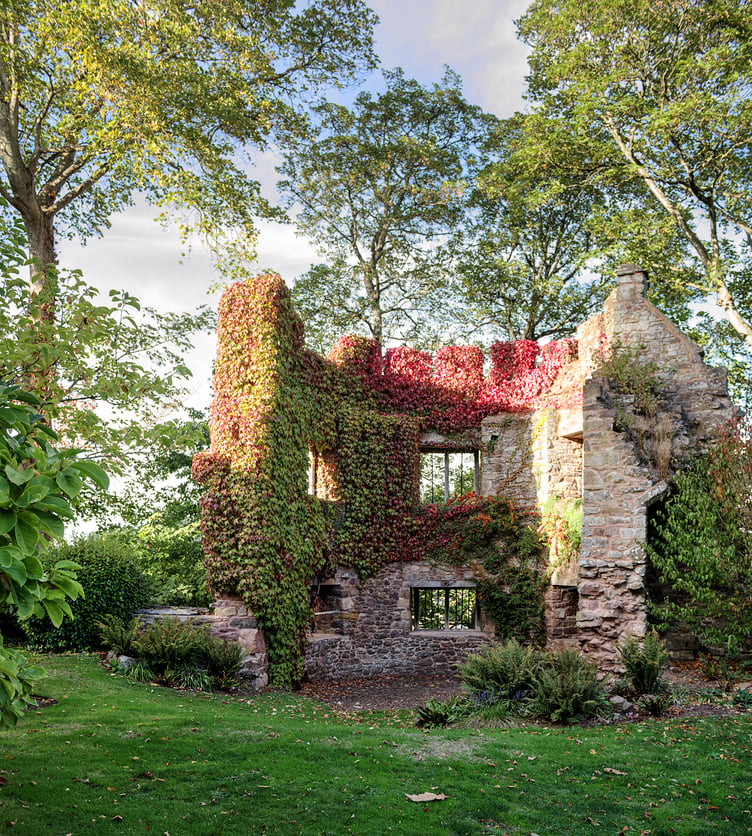
“Our role is increasingly about helping the garden cope with these shifts, learning which plants are resilient, and finding new ways to care for those that are not."
Mr Cordingly said Dunster's mild coastal climate and high number of sheltering trees had long allowed an extraordinary range of plants from around the world to grow there, including many species from Mediterranean regions.
 Tributes paid by two families to Minehead couple killed in A358 crash
 Tarr Steps washed away again as storms sweep across West Somerset on successive days
 Halloween beach clean volunteers looking for scariest litter or debris item
 Second named storm brings yellow warning of heavy rain and possible flooding
Some of the plants had flourished during this summer's hot weather.
Earlier in the year, visitors were treated to the rare sight of Furcraea, from Mexico, sending up towering flower spikes on the South Terrace.
Flowering only once in its lifetime, the plant's dramatic display illustrated how some heat-loving species were thriving in conditions which were becoming increasingly common in the UK.
Now, as autumn begins, the strawberry trees (Arbutus unedo) are also putting on a particularly impressive display.
Mr Cordingly said: "The strawberry trees are carrying a bumper crop of fruit this year.
"We suspect the warm conditions have played a part.
“They are a good example of a species that copes well with hot summers while also tolerating the milder, wetter winters we are increasingly experiencing."
With more than 50 strawberry trees growing across the estate, Dunster is one of the best places in the UK to see their jewel-like red fruits in autumn.
While some plants have prospered, others have struggled during periods of extreme heat.
Looking ahead to winter, the gardening team is taking steps to protect more vulnerable species from increasingly unpredictable weather.
Plants such as the King Protea (Protea cynaroides) will be moved under glass for the colder months, while other specimens are being propagated to safeguard them for future years.
Mr Cordingly said: "As gardeners, we are constantly experimenting and adapting.
"The conditions we are seeing now are different to those of even a few decades ago, and we are learning all the time.
“It is about building resilience into the garden so it can continue to thrive for future generations.
“With more than 800 trees and a diverse collection of unusual species from around the world, the gardens offer visitors a chance to experience both the beauty of the season and the ways gardens are adapting to a changing climate.”
Comments
We've recently changed our login process. If you have an account for commenting, you will need to re-register on the login window.
This article has no comments yet. Be the first to leave a comment.