
VOLUNTEERS have been traipsing across Exmoor to track pine martens which were reintroduced to the moors last September after an absence of 150 years.
The volunteers with the Two Moors Pine Marten Project (TMPMP), led by Devon Wildlife Trust, can keep tabs on the animals via radio collars with which they were fitted.
The devices will work for about six to nine months before they drop off the pine martens.
Already, they have shown some of the critically endangered mammals have travelled more than 40 miles from their release points as they explore, settle, and establish territories across the landscape.
 Fault with Exmoor overhead electricity lines as Met Office issues strong winds alert
.jpeg?width=209&height=140&crop=209:145,smart&quality=75) Eat your way across Exmoor throughout February - and maybe stay awhile
Eat your way across Exmoor throughout February - and maybe stay awhile.jpeg?width=209&height=140&crop=209:145,smart&quality=75) Sponsors sought by national park authority for iconic Exmoor festivals
Sponsors sought by national park authority for iconic Exmoor festivals Exmoor volunteers helping to finish garden project started two centuries ago
The collars are needed because pine martens are solitary and mostly nocturnal animals which live in low densities and avoid humans, making it a challenge to monitor their movements from a distance.
The pine marten team are also working closely with landowners to set up camera traps to further monitor the wellbeing of the animals.
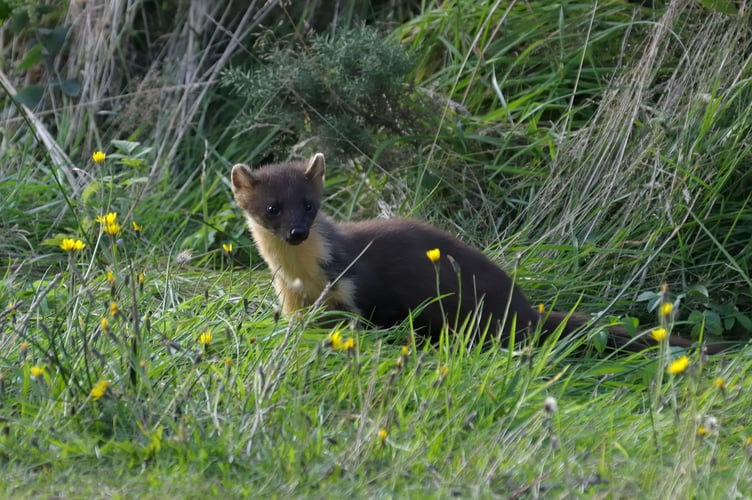
TMPMP released 19 pine martens, nine females and 10 males, in secret locations owned by the National Trust and Exmoor National Park Authority.
The release was the culmination of seven years of work to reintroduce the once-native species and followed the release on Dartmoor the previous year, where the first kits have since been born.
A wildlife trust spokesperson said: “This is a brilliant sign that pine martens will thrive once again in the South West and hopefully next spring we will see kits on both Exmoor and Dartmoor.
“Over the coming years, we expect the Exmoor and Dartmoor populations to gradually grow and connect, creating a stable pine marten population across the South West, restoring balance to our woodlands once more.
“Our team is working closely with landowners, educating and providing ongoing support for those living alongside protected pine martens.
“This collaboration also allows us to install trail cameras, enabling us to monitor the animals location and wellbeing from afar.
“We can identify individual pine martens in the footage by the unique bib pattern on their chest.
“To help us, our field officer Ali has created a ‘bibliography’ of all our pine martens across Dartmoor and Exmoor.
“Our engagement officers have been visiting schools, where they explore ecosystem dynamics and the vital role predators like pine martens play in our woodlands.
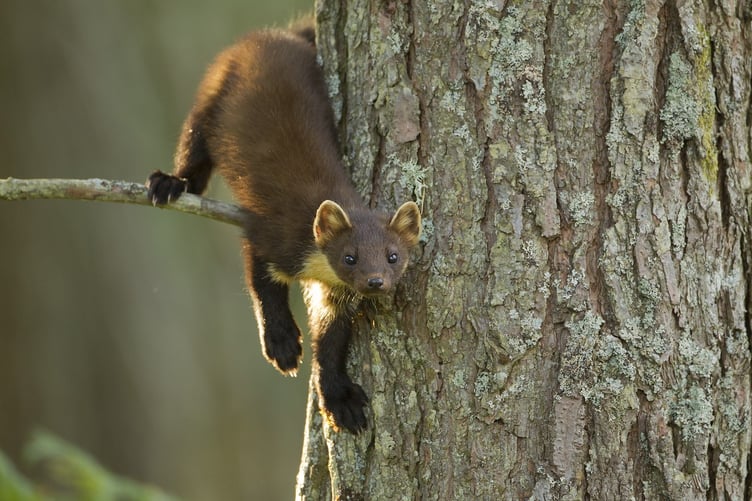
“They have been inspired by the enthusiasm of the young people who quickly connect with the project and understand the importance of restoring lost species
“For many, it offers hope.
“Not just for wildlife and woodlands, but for their ability to drive positive change in the future.
“The reintroduction of pine martens to the South West would not have been possible without the support of local people, businesses, landowners, community groups, and volunteers.
“A huge thank you to everybody whose hard work and passion brought this vision to life.”
The spokesperson said any schools which would like to incorporate pine martens into their classrooms should contact the team and explore the trust’s school resources.
A series of community engagement activities was also being planned across West Somerset throughout 2026.
Comments
We've recently changed our login process. If you have an account for commenting, you will need to re-register on the login window.
This article has no comments yet. Be the first to leave a comment.