
CONTROVERSIAL ‘Live Facial Recognition’ (LFR) technology is to start being used by Avon and Somerset Police in the coming weeks.
The constabulary said it was part of its ‘ongoing work to protect the public, prevent crime, and safeguard vulnerable people’.
The first deployment is planned to take place in Bath on Wednesday, November 25, subject to final operational authorisation.
Additional information about the deployment, including timings and the deployment area, will be published in advance.
Avon and Somerset Constabulary is being supported by South Wales Police, which has been using LFR technology operationally for some time.
A spokesperson said: “An initial deployment using South Wales Police equipment and expertise will provide an opportunity to learn from an experienced force and understand the practical considerations involved in delivering LFR deployments.
“Officers will be deployed and engaging with the public during the operation.”
Police operational lead Insp Stuart King said: “As policing continues to evolve, it is important we make appropriate use of proven technology that can help us prevent crime, protect vulnerable people, and keep our communities safe.



“Used appropriately, Live Facial Recognition has the potential to help us locate wanted individuals more quickly, safeguard vulnerable people, and prevent harm.
“We are grateful for the support and experience South Wales Police is providing as we develop our own capability and introduce this technology.
“As with any policing power or tactic, it will only be used where it is lawful, necessary, and proportionate to do so.
“Deployments will be clearly signposted, subject to robust governance and oversight, and supported by a range of safeguards to ensure the technology is used responsibly and transparently.
“We recognise people may have questions about Live Facial Recognition, which is why we are committed to being open about how it is used, the safeguards that are in place, and the role it can play in helping us keep our communities safe.”
Live Facial Recognition supports an established policing tactic by helping officers identify people on pre-authorised watchlists more effectively in crowded public spaces.
It is an overt policing capability which supports officers to identify people who are wanted by the courts, suspected of serious offences, or who may pose an immediate risk of harm to themselves or others.
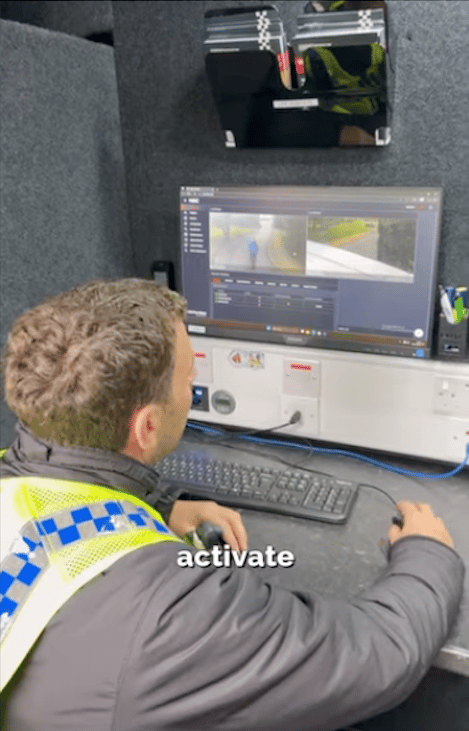
LFR works by comparing facial images captured by live CCTV cameras, on a closed network, against a pre‑authorised watchlist, created specifically for each deployment based on clear policing objectives.
If the system identifies a possible match, trained officers review the alert and may carry out further checks before deciding whether any action is necessary.
The technology does not make decisions by itself.
All facial images captured which do not match somebody on the watchlist are automatically and permanently deleted.
Watchlists are deleted following each deployment in line with force policy and national guidance.
The technology will be deployed using marked police vehicles, with signage positioned outside the ‘Zone of Recognition’ and officers will be on hand to speak to people and answer questions.
Police and Crime Commissioner Clare Moody said she would closely monitor police use of LFR.
Comments
We've recently changed our login process. If you have an account for commenting, you will need to re-register on the login window.
This article has no comments yet. Be the first to leave a comment.