
BEAVERS were released on Tuesday (February 10) into two secret locations to live in the wilds of Exmoor for the first time in 400 years.
The National Trust released a family of the animals and, separately, another pair, on its 12,000-acre Holnicote estate, between Minehead and Porlock.
More beavers will be released over the coming days in areas where they can establish their own territories to engineer wetlands, build dams, and shape diverse habitats to benefit wildlife and communities alike.
The staged release will help to develop a robust and genetically diverse local population.

.jpeg?width=209&height=140&crop=209:145,smart&quality=75)
It was only the second time Natural England had licensed Eurasian beavers to be released into the wild, following a project in Dorset last year.
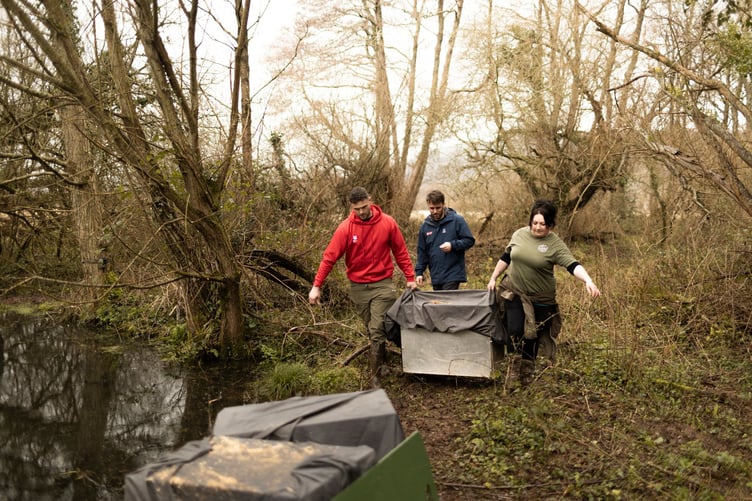
Beavers have been living and breeding in enclosed reserves on the Holnicote estate since 2020, but were not able to roam in the wild.
The beaver pair were introduced into the trust’s ‘Stage 0’ site, one of the most ambitious and innovative river and wetland restoration efforts it had ever undertaken, reconnecting floodplain with the River Aller.
A trust spokesperson said the animals would utilise, manage, and enhance the reconnected floodplain habitat.
The spokesperson said: “Nature’s engineers will create new wetlands to benefit people and nature, to help store water, reduce flood peaks, and support other wildlife.
“Identified sites will further enhance innovative natural solutions already implemented to help hold water in the landscape.”
National Trust project manager Ben Eardley said: “This is incredibly exciting and is the latest step in our ambitions to restore a huge swathe of Somerset countryside and moorland to help bring back nature.
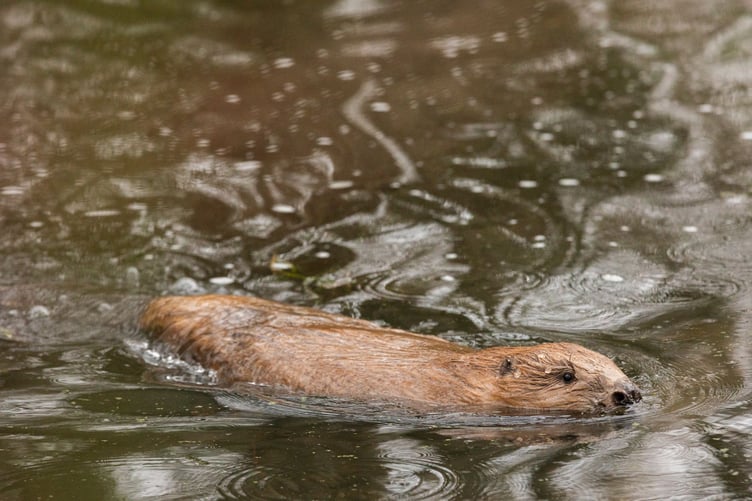
“Beavers are extraordinary partners in our work to restore nature at scale.
“Over the last few years we have seen how their dams and wetlands transform the landscape, create habitat, and help buffer both floods and drought.
“Each pair, or family need their own space.
“Across the estate they will have the opportunity to develop their own territory, enabling them to create wetlands, ponds, build dams, and enrich the landscape in ways only beavers can.
“These ‘ecosystem engineers’ play a vital role in slowing water flow, creating and holding wetland habitats, reducing erosion, improving water quality, and the habitats they create will support a wide range of species.”
Nature Minister Mary Creagh said: “It was a privilege to witness beavers returning to Somerset.
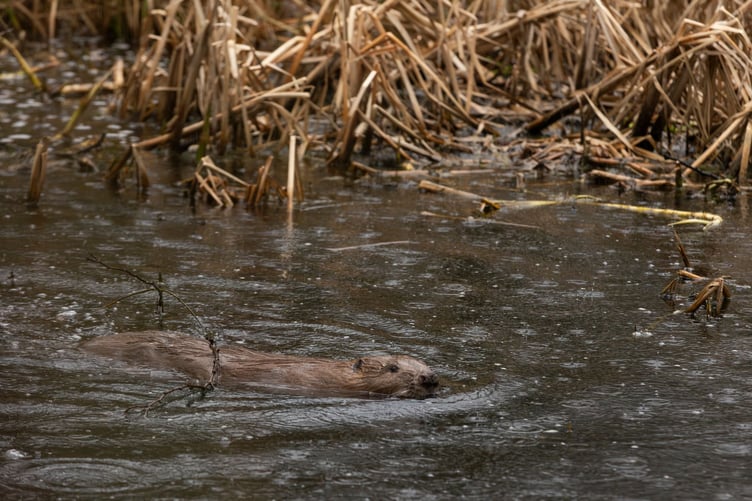
“These extraordinary creatures are brilliant for biodiversity, reduce flood risk, and improve water quality in our rivers.
“The return of beavers is a vital part of this Government’s mission to protect and restore nature and we are working closely with local communities to maximise their benefits.”
Natural England chief executive Marian Spain said: “This work sits alongside our broader ambitions on Exmoor.
“We are partnering with the national park and National Trust to restore dynamic habitats, trial innovative grazing approaches, and support the re-introduction of white-tailed eagles and pine martens, driving nature recovery at scale across this iconic landscape.”
The beaver wild release was made possible thanks to funding by Admiral working with the Beaver Trust.
Comments
We've recently changed our login process. If you have an account for commenting, you will need to re-register on the login window.
This article has no comments yet. Be the first to leave a comment.