
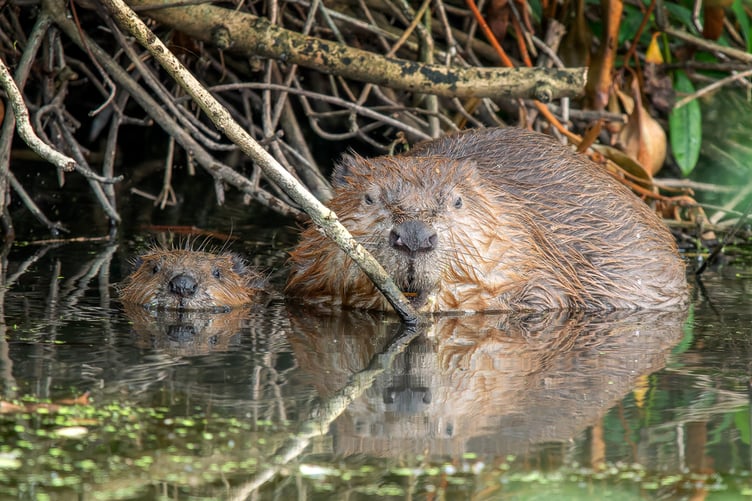
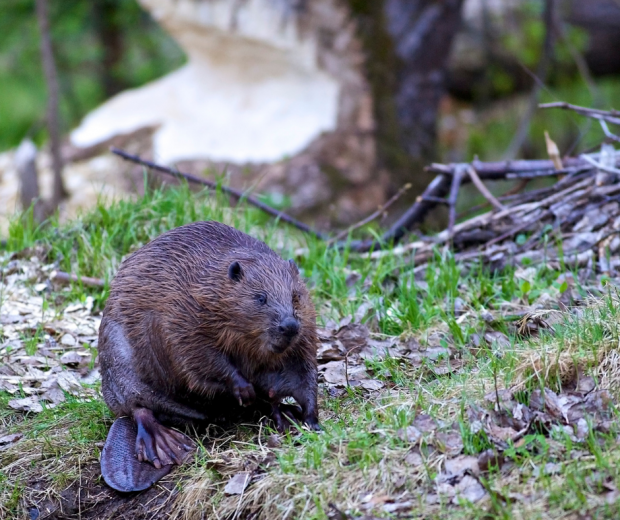
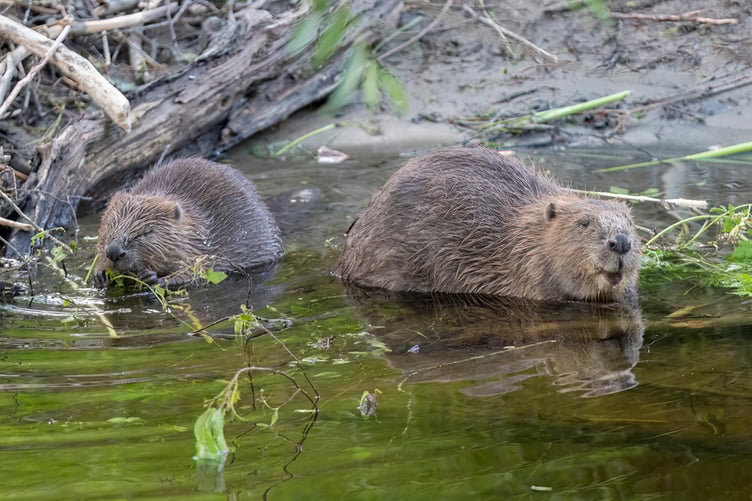
BEAVERS are to be released to live in the wild on Exmoor for the first time in four centuries.
Natural England has licenced a release by the National Trust, which has several beaver families living in paddocks on its Holnicote Estate, between Minehead and Porlock.
Now, the agency has approved plans to let Eurasian beavers roam free in the waterways of Exmoor.
It will be the country’s second authorised release following the first license for wild beavers in Dorset last year and marks a major transition from trial enclosures to free-roaming populations.
.jpeg?width=209&height=140&crop=209:145,smart&quality=75)
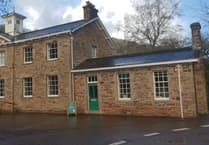
The trust recently held a community talk in Allerford Village Hall to explain its work with beavers and its river restoration programme on Exmoor.
The beavers are being reintroduced to Exmoor to help restore ecosystems, create wetland habitats, and assist in flood and drought mitigation.
The keystone species are considered prodigious ecosystem engineers and proven climate champions, creating natural flood defences and building wetlands which are thriving havens for wildlife.
They were once found in abundance in England but were hunted to extinction 400 years ago.
Natural England chief executive Marian Spain said: “Reintroducing beavers to South West England is a significant milestone with the potential to make a huge difference to nature recovery in the region.
“The successful return of beavers depends on well-planned, collaborative projects built on engagement and trust, and we are committed to getting it right for both nature and communities.”
Nature Minister Mary Creagh said: “Beavers bring extraordinary benefits to our natural landscapes.
“They create havens for other wildlife, help reduce the impact of flood and droughts, and improve water quality in our rivers.
“The return of beavers is a vital part of this Government’s mission to protect and restore nature.
“I look forward to these projects getting going and more future beaver releases.”
Environment Agency deputy director for nature recovery Jenni Balmer said: “We are excited to back new beaver releases in two South West catchments.
“Working with Natural England, we have helped shape these projects to maximise benefits while managing challenges, especially for flood risk and fisheries.
“These well‑planned releases promise big wins for people and nature.
“We will keep championing them as part of our wider work on wild releases nationwide.”
Natural England is carefully managing the return to the wild of the beavers to minimise any potential conflict with farming, food production, and infrastructure.
Wild release projects need to demonstrate 10-year plans to support the introduction of beavers into a landscape before the agency will consider granting licences.
Thirty-two other projects across the country have been identified with potential to meet the beaver wild release criteria, and 11 have already been invited to apply, including in Devon, Cornwall, Dorset, Kent, the Isle of Wight, and Cumbria.
The gradual approach allows local communities time to adapt, building trust and ensuring that beavers become a permanent and valued part of the landscape.
Natural England recently launched its ‘Beaver Considerations Assessment Toolkit’ mapping tool to help people understand the potential impacts and suitability of reintroducing beavers to watercourses.
Comments
We've recently changed our login process. If you have an account for commenting, you will need to re-register on the login window.
This article has no comments yet. Be the first to leave a comment.