

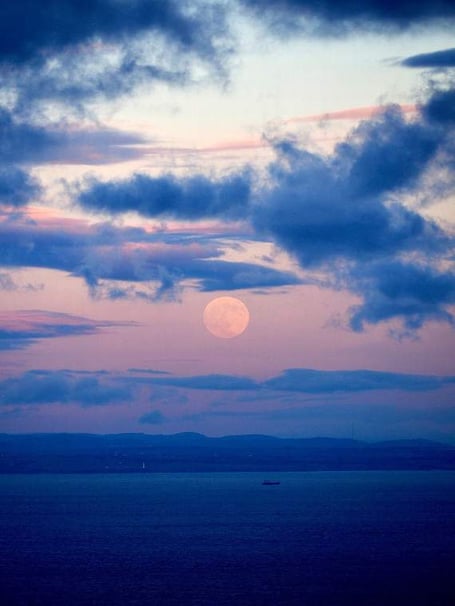
Each spring since 2005, the society and the national park authority have held a conference to explore and discuss themes of importance to the national park. The Covid pandemic has led to this year’s conference being cancelled and instead the Exmoor Society is presenting four free one-hour webinars on the theme of nocturnal Exmoor.
Each webinar will include a keynote speaker, supported by case studies and opportunities for questions for participants during and after the events.
Nocturnal Wildlife on May 7 will feature keynote speaker Professor Fiona Matthews and case studies on bats and beavers.
.jpeg?width=209&height=140&crop=209:145,smart&quality=75)
In Night and Day on May 14, Tim Dee‘s subjects will range from bird migration, case studies on a night on the farm and night through history.
Dark Arts on May 21 will feature case studies by Tiffany Francis Baker, artist and children’s author.
In The Night Sky on May 28, astronomer Jo Richardson will present case studies on Exmoor’s Dark Skies Festival and tips on night photography.
Exmoor Society trustee Nigel Hester said: “Exmoor has a particularly rich wildlife influenced by its geology, topography and geographical position on the south-west coast.
“It is noted for its bats, supporting 16 of the 17 known breeding species in the UK, its butterflies including the rare Heath and Brown fritillaries and for many bird species that inhabit the internationally rare habitats of upland heath, blanket bog and western oak woods.
“However, a decline in species, as the UK State of Nature Report shows, has not escaped even Exmoor’s wealth of wildlife in the last decades, for example, the loss of curlew, ring ouzel and merlin.
“At the same time, Exmoor’s low levels of light pollution were recognised in 2011 by being awarded Europe’s first International Dark Sky Reserve.
“Many species are well adapted to foraging and hunting at night and the dark skies will, no doubt, benefit these including insects, birds and mammals. But we need to find out more about them and the pressures they face, as well as helping people to enjoy the night sky.”
Society chairman Rachel Thomas added: “This is a new venture for the society but webinars are part of the way forward in reaching a wider audience.
“National Parks are special places, each park having a unique character with significant ecological, biological, cultural and scenic values. By concentrating on Nocturnal Exmoor we can demonstrate how all these assets can be protected and yet increase biodiversity and resilience to climate change.”
For further details and to book a place, email The Exmoor Society at [email protected] or visit www.exmoorsociety.com
Comments
This article has no comments yet. Be the first to leave a comment.