
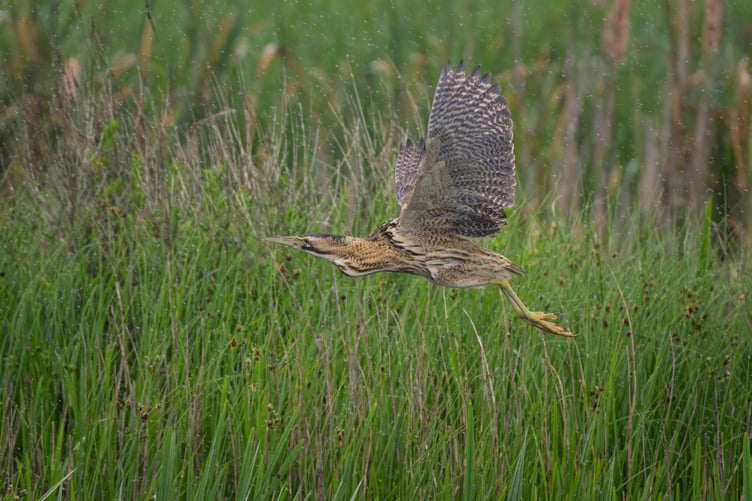
MORE than 350 threatened species, including some only found in this country, will benefit from the largest ever investment in recovering England’s wildlife.
The announcement by Natural England is part of the government’s “Wild Again: Restoring England’s Wildlife” initiative to turn the tide for England’s wildlife.
The swallowtail butterfly and white-clawed crayfish are just two of the species set to benefit from the £60 million largest ever investment in recovering the country’s threatened plants, animals and fungi, supporting 130 projects across England.
Since 1970, wildlife populations have fallen by a third, with one in six species at risk of extinction in Great Britain including some of our most treasured wildlife.
Projects supported through the programme will target 364 threatened species, from birds to beetles, moths to mammals, spiders to snails and sharks to seahorses.
A number of projects will also support farmers and land managers to restore nature alongside food production, for example, projects that support the recovery of pollinator species and their habitats will, in turn, support crop yields.
Among the species set to benefit are the ghost orchid - so scarce it went unrecorded for 23 years before its rediscovery in 2009. It will be located using detection dogs and environmental DNA technology. Other species include the white-clawed crayfish, the UK’s only native crayfish, threatened by invasive species.
Native Species Recovery Hubs led by BIAZA zoos, aquariums and partners will spearhead ex-situ breed-for-release programmes across the North and South of England, acting as catalysts for ambitious conservation translocations supporting the recovery of 16 rare invertebrate species.
The programme will also engage new and diverse audiences, including zoo visitors, scientific and special interest groups, offering insight into England’s unique biodiversity and inspiring greater public connection with and action for nature.
Natural England chair, Tony Juniper, said: “For decades Natural England’s vital species recovery work has revealed how even the rarest of the rare can be brought back from the brink.

“The red kite, lady’s slipper orchid, pool frog, beaver and large blue butterfly are among examples that demonstrate the many opportunities at hand and what can be achieved for nature and wider society.
“We know that good science and effective partnerships can help restore species to favourable status, and this funding will enable us to support many initiatives to help halt and reverse the decline of our wonderful wildlife.”
CEO at Somerset Wildlife Trust, Georgia Dent, said: “We know that protecting and recovering threatened species takes long-term commitment, good science and strong partnerships. This funding will allow us to take practical action to support some of Somerset’s rarest wildlife and the habitats they depend on.
“Through our Bolstering the Somerset Bittern Population project on the Somerset Levels and Moors and our Rare Vascular Plants of the Mendips project, we’ll be working with partners, landowners and local communities to better understand these species and improve the conditions they need to survive and thrive.
“We’re really pleased to be part of this programme and look forward to working with others to help secure the future of these important species for Somerset.”
Comments
We've recently changed our login process. If you have an account for commenting, you will need to re-register on the login window.
This article has no comments yet. Be the first to leave a comment.