
SIR — I am surprised that there was not more of an outcry at the spraying of bracken on the Quantocks with chemicals in July.
This seems a very draconian measure to take against a plant which has been with us for thousands of years and has many benefits, such as shelter and warmth for animals and home for some insects which are food for birds. Indeed at one time it used to be used as bedding for people.
In the 50 years I have walked in the Quantocks, I have not been aware that it has increased that much.
There is a misapprehension that flies are associated with bracken. This is simply not so.
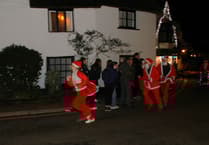 Porlock hosts music and entertainment and dashing Santas as festive season continues
 Food hygiene ratings handed to 14 Somerset establishments
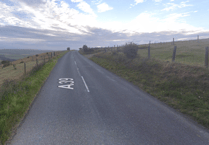 Emergency services on scene of Exmoor crash with Stork Bram winds making A39 'unsafe'
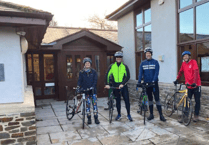 Community support as heads cycle to all eight Moorland Federation schools in a day
I suggest that the next time you walk in the hills, you actually look at the bracken. I have never seen flies on it.
In fact the St Mark's flies, the ones with dangly legs, are always seen over the heather and don't bother people anyway.
As regards ordinary flies, I have always used a sprig of bracken behind my ears (and in my horse's headband when I used to ride) in order to keep flies away. It works a treat!
Also, contrary to popular opinion, young ticks sit on the ends of grass stems waiting for their next host, and are seldom seen on bracken.
The many times when I have picked up ticks, they have occurred after I sat in long grass in areas where sheep and deer graze. I now use a certain proprietory bath and body oil and rarely pick up a tick.
It is so important to observe what actually does happen in nature and not to assume that old wives' tales are correct.
Science means knowledge of the actual facts.
Dr Lesley Evans,
Bossington Lane,