

‘INTELLIGENT’ temporary traffic lights in use while Somerset Council takes four months to replace the A39 Dunster Steep signals were being operated by humans from this week.
The decision to put real people in charge came after nearly 10 days of chaos with queues of vehicles reaching six miles at peak times and a tsunami of complaints from angry motorists.
The council said the Dunster Steep lights were now more than 30 years old and needed to be replaced before they failed and caused even more chaos on West Somerset’s only main road.
A spokesperson said: “We are sorry for the disruption and inconvenience caused during the last two weeks.
.jpeg?width=209&height=140&crop=209:145,smart&quality=75) Angry motorists ridicule council for blaming six-mile A39 queues on Storm Goretti
Angry motorists ridicule council for blaming six-mile A39 queues on Storm Goretti  Amicus Law launching new monthly business networking group for West Somerset
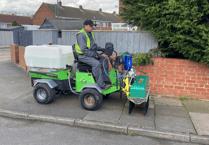 Minehead councillors approve 2026 programme to control weeds in streets and car parks
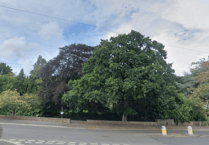 Town councillors agree £7,000 to make safe 'significant' trees in Minehead
“We have had a number of issues impacting on the traffic lights system which we have been working on to resolve as quickly as possible.
“It is always quite difficult at the early stages of a scheme like this to ensure disruption is minimised while traffic management adjusts to the traffic flows.
“We are introducing a comprehensive range of measures to try to keep queues at a manageable length going forward and the team are continuing to monitor the situation closely.”
From this week, the temporary lights were being manually controlled at peak times on Tuesdays, Wednesdays, and Thursdays, and for the whole day on Fridays with inbound Butlin’s traffic prioritised.
From 8 pm on Fridays the set up will be changed to allow two-way A39 traffic, although the signals will still control Dunster Steep access and egress.
The two-way A39 traffic will then continue over the weekend.
Starting next week, two-way traffic will be allowed on the A39 on a Monday and Friday, to include Butlin’s prioritisation, and maintained where possible on Tuesdays, Wednesdays, and Thursdays.
When reduced to a one-way shuttle, the lights will continue to be manually controlled at peak times.
Comments
We've recently changed our login process. If you have an account for commenting, you will need to re-register on the login window.
This article has no comments yet. Be the first to leave a comment.