
AN early 14th century chantry in Kilve and the former Williton Workhouse are both on the Buildings at Risk list produced by English Heritage.
These, along with other fine examples of civic and public buildings in the South West, are at risk of being lost forever, warned English Heritage chairman Sir Neil Cossons.
"England's historic civic and public buildings stand as prominent features in cities and towns throughout the country," said Sir Neil.
"They are familiar to us all as defining characteristics of the places in which we live.

"Yet many of these buildings are today standing empty and semi-derelict, their architectural quality struggling to assert itself through peeling paint and crumbling masonry."
But, he added: "This is not a finger-pointing exercise."
Sir Neil called on all public owners to give priority to monitoring the condition of their buildings and to see them as a valuable resource rather than a burden.
And he said English Heritage was always willing to advise on sensitive conversion to meet modern needs and new uses.
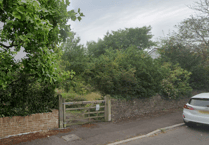
The chantry in Sea Lane, Kilve, was built in the early 14th century as a collegiate dwelling for priests. Some additions were made later in the medieval period, but in the mid 19th century it was gutted by fire.
It is a new entry whereas Williton Workhouse, a grade two listed building, has been on the English Heritage at risk register in the past.
The Victorian structure, building by George Gilbert Scott and William Moffat in 1838-40, is described as in "very bad" condition: "Empty for at least ten years, the building is now vandalised and open to all weathers and access."