
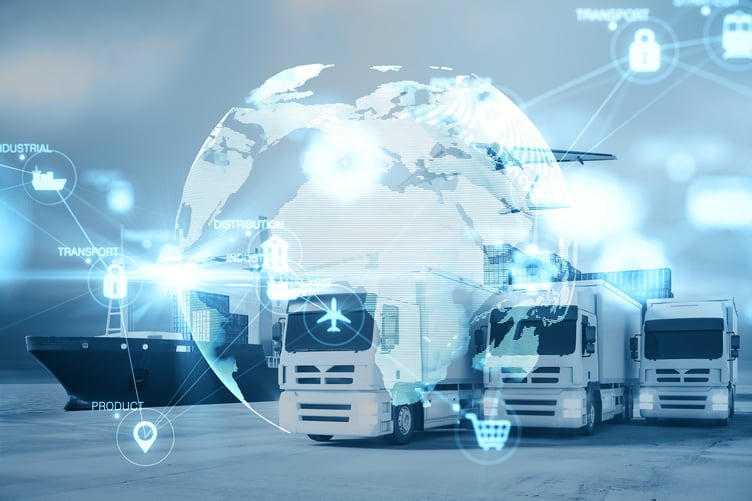
Running an operation today, whether that’s managing a couple of vans, or a sizeable and growing fleet, is about managing everything from efficiency and cost, to customer service levels.
Increasingly in the UK, for businesses operating in key sectors such as logistics, trades and service delivery, operational visibility itself is now a key part of the service delivery requirement.
Why Small Inefficiencies Cost Big
On the surface, running a well-run fleet means doing more than just point A to point B. It means driving more efficient routes, reducing fuel waste, and making sure your drivers are being safe and efficient. With the numbers when it comes to fuel prices and margins, anything, no matter how small, can add up quickly. Businesses that use a data-driven approach, such as a van tracker, are simply in a better place to be a step ahead.
.jpeg?width=209&height=140&crop=209:145,smart&quality=75)



Overcoming the Visibility Gap
One of the major hurdles for fleet managers is not having enough visibility in real time. Without data, you can’t know where your vehicles are, how they’re being driven or whether your drivers are taking the most efficient routes. This can lead to late deliveries, higher costs and unhappy customers. Meanwhile, ahead-of-the-curve companies can use the technology that will help them make quicker, more data-driven decisions.
The Role of Telematics in Fleet Performance
This is where telematics comes in. Using modern technology like GPS locating, a range of onboard sensors and software platforms all working together means you can still see your fleet in real-time.
A van tracker is a great way to see the location of your vehicles, monitor driver behaviour and workers’ movements, and optimise routes live in the moment. This kind of detail allows you to form the bigger picture made up of smaller insights. Such data includes the speed of the vehicle, the way in which it is being driven, how much fuel is being used, and even how often the vehicle has been active. All of this is crucial for finding out what’s not being done properly, why, and how you can improve.
Building a Smarter, More Resilient Fleet
Of course, technology isn’t the answer on its own. The companies that are really winning here are the ones that are integrating all this with their own policies and driver training and regularly reviewing what the performance data is telling them. Used well, information becomes an incredibly valuable tool that drives better decision-making at every level of the business.
The simple truth is that you need to invest in this, not because you want to, but because you have to. The companies that are staying on the road are those that are prepared to evolve. Whether you are an owner-driver or looking after a bigger fleet, there’s no future in ignoring the call. Smarter processes and systems aren’t the icing on the cake anymore; they are a core business strategy to secure maximum safety, efficiency and growth over the long haul.
Comments
This article has no comments yet. Be the first to leave a comment.