
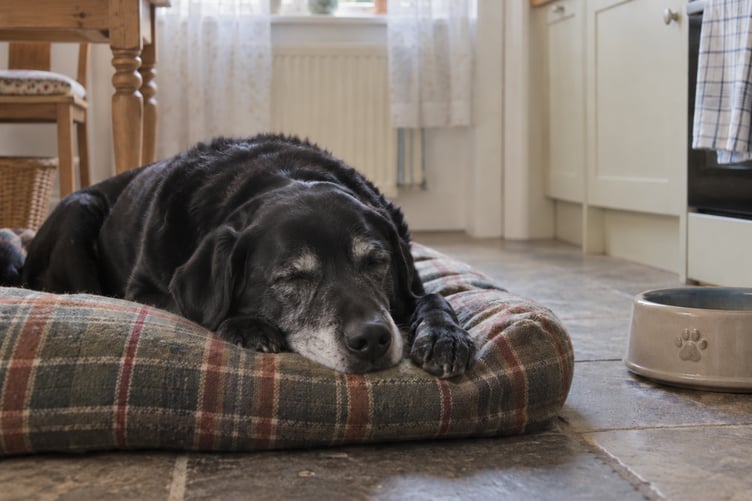
Nobody sends a letter to say your pet is now a senior. Walks get shorter, naps get longer, and one day the vet mentions a blood test to check the kidneys.
That stage often comes sooner than owners expect. A study using the Royal Veterinary College's VetCompass records put the life expectancy of UK dogs at 11.2 years from birth. For cats, a 2024 study put it at 11.7 years. Many pets live well beyond that, and the dog study found wide differences between breeds, but an eight-year-old dog or a ten-year-old cat is often into the second half of life.
When a pet counts as older
There's no single answer. Vets look at breed and size as well as age, and insurers set their own age bands, which may be one reason quotes for the same pet differ so much.
What matters more is what age does to cover. Premiums usually rise as pets get older, because older animals are likelier to need treatment. And the policy you bought for a young pet may look different once your pet has a few entries on its vet record.
Bramble at eleven
Bramble is an eleven-year-old collie cross. She has been on a lifetime policy since she was a puppy, which keeps covering an ongoing condition for as long as the policy renews. Last year she was diagnosed with an underactive thyroid, which means daily tablets and regular blood tests. This year's renewal has gone up by more than her owner expected.
Her owner's first thought is to look for something cheaper. The catch is the thyroid. A new insurer would see it on her record and would very likely exclude it, so an ongoing condition she'll need treatment for would be left out.
Your options at renewal
If you're already insured, the unbroken run of cover is usually the thing most worth protecting, especially once your pet has an ongoing condition. A break, even a short one, can mean starting again with that condition excluded.




That doesn't mean paying whatever the renewal says. Ring the insurer, ask why the price has gone up, and ask what your options are with them. They might include:
- a higher excess, which lowers the premium but is paid again when you claim
- a co-payment, a share of each bill you pay yourself, in return for a lower price
- a lower level of cover or a lower limit with the same insurer
Each of these trades a lower price now for more to pay when you claim. Before agreeing to any of them, ask in writing whether the change affects cover for conditions your pet is already being treated for.
Keep a note of what you claimed each year and what was paid. If the insurer ever questions whether a new problem is linked to an old one, your own record of dates and diagnoses helps you answer.
Starting cover later in life
If your pet has never been insured, you can still look for cover, but the questions change.
Ask whether the insurer takes on new policies at your pet's age, then how it treats past problems. Many insurers look at symptoms as well as diagnoses, so a limp or a bout of sickness noted years ago could be relevant. If your pet's notes include something vague, such as "stiff" or "sore ear", ask how the insurer would treat it. Answer the health questions fully and accurately, and get anything you're unsure about confirmed in writing.
Look closely at the type of cover. A new illness in an older pet is often the kind that needs treatment for the rest of its life, and a policy that stops paying for a condition after a year, or after a fixed sum, may run out while that treatment is still going on.
Weighing it up
Cover for new problems can still make sense. Arthritis, heart disease and kidney disease all become more common with age, and they can mean years of checks and medicine. A pet that reaches its senior years in good health may also have a fairly short vet record, which leaves more for a new policy to cover.
Set the premium against what you could put aside each month instead. If you go ahead, judge cover for an older pet by its limit and by how it handles long-term conditions, and check the renewal terms as closely as the first year's price.
Bramble's owner stayed put, raised the excess a little, and got written confirmation that her thyroid cover was unchanged.
Comments
We've recently changed our login process. If you have an account for commenting, you will need to re-register on the login window.
This article has no comments yet. Be the first to leave a comment.