

Wessex Water says it is well prepared to keep customers in supply, with measures already in place and further actions ready to be taken if dry weather conditions continue.
Despite some recent spells of rain and the ongoing hosepipe ban, Wimbleball reservoir – which Wessex Water jointly uses alongside neighbouring South West Water – is at a critically low capacity of just below 15%.
Storage at other Wessex Water reservoirs in Somerset currently stands at an average of 24% – a record low for the time of year.
Wessex Water introduced its first hosepipe ban for 50 years in August following prolonged and extreme dry and hot weather, helping to manage demand as customers responded to the restrictions.
Since then, Wessex Water has put further measures in place to protect supplies through the autumn and winter, including moving water from more resilient sources and significantly increasing leak repairs.
With lower-than-average rainfall in September and the first half of October, the hosepipe ban will remain in place for the foreseeable future, protecting water resources and the environment.
Will Willoughby, Wessex Water’s Director or Water Supply, said: “We’ve seen one of the driest spells ever recorded in our region, with only 61% of expected rainfall in the last six months and just 63% of the long-term monthly average in September.
“The grass may have turned green again, but there hasn’t been enough rain to soak deep into the ground or replenish reservoirs.
“We have prepared carefully for these conditions and have measures in place to protect supplies. We are closely monitoring reservoir levels and the weather so we can take further action quickly if needed.
“The steps we have already taken, together with the support of our customers, are helping us protect supplies. We’re grateful to everyone who is continuing to use water carefully. This collective effort is making a real difference.”



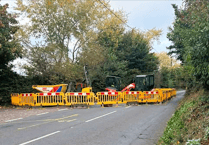
Fixing leaks and moving water around
Wessex Water says it has already taken a range of steps to conserve water in Wimbleball Reservoir, maintain supplies for homes and businesses and minimise the impact on river levels.
Water is being moved through the company’s £230m water supply grid from more resilient parts of the region into the severe drought area, while water pressure has been carefully adjusted in some communities without affecting supplies.
Leakage teams have stepped up activity, increasing the number of leaks fixed by a third since July, while experts continue to work with businesses that use a lot of water to identify further savings.
Mr Willoughby added: “We have been working closely with Defra, the Environment Agency, Local Resilience Forums and South West Water, and have agreed the steps we can take to conserve water in Wimbleball and maintain reliable supplies to customers. We will continue to take further action as conditions require.”
So when will the hosepipe ban be lifted? Much depends on how much rainfall arrives in the coming weeks and months, with plenty needed to make up for the lengthy spells of unprecedented dry weather we saw this summer.
Comments
We've recently changed our login process. If you have an account for commenting, you will need to re-register on the login window.
This article has no comments yet. Be the first to leave a comment.