
POLICE will be focusing additional resources in West Somerset in the coming weeks in preparation for an influx of animal rights activists opposed to the Government's badger cull.
Licensed marksmen will be able to shoot free running badgers on farmland in the district from tomorrow (Saturday) for the next six weeks.
The process will then be repeated annually for the next four years.
The Government and the NFU argue the cull is necessary to try and prevent the spread of bovine tuberculosis (TB), which they believe is transmitted between badgers and cattle.


Opponents to the cull, including the Badger Trust and the RSPCA have branded the pilots as "barbaric" and blame cattle to cattle transfer of TB for the spread of the disease.
It is estimated more than 2,000 badgers could be shot as the marksmen are permitted to shoot up to 70 per cent of local badger populations.
The cull has sparked strong responses from those in favour of it and equally vociferous comments from those who are opposed to the action.
Numerous websites and social networking pages have been set up by people planning to hold demonstrations in the cull zones in both West Somerset and Gloucester.
While most call for peaceful protests, others condone more direct action and some activists are hoping to disrupt the killing by occupying farm buildings and camping on farmland.
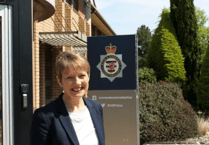
Avon and Somerset Constabulary's assistant chief constable John Long said the police were well prepared to deal with "criminality or public disorder" associated with the cull.
"Public safety is our primary concern," he said.
"We can't go into the details of our plans for obvious operational reasons but residents in Somerset can be reassured that we are ready to respond should we need to in order to keep them safe and feeling safe.
"It is possible that the cull will attract protests and we respect people's right to protest against the action.
"We will facilitate safe, peaceful and lawful protests, as we have done with other protests, and would appeal for anyone intending to hold a demonstration to contact and work with us."
Environment Secretary Owen Paterson said the cull remained at the forefront of Government plans to eradicate TB, which was spreading at an alarming rate.
He said: "These pilot culls are just one part of our approach to control and eradicate this dreadful disease.
"We will use everything at our disposal to get to grips with TB, including new tougher controls on moving cattle, increased herd testing and working to get effective vaccines ready as soon as possible."
He said tackling the spread of bovine TB had cost £500 million in the past ten years and that figure could rise to £1 billion if action was not taken.
The cull was initially due to take place last year but was postponed following a number of unsuccessful legal challenges against it.
National animal welfare charity the RSPCA said they were "deeply disappointed" the "barbaric cull" was still going ahead and maintained there was no "real proof" it would help either cows or badgers.
The charity said: "After last year's postponement we had hoped that the Government would finally see sense and pay attention to the vast amount of scientific research showing that a cull will be ineffective, wasteful and potentially damaging to the welfare of both farm and wild animals.
"The vaccination of both badgers and cattle along with more effective biosecurity is the only approach which addresses the welfare of both cattle and badgers and the long term livelihood of farmers."
Comments
This article has no comments yet. Be the first to leave a comment.