

STRICTER new legislation designed to clamp down on antisocial behaviour by drinkers in public places in Williton, Watchet and Minehead was approved by West Somerset Council at its annual meeting.
Councillors were told that new Public Space Protection Orders would give police and council officers increased powers to deal with antisocial behaviour, including confiscating alcohol and issuing fixed penalty notices to offenders.
The orders, which will come into force on June 1, cover the entire built-up areas of Williton, Watchet and Minehead, and all open spaces.
Community and customer lead member Cllr Dave Westcott said the new legislation replaced the existing Designated Public Place Orders and was designed to stop individuals or groups committing antisocial behaviour.
 Minehead Bay Festival organisers looking for sponsorship & funds to secure its future
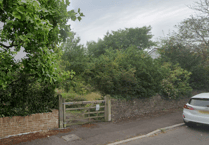 Former Minehead donkey paddock to have five-bedroom houses built in gated community
 Police continue information appeal despite hate crime arrest in Minehead
 Business use flexibility sought as Minehead self-serve launderette owner retires
He said: “The real importance of the recommendation is that it gives police and council officers the power to confiscate alcohol if they think that is appropriate.”
Officers would also have the authority to deal with antisocial behaviour which went beyond the consumption of alcohol in a public place.
Cllr Westcott said front-line staff had been trained for “possible risks of violent extremism”. There was also a slight risk of orders being legally challenged and fixed penalty notices could be subject to appeal.
Cllr Martin Dewdney said that antisocial behaviour in the district was a problem, and asked how many fixed penalty notices had been issued under the present system.
Community and client services manager Scott Weetch said that very few, if any, notices had been issued. He understood that what usually happened was that “if police saw antisocial behaviour they seized the alcohol and threw it away”.
Cllr Dewdney replied: “There are places in West Somerset where there is persistent drinking, and just pouring alcohol away doesn’t solve the problem.”
Cllr Ian Aldridge said the biggest problem was enforcing the policy due to police numbers being cut in the area.
Cllr Richard Lillis said he thought the police often used their discretion rather than issuing fixed penalty notices “but were very vigilant about what they did”.
Cllr Chris Morgan questioned the benefits of CCTV in public areas which he thought had “little effect”.
He wondered what the CCTV costs were, and whether it was preferable to have a police presence on the streets rather than “having people just sitting there watching offences taking place on CCTV”.
In reply, Cllr Lillis, a volunteer CCTV monitor, said he took exception to Cllr Morgan’s remarks.
“Many people spend many hours monitoring CCTV and getting police to incidents – the police have said we are the ‘third set of eyes in the sky’.”
The proposal to introduce a Public Spaces Protection Order was passed unanimously.
Comments
This article has no comments yet. Be the first to leave a comment.