
AN alternative plan has been put forward after analysis of a recently-proposed £11 billion West Somerset Tidal Lagoon found a ‘fundamental and unavoidable issue’.
The Friends of Minehead Harbour (FMH) said the proposal backed by a consortium including London Eye architect Julia Barfield could not sustain its leisure‑led vision.
FMH said projected marina, ferry link, and visitor‑based facilities were not financially viable and would not deliver the claimed economic benefits.
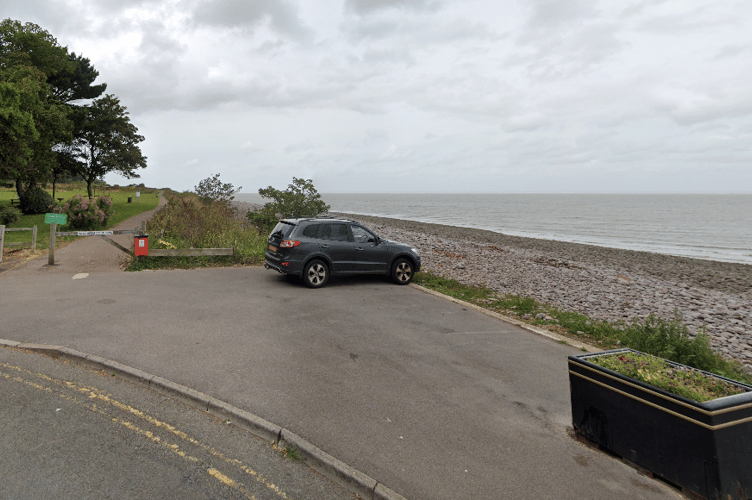
It said the physical constraints of Minehead’s Culvercliffe area made the proposed leisure development ‘impossible to deliver’.
.jpeg?width=209&height=140&crop=209:145,smart&quality=75) Minehead family's Christmas lights raise more than £12,000 for air ambulance
Minehead family's Christmas lights raise more than £12,000 for air ambulance Ribbon cutting for official opening of Minehead's Rainbow Way council housing estate
 Minehead Amateur Drama School children to present their first Regal show
  MP Rachel Gilmour welcomes Government's latest U-turn - this time on digital ID
The group said the available land footprint would at most accommodate a 450‑space car park, a bus terminal, and an access road junction.
Once those essential transport elements were accounted for, there was no land remaining on which to build the leisure complex itself.
A spokesperson said: “The site simply cannot host the facilities that have been promoted.
“More significantly, the evidence shows the lagoon’s core infrastructure, particularly the turbine array, sheltered basin, and the proposed promenade alignment, would naturally evolve into a green hydrogen generation and distribution port.
“The promenade and ferry‑link corridor, while unsuitable for passenger operations, would become a functional shipping dock for hydrogen collection and transport.
“This outcome is not a marginal risk.
“It is the most likely long‑term use of the site.
“Such an industrial hydrogen operation is wholly incompatible with Minehead’s identity as a seaside town.
“It would introduce heavy‑duty energy logistics, shipping movements, and industrial infrastructure into a coastline defined by tourism, recreation, and natural heritage.
“Instead of supporting local businesses and the visitor economy, the lagoon would anchor a gas distribution port on the edge of a community which relies on its coastal character.”
The spokesperson said there was a clear conclusion that the leisure‑based concept could not be delivered, and the industrial alternative to which it defaulted posed a direct threat to Minehead’s long‑term economic and environmental wellbeing.
They said stakeholders, residents, and decision‑makers should carefully consider the findings to ensure any future development aligned with the town’s character, economy, and coastal setting.
Copies of the alternative plan by FMH had been given to West Somerset MP Rachel Gilmour and lagoon project member Prof Chris Binnie, but no response was received.
FMH project leader Rod Scotney said moving the lagoon’s western landfall from Culvercliffe to Warren Point, near Minehead’s golf club and the eastern end to Watchet Harbour’s west wall still achieved its primary goals of green energy production and coastal defence while significantly reducing capital expenditure and protecting the historic identity of local communities.
Mr Scotney said removing the ‘vanity’ elements the project shifted it from a high-risk tourism gamble to a focused national energy asset.
It cut the tidal barrier from 14 to 12 miles, and reduced the turbine numbers from 125 to 100, saving hundreds of millions of pounds in specialist procurement and construction costs while still maintaining a 2.0 GW capacity.
Mr Scotney said: “The ‘Warren Point to Watchet’ proposal offers a more realistic, fiscally sound, and safer alternative.”
Comments
We've recently changed our login process. If you have an account for commenting, you will need to re-register on the login window.
This article has no comments yet. Be the first to leave a comment.