

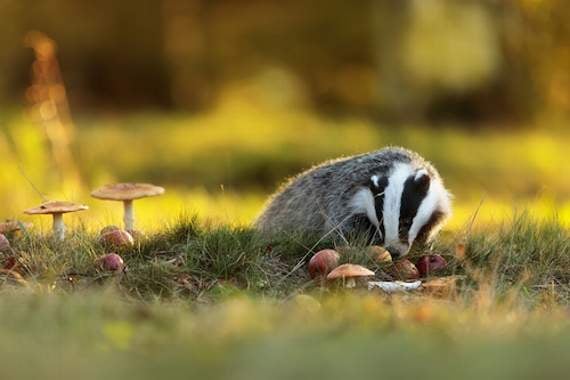
A WILDLIFE survey which usually takes place once a year, in spring, is being repeated this autumn and people in Somerset are being encouraged to take part.
It is the first time that the People’s Trust for Endangered Species (PTES) is running its Living with Mammals survey during autumn, from today (Monday August 31) until Sunday November 29.
The spring survey proved popular with record-breaking numbers of volunteers taking part, and PTES believes lockdown enabled many to discover a new love of wildlife.
People are asked to record the presence of mammals in their gardens or local green spaces online. They should be looking out for wild mammals or signs such as footprints or droppings in gardens, local parks or other green spaces.
.jpeg?width=209&height=140&crop=209:145,smart&quality=75)

Volunteers can record their sightings at www.ptes.org/LwM. Comparing the results with those from earlier surveys will enable conservationists to gain a better understanding of how wild mammal populations nationwide are changing.
David Wembridge, mammal surveys co-ordinator at PTES, said: “During the spring, over 1,100 people took part in our Living with Mammals survey and over 10,000 mammal records were submitted – the highest on record since the survey began 18 years ago.
“As we find a ‘new normal’, we don’t want to lose this momentum and we want to keep sight of the connection with nature lockdown afforded us.
“By taking part again this autumn, we can gain a unique insight into the lives of our wild neighbours, and for the first time, see which species are seen most – and least – between August and November.”
The spring 2020 results showed that the top five species most commonly recorded online in urban areas were hedgehogs, grey and red squirrels, foxes, bats and badgers.
David added: “The results don’t necessarily mean that mammal numbers are increasing, just that, with more people spotting wildlife, we can get a better picture of how well or otherwise different species are doing, and find out what we can all do to encourage the wildlife on our doorsteps.
“For many people, that connection to nature, during a difficult time, has been a very valuable and positive thing.”
To take part in the 2020 autumn survey, and to find out how to identify different mammals, visit www.ptes.org/LwM. And PTES would love to see mammal photos posted using #LivingWithMammals.
A badger, one of the mammals seen during PTES’ Living with Mammals survey.
Credit Michal Ninger, for Shutterstock [high res image available]
Comments
This article has no comments yet. Be the first to leave a comment.