

A PUBLIC event organised by Carhampton Climate Group and held two days after the publication of Somerset’s Local Nature Recovery Strategy (LNRS) has asked the question ‘What can we do?’.
It was a crucial question for everybody, as the strategy relies on local communities and individuals to take the necessary steps to prevent species decline, restore, and increase habitats, and create a more sustainable environment which benefits both people and nature.
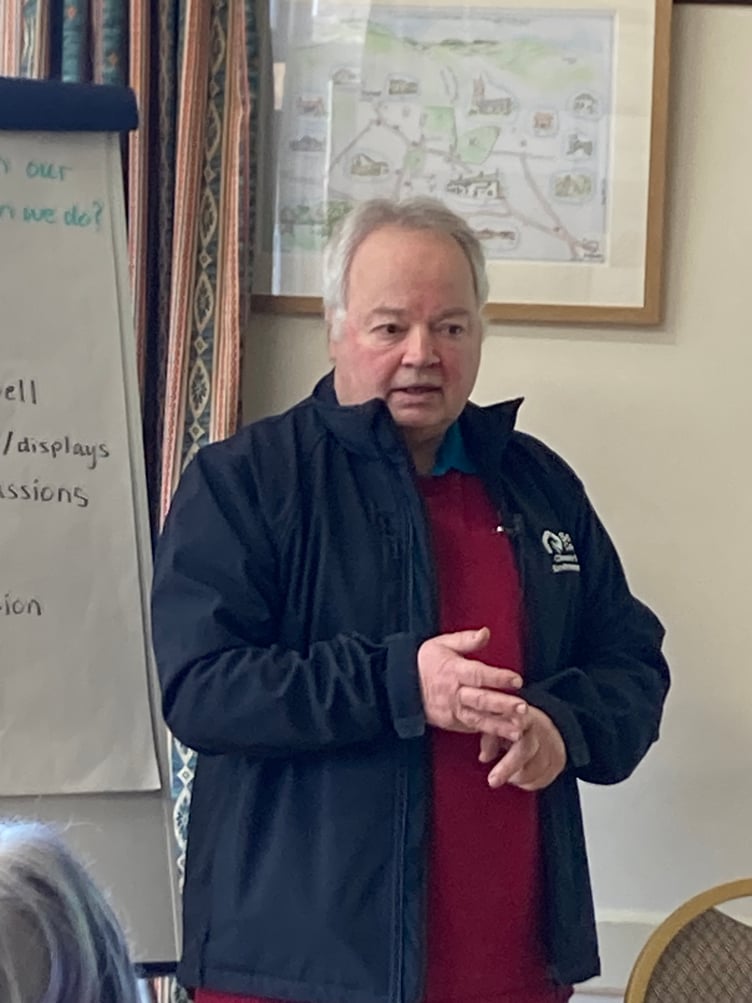
The event heard from three expert speakers, Stephen Dury, of Somerset Council’s LNRS team, ecologist Graham Boswell, and nature restoration adviser Paul Rutter.
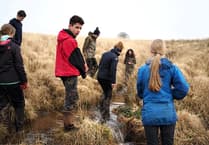

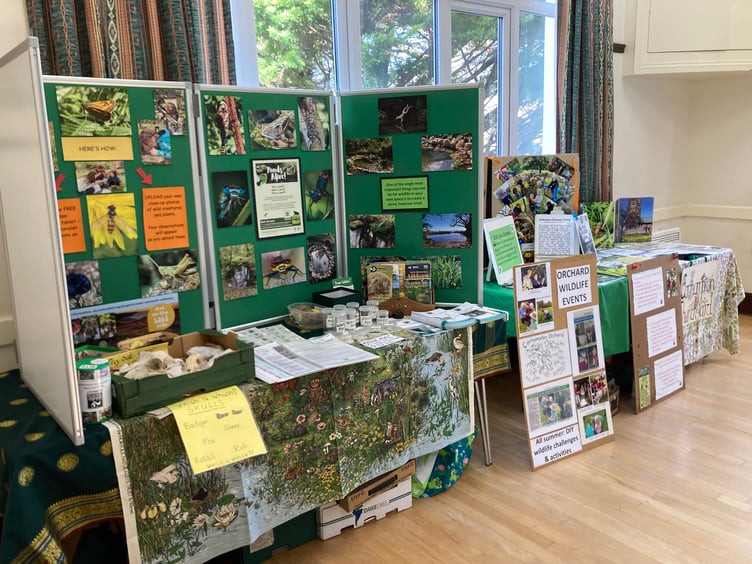
It had a dual focus of local action for nature recovery and local monitoring of species and habitats.
Carhampton Climate Group’s strapline ‘Small Actions - Big Impact’ was a theme which was integral to the occasion.
The group’s Elizabeth Atkinson said: “We are familiar with No Mow May, though to September where possible, and leaving seed heads and log and leaf piles to support wildlife in our own gardens.
“But, there is much more we can do at home, such as creating ponds and bog gardens, broadening hedgerows, avoiding pesticides, growing native pollinator-friendly plants, drilling holes in wood as bug hotels, standing dead logs upright (better for beetles), turning a fence into a ‘fedge’ with climbers as year-round habitat for invertebrates, and creating wildlife corridors between neighbouring gardens.
“As an incentive, Somerset Wildlife Trust gives awards for wildlife-friendly gardens, allotments, and churchyards.
“Within our local communities, we can plant trees and hedgerows, create community wildlife meadows, orchards, and ponds, and encourage each other to become just a little less tidy in our gardens.”
The event’s speakers emphasised there is a great deal that can be achieved in our all-important farmland, which forms 75 per cent of Somerset’s landscape, without reducing food production.
As an example, biodiversity can be increased at field margins by extending, connecting, and broadening hedges, allowing wildflowers to thrive in banks and verges, leaving woodpiles in field corners, and allowing unproductive areas to become species-rich habitats.
The increasing cost of pesticides and fertilisers, combined with diminishing yields from over-worked land, has meant farmers are finding it harder and harder to make ends meet.
However, the speakers pointed to examples, such as large farm estates in Norfolk, where a shift to regenerative farming has not only brought about massive benefits to nature, but has also proved more profitable than intensive farming.
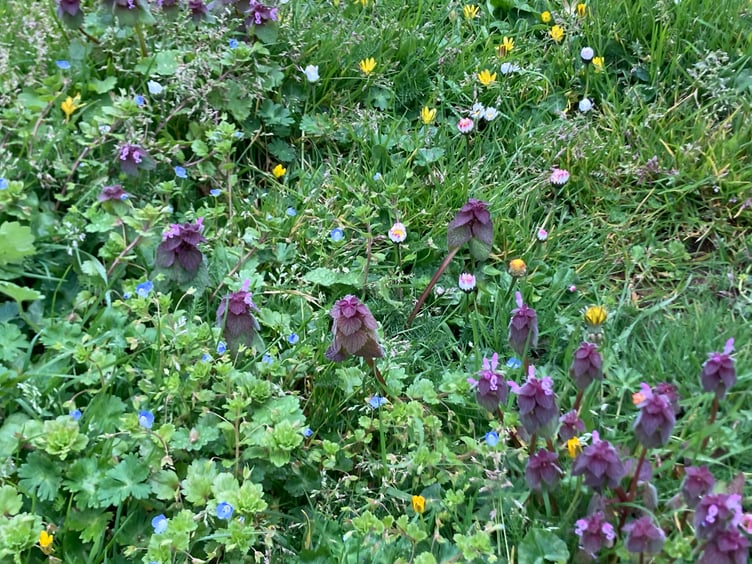
The speakers also emphasised that monitoring is crucial to establish a baseline from which to assess habitat improvement, and people can play a part by using apps such as iNaturalist to record wild creatures and plants, and UKHab and e-Surveyor to assess the nature and quality of local habitats.
However, monitoring alone is not enough and a key message both for large-scale land managers and small-scale garden owners, was that much can be achieved simply by leaving things alone.
The result can be a food-rich, species-rich landscape that is good both for people and for the planet.
Comments
We've recently changed our login process. If you have an account for commenting, you will need to re-register on the login window.
This article has no comments yet. Be the first to leave a comment.