
CLIMATE change, wildfires, floods, air and water pollution, and invasive foreign plants are among ongoing major challenges faced by Exmoor’s natural habitat, according to a new biodiversity report published by the national park authority (ENPA).
The report showcases five years of action to conserve, restore, and enhance the park’s wildlife and habitats and also reveals the pressures and problems facing Exmoor’s landscapes, species, and ecosystems.
ENPA has been working with farmers, landowners, partners, and volunteers to deliver a wide programme of work to strengthen Exmoor’s biodiversity.
This includes thousands of acres of moorland and woodland restoration and the allocation of £2.4 million in nature-friendly farming grants.


-Officer-Exmoor-National-Park-Authority-who-feature.jpeg?width=209&height=140&crop=209:145,smart&quality=75)

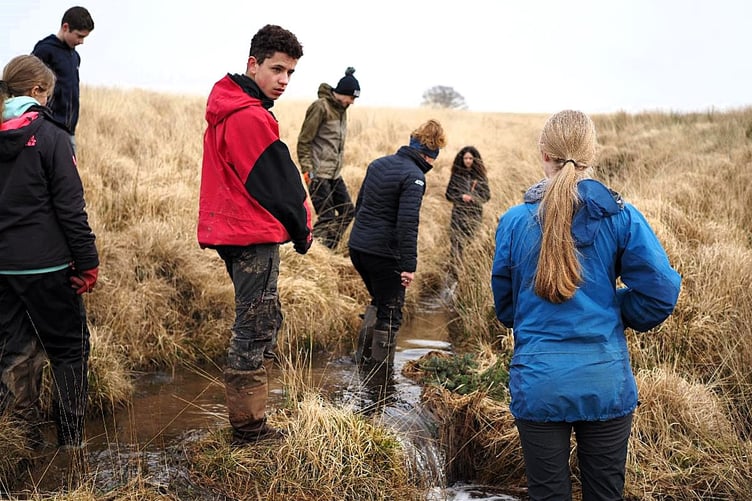
Continued peatland restoration is improving carbon storage, biodiversity, and natural flood management.

Species recovery has led to groundwork carried out to improve water vole and marsh fritillary butterfly habitat and the successful release of pine martens in 2025.
The report shows Exmoor also now has three major landscape recovery schemes in development, including ‘Reviving Exmoor’s Heartlands’.
This covers more than 27,000 acres and aims to restore moorland, blanket bog, species-rich grassland, and temperate rainforest habitats.
ENPA climate, nature, and communities head Clare Reid said: “This report demonstrates the huge breadth, ambition, and impact of nature recovery projects happening across Exmoor.
“We know there is still a lot to do and the environmental and the economic challenges we face are considerable, but the progress we have made gives real hope for the future.”
According to the report, this includes landscape-scale habitat restoration involving more than 11,000 acres of land which have been managed and restored with nature recovery as a central purpose.

Since 2021, more than £2.4 million has gone in grants to help farmers and landowners deliver environmental improvements.
This includes 6,500 acres of soil health projects, 8,284 new trees, three miles of new hedgerows, and 1,100 acres of biodiversity-rich habitat creation.
ENPA has also continued 25 years of peatland restoration, improving carbon storage, biodiversity, and natural flood management across key moorland sites.
Species recovery and reintroductions have included the release of 19 pine martens, while extensive groundwork has been completed to support future water vole reintroductions and volunteer-led mink monitoring.
Despite significant progress, ENPA’s report also identifies ongoing and emerging challenges for nature recovery on Exmoor.
It said: “Many habitats remain in unfavourable condition, large areas of Sites of Special Scientific Interest (SSSI) require restoration, particularly moorland, blanket bog, and upland grassland.
“Climate change impacts are also intensifying, including increased wildfires, drought impacts on peatlands and woodlands, more intense rainfall, and higher flood risk to communities and infrastructure.
“Nitrogen pollution from ammonia and other emissions continues to exceed critical thresholds on Exmoor’s most sensitive habitats and water quality concerns, especially linked to veterinary medicines and their impact on river invertebrates, require further investigation.
“Despite 20 years of control work, knotweed, American skunk cabbage, Himalayan balsam, and American signal crayfish continue to threaten habitats.
“Ongoing funding is essential to maintain progress.”
The full report can be read online.
Comments
We've recently changed our login process. If you have an account for commenting, you will need to re-register on the login window.
This article has no comments yet. Be the first to leave a comment.