
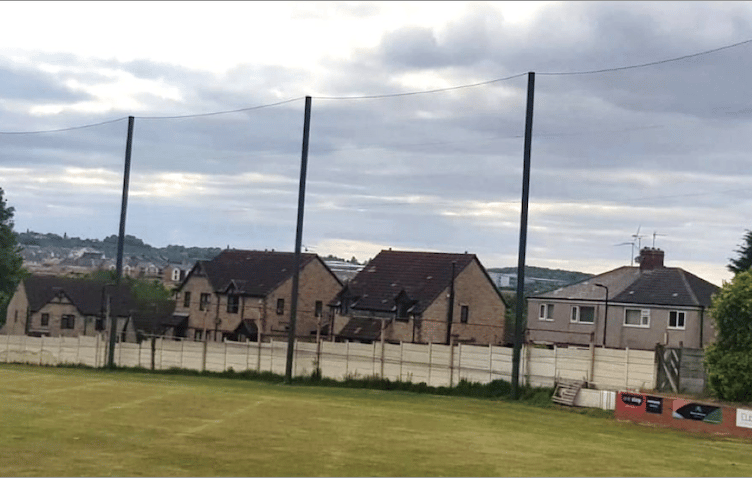
RESIDENTS living in new homes built in Minehead by Somerset Council next to the town’s cricket ground are in danger of being struck by… cricket balls.
The council apparently foresaw the risks for people moving into the Rainbow Way social housing estate, off Seaward Way, which is 144 feet from the cricket wicket at its nearest point.
For, it included a planning condition for 16 feet high ball stop netting to be installed on the boundary with back gardens of the 10 most at-risk houses.
Nobody was allowed to move into the houses until the netting was in place.




But, Minehead Cricket Club batsmen have proven to be better hitters of the ball than anticipated and the net has not stopped dozens of cricket balls landing in gardens.
Now, Homes in Somerset, which manages the housing, has applied for planning permission to put up new ball stop netting which is 328 feet long and 50 feet tall for three-quarters of its length.
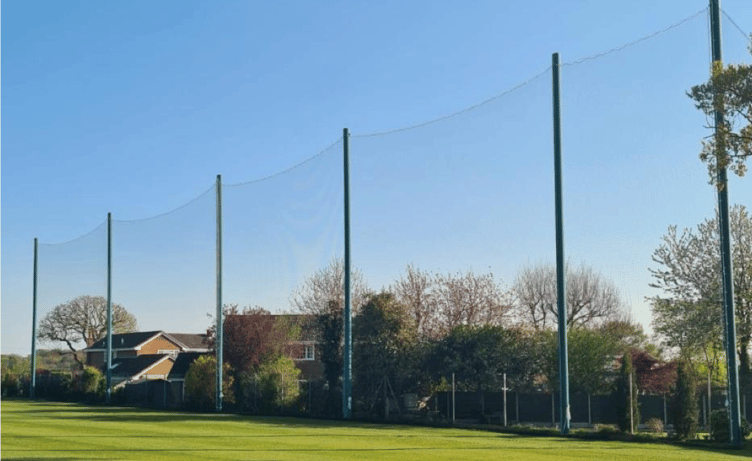
The demountable netting would be used when matches were being played and put up using a pulley system which also needs permission for foundations and support posts every 47.5 feet along the boundary.
Planning agent Dylan Green, of Asbri Planning Ltd, Cardiff, said although high mesh fencing had been erected on the cricket field perimeter it had not stopped all of the balls ending up in people’s back gardens.
Mr Green said more than 30 balls had clearing the fencing in each of the past two cricket seasons. He said: “Thankfully, there was only one case where damage was caused to housing during the 2024 season.
“The 2025 season saw a very similar number of balls clearing the fencing, but there were three cases where damage was caused to property.
“Additionally, the cricket club have received feedback from residents who advised they are uncomfortable using their gardens when cricket is being played, and also worried about smashed glass causing injury to them while inside their homes.
“It is worth mentioning that mitigating factors and precautions are being taken where possible.
“For example, balls are not hit in the direction of the houses during training sessions, ensuring the only exposure for risk occurs during competitive matches.”
Mr Green said the principle of the development had already been accepted by the original planning permission for Rainbow Way including the condition requiring ball stop netting.
So, all that needed to be agreed was the design and specification of the netting system now proposed.
Mr Green said Homes in Somerset had been in regular correspondence on the issue with the cricket club, which had agreed to the solution being proposed.
He said: “The proposed new ball stop netting, steel posts, and associated works is a necessary change to the original permission and it is considered the proposed netting is the preferred and optimal solution for all parties.
“On this basis, it is considered the principle of development is acceptable and it would improve an existing sport facility in accordance with policy and would allow the continued use of the sports pitch.”
Comments
We've recently changed our login process. If you have an account for commenting, you will need to re-register on the login window.
This article has no comments yet. Be the first to leave a comment.