
NEW trail camera footage from the National Trust’s Holnicote Estate on Exmoor has revealed how two of the beavers released into the wild earlier this year appear to have formed a pair.
The pair are part of the second wild release of beavers on National Trust land, only the third in England, since a policy change in the spring of last year.
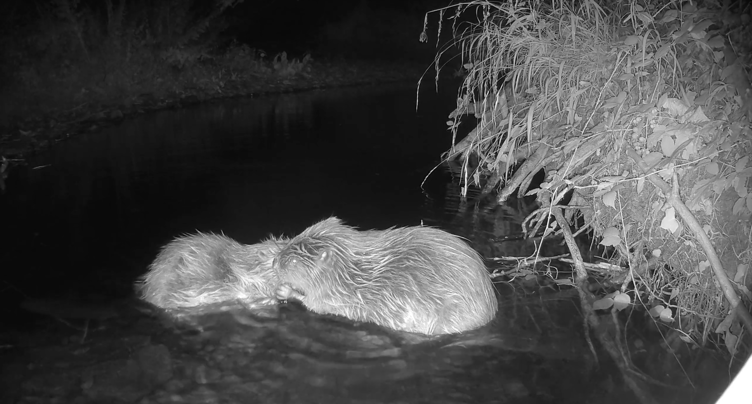
Two beavers released on the Holnicote estate on Exmoor groom each other in footage captured by a trail camera. PHOTO: National Trust.
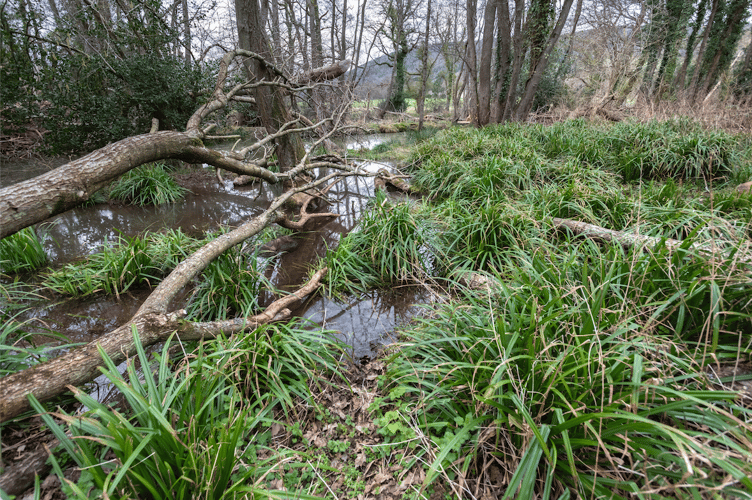
A beaver-created wetland on Exmoor's Holnicote estate. PHOTO: National Trust Images/Paul Harris.
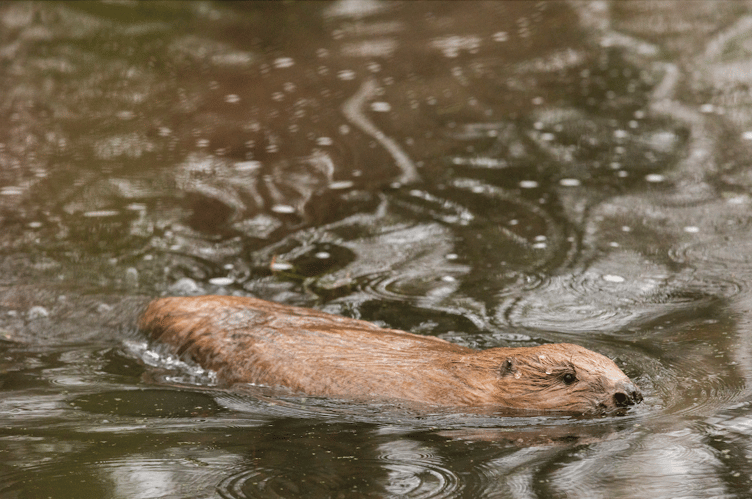
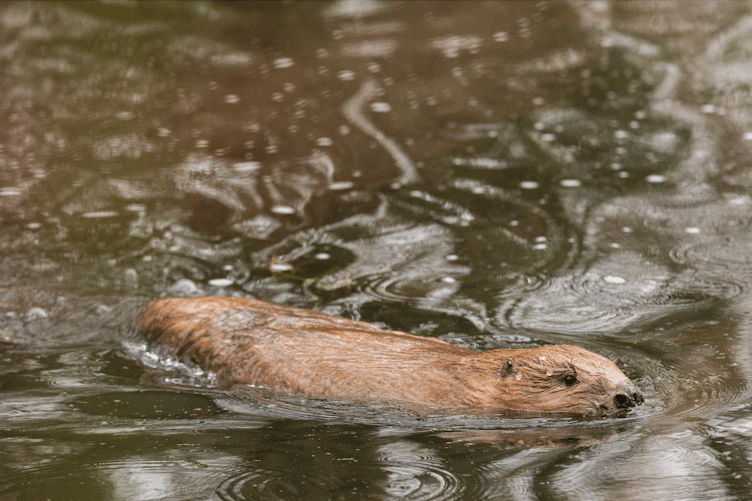
A beaver explores its new territory on Exmoor. PHOTO: National Trust/James Beck.
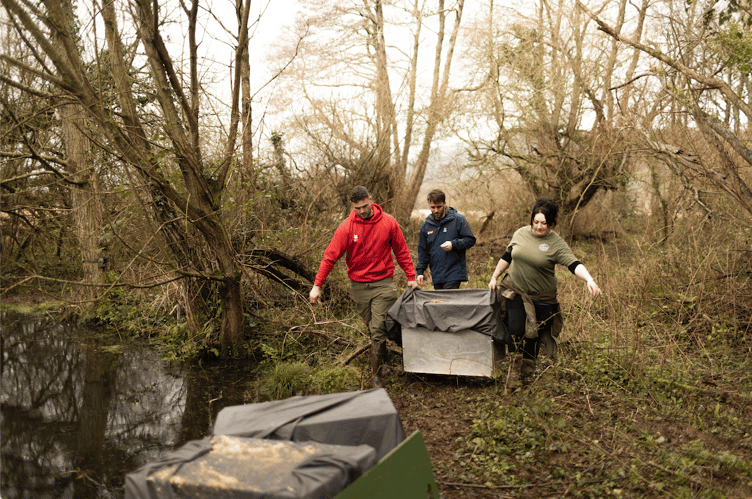
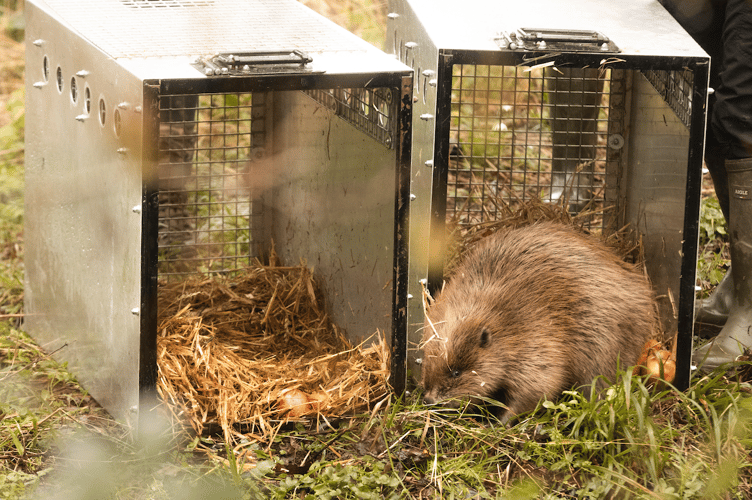
Wild beavers are carried to the release site on the Holnicote Estate, Exmoor, earlier this year. PHOTO: National Trust/James Beck.
A beaver ready for release on Exmoor's Holnicote Estate. PHOTO: National Trust/James Beck.
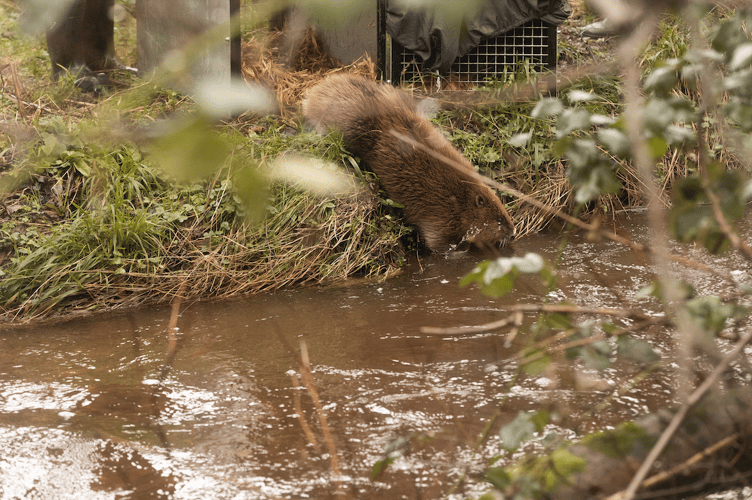
A newly released beaver enters the water earlier this year on Exmoor's Holnicote estate. PHOTO: National Trust/James Beck.
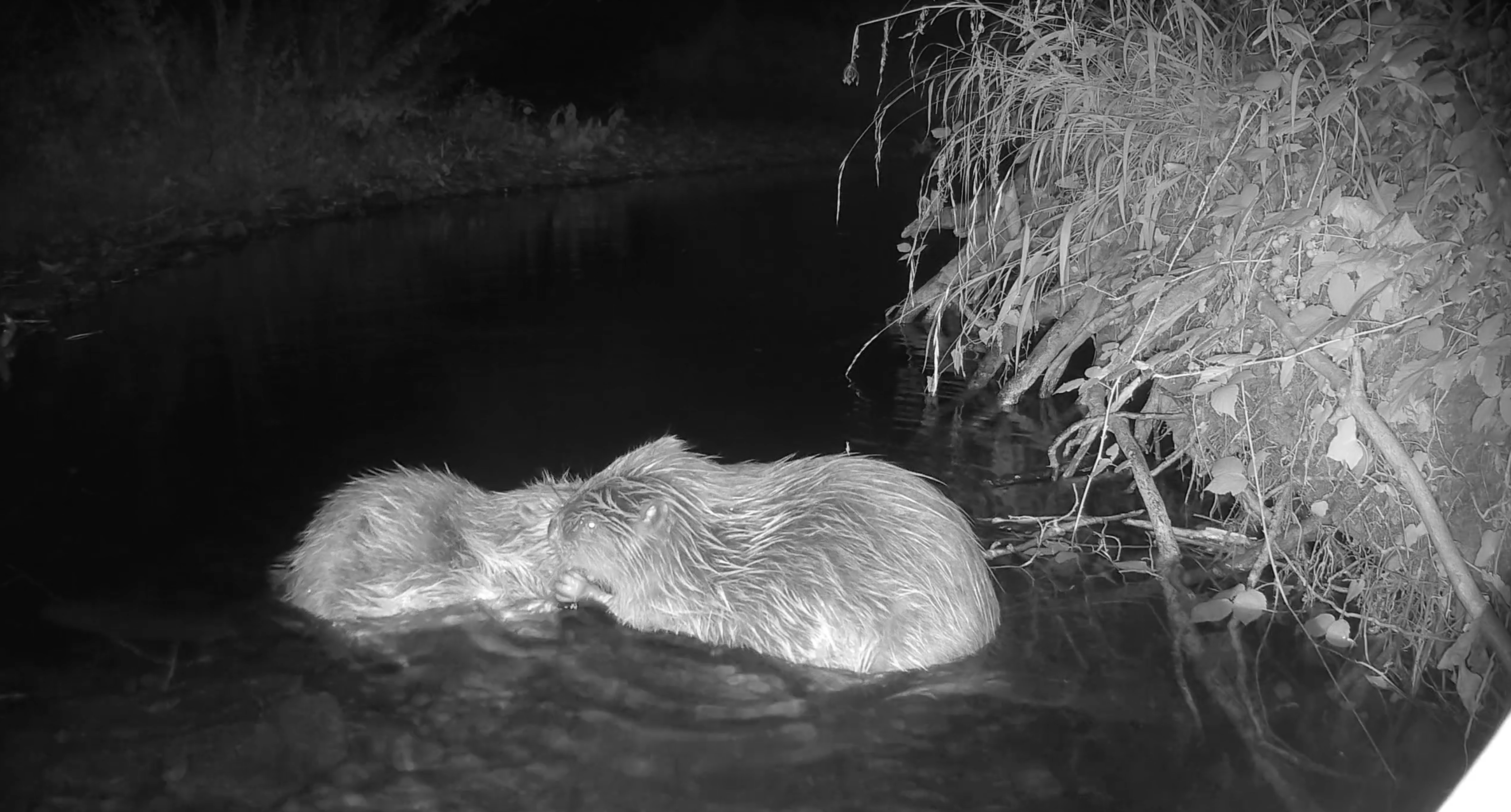
Two beavers released on the Holnicote estate on Exmoor groom each other in footage captured by a trail camera. PHOTO: National Trust. National Trust
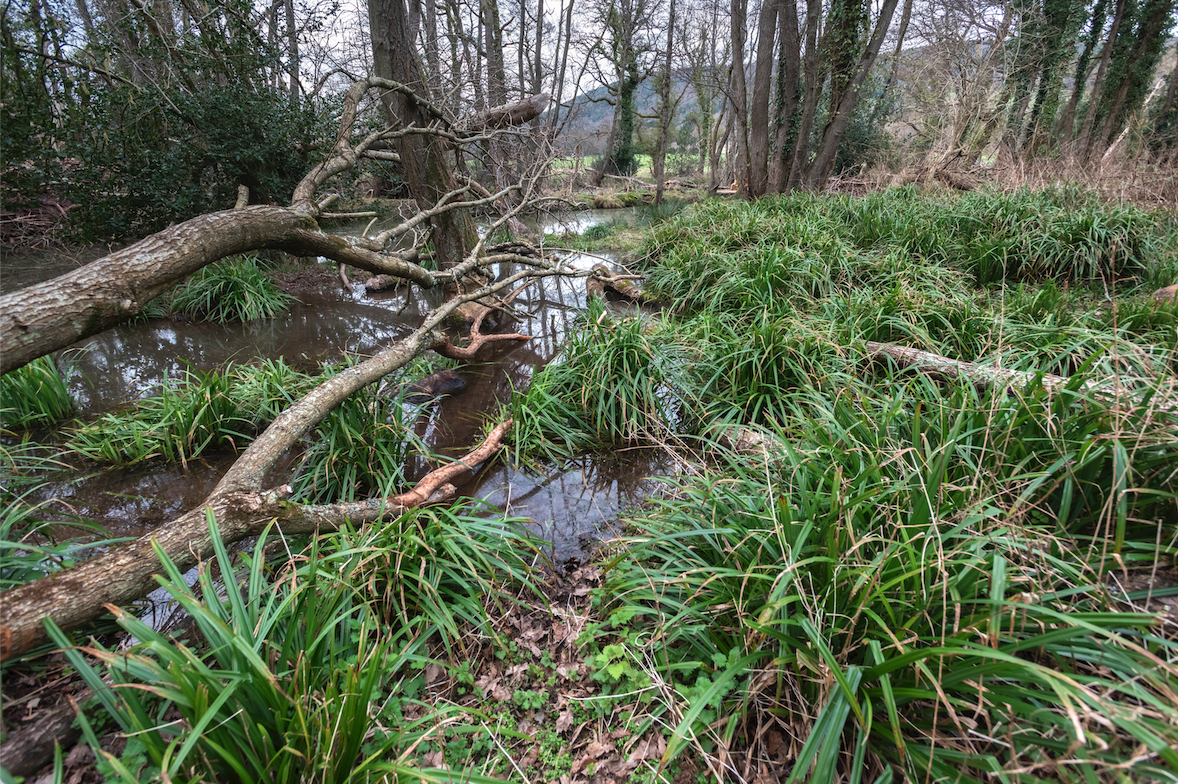
A beaver-created wetland on Exmoor's Holnicote estate. PHOTO: National Trust Images/Paul Harris. National Trust Images/Paul Harris
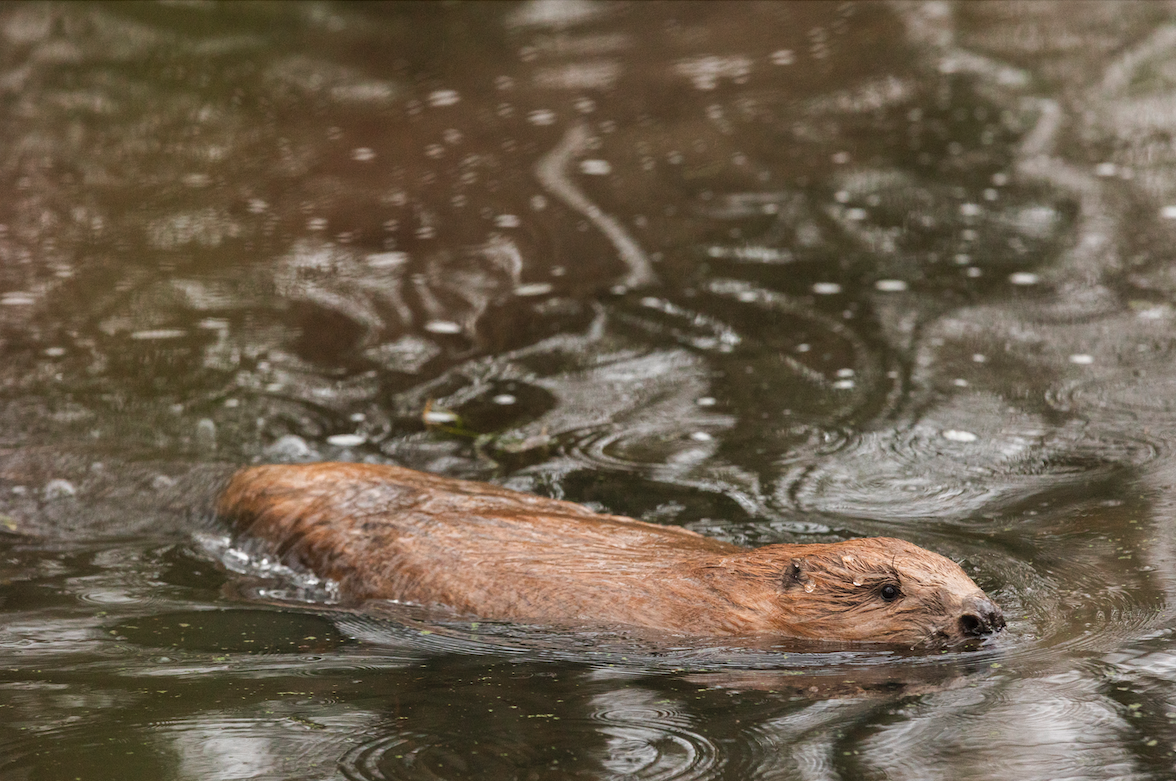
A beaver explores its new territory on Exmoor. PHOTO: National Trust/James Beck. National Trust/James Beck
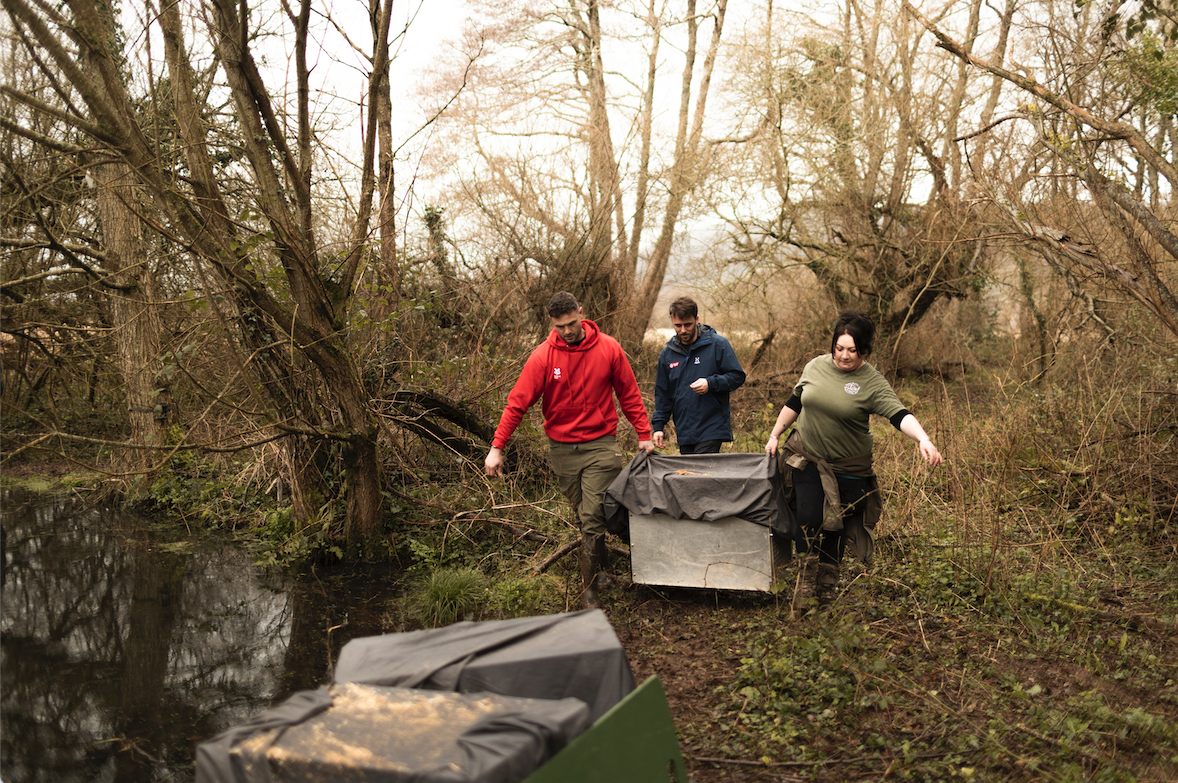
Wild beavers are carried to the release site on the Holnicote Estate, Exmoor, earlier this year. PHOTO: National Trust/James Beck. National Trust/James Beck
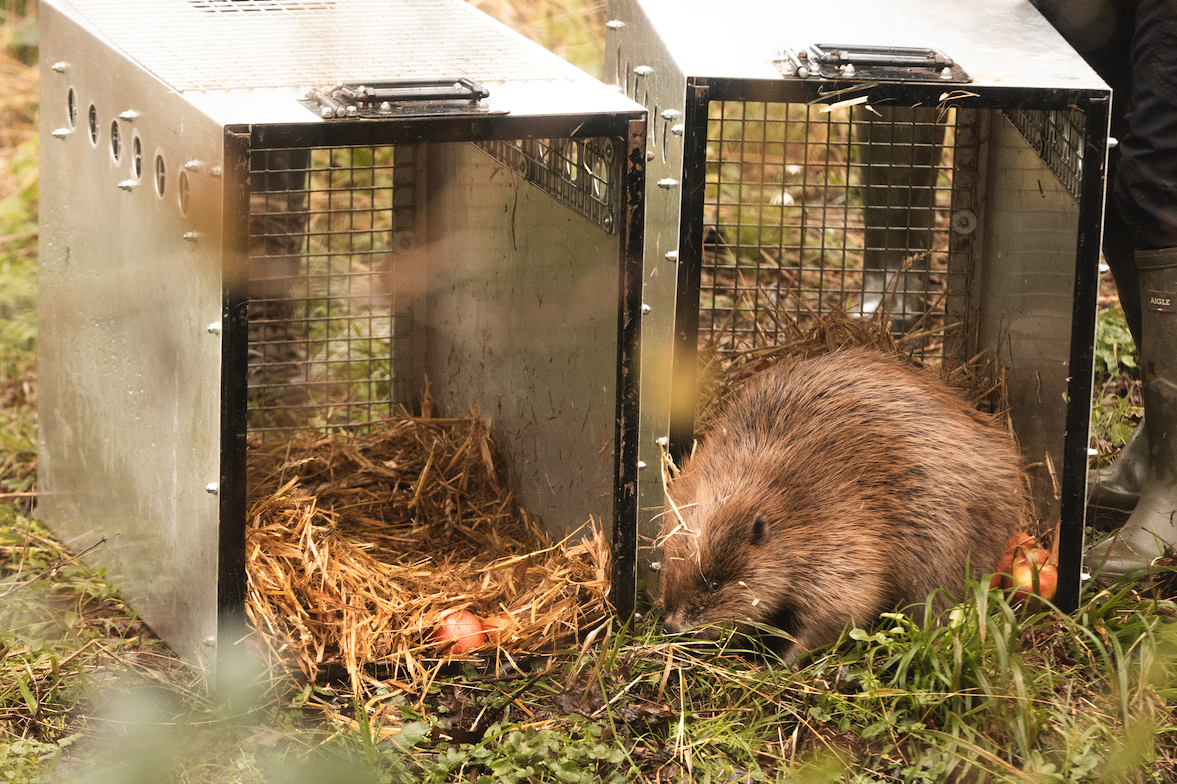
A beaver ready for release on Exmoor's Holnicote Estate. PHOTO: National Trust/James Beck. National Trust/James Beck
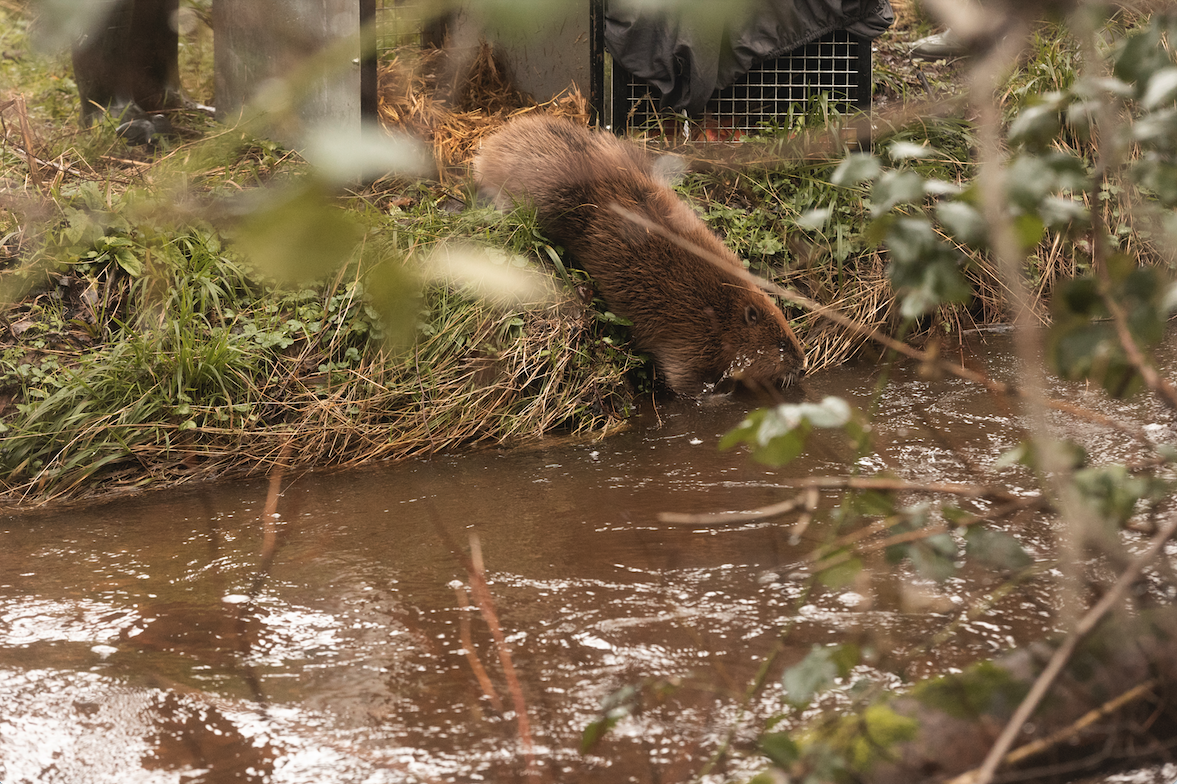
A newly released beaver enters the water earlier this year on Exmoor's Holnicote estate. PHOTO: National Trust/James Beck. National Trust/James Beck
The footage shows the two animals grooming each other and spending time close together, providing encouraging indications they are settling into the landscape and establishing the social bonds which could form the basis of a future family group.
Several beavers were released across the estate in February and March under licence from Natural England and with help from Beaver Trust.
The release included beavers from distinct genetic groups, introduced with the aim of establishing a healthy and diverse wild population.
National Trust ranger Mathieu Burtschell said: “Seeing these two beavers together on the trail camera is really exciting.
“When the animals were released, we hoped they would explore the landscape, establish territories, and begin forming the relationships that are so important to a healthy beaver population.
 Housing association starts eviction proceedings as Exmoor pensioner dispute continues
 National Trust offering variety of Dunster Castle tours with secrets and scares
 Favourite Exmoor themes feature in artist's new exhibition in Dulverton
 Minehead Bay Festival celebrates five years with day-long free entertainment
“The fact they have paired up is a good indication that they have found the right conditions at Holnicote, with enough suitable habitat, food, and space to establish a territory together.
“They are largely active at night, so trail cameras give us a valuable window into what they are doing when we are not there.
“If the pair remain together, they could eventually establish their own family group and help strengthen the beaver population across the estate.”
Beavers usually live in small family groups centred around an adult pair who then typically mate for life.
Once established in a territory, their dams, canals, and wetlands can create new habitats for wildlife while helping water remain in the landscape for longer.
Comments
We've recently changed our login process. If you have an account for commenting, you will need to re-register on the login window.
This article has no comments yet. Be the first to leave a comment.