
A NEW exhibition opens in Porlock on Friday (May 1) in the 30th anniversary year of the ‘great storm’ which breached the village’s protective shingle ridge, creating a test case for the nation’s coastal defence policies.
The exhibition in Dovery Manor Museum will run until the end of October, the month when, in 1996, Hurricane Lili caused a catastrophic failure of the three miles long shingle ridge in Porlock Bay.
The sea smashed through and flooded hundreds of acres of marshland as farmers struggled to save their sheep grazing on the marsh, but saw scores of them drowned.
A fierce debate had raged over the stability of the ridge for the previous decade, the longest such natural barrier on the west coast of Britain.




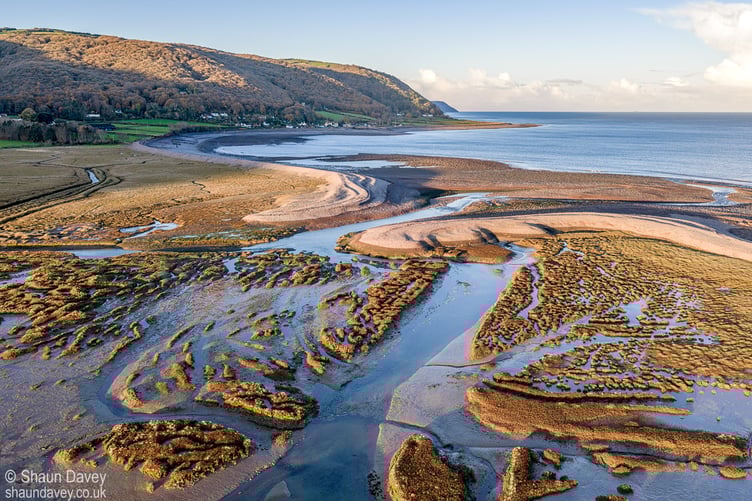
The issue became whether such a precious coastal habitat could be defended against the predicted rise in sea levels and the increased ferocity of winter storms and at what cost.
Eventually, a policy of ‘managed retreat’ was adopted, allowing nature to have its way.
Today, Porlock Marsh is swept twice daily by incoming tides and is celebrated for its dynamic environment, home to a rich variety of bird and plant life.
It is the largest coastal Site of Special Scientific Interest in Somerset, recognised for both its biological and geological significance.
The Dovery Manor Museum exhibition explores the history of the marsh and celebrates its rich flora and fauna.
It also examines the tense debate four decades ago when the future of the ridge and the marsh was a test case for the nation’s policies for coastal defence.
The museum is open daily from 10 am until 4 pm, except on Wednesdays when it is closed, and entrance is free, although donations are appreciated.
More information about the museum and the storm exhibition is available on its website.
Comments
This article has no comments yet. Be the first to leave a comment.