
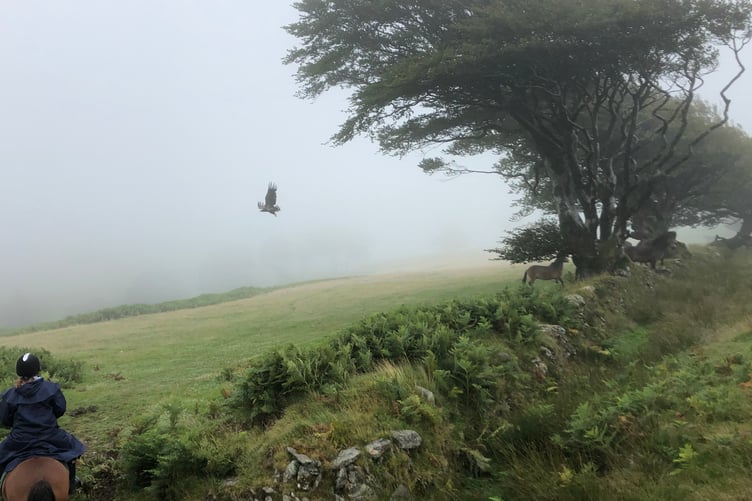
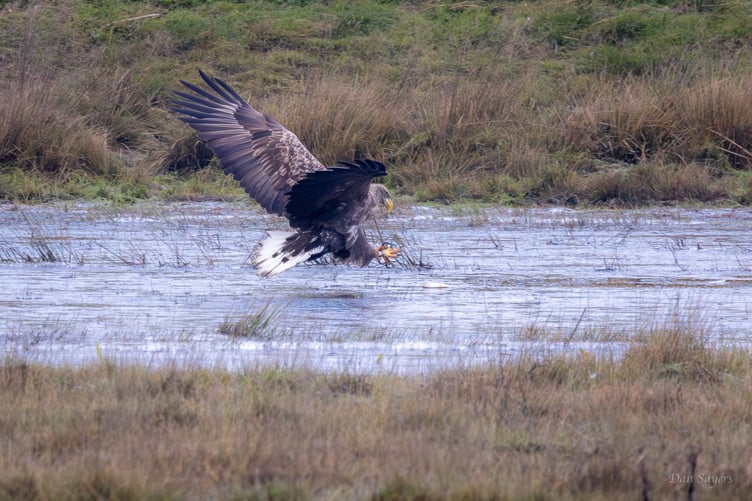
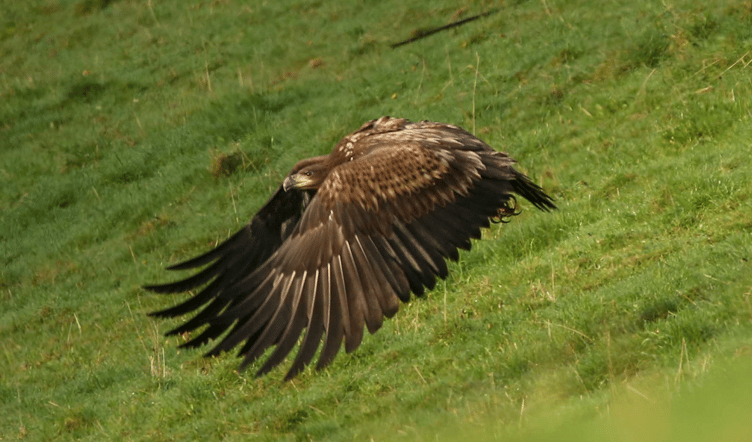
CONTROVERSIAL plans to reintroduce Britain’s largest bird of prey to Exmoor were approved on Wednesday (May 13) by Natural England, the Government’s wildlife licencing authority.
Moves to bring back white-tailed eagles, known as sea eagles, have been opposed by farmers fearing the eight-feet wingspan birds will take livestock.
Exmoor National Park Authority (ENPA) has been working on the plans for the past 18 months and carried out a public consultation which saw 80 per cent of more than 2,000 respondents express support.
ENPA senior ecologist Ali Hawkins said: “Exmoor, with its long expanse of coastal woodland, provides some amazing habitat for white-tailed eagles.
 Memory of Robin Elston brings together 100 Exmoor farmers to ease daily pressure
 Simonsbath Festival underway with plenty of highlights still to come
 Exmoor house where counter-terrorism chief died in fireball explosion may be rebuilt
 See the latest West Somerset and Exmoor planning applications and decisions
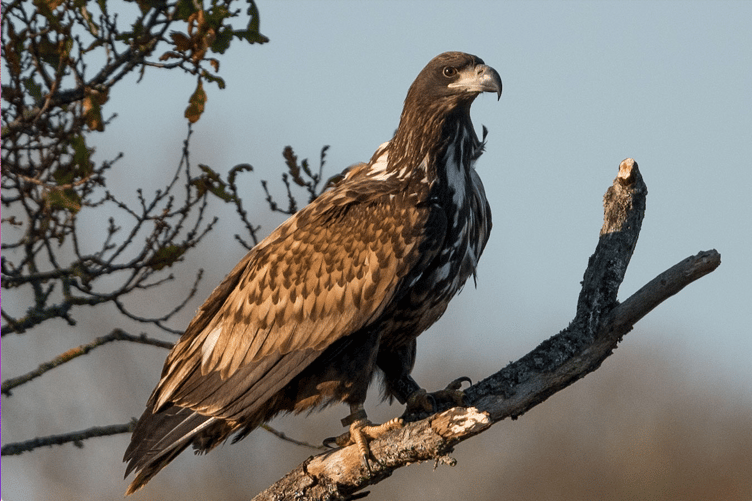
“Their reintroduction to the national park is an exciting next step in delivering more for nature recovery and we would like to thank everybody connected to the project.
“We are committed to continuing to work with farmers and other stakeholders, to support them in adapting to this species fledging on Exmoor once again.
“We hope people will be lucky enough to see one of these incredible birds in the coming years.”
White-tailed eagles were once widespread across England until human persecution caused their extinction, with the last breeding pair in southern England recorded in 1780.
The Exmoor reintroduction project is being led by Forestry England and the Roy Dennis Wildlife Foundation.
It will add to an existing programme of releases on the Isle of Wight which began in 2019, by releasing up to 20 young eagles over the next three years, starting in the summer.
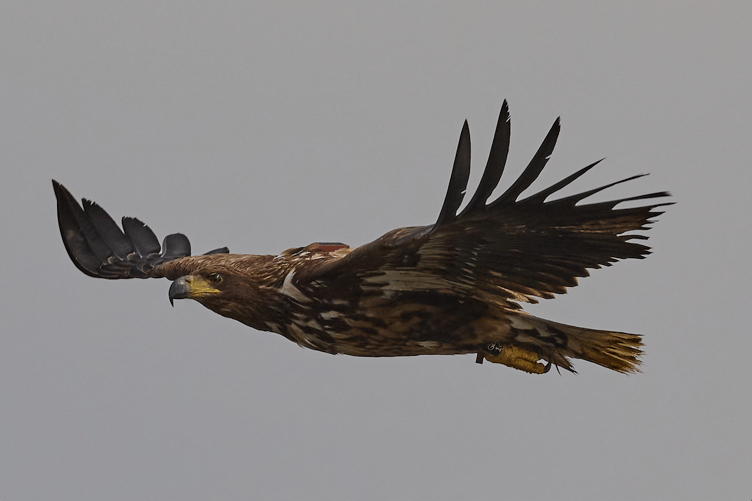
The releases will boost the number of birds already in the wild and expand their breeding range into the Westcountry.
Exmoor was chosen after tracking data from the Isle of Wight birds showed the moors, which provide suitable habitat, were frequently being visited by several of the eagles.
The species is known to have formerly bred along the Exmoor coastline.
The foundation has so far released 45 young white-tailed eagles on the Isle of Wight and four pairs have bonded and successfully formed territories along the South Coast.
In 2023, the first chick was seen to be born in the wild in England for more 240 years, since when, another five have hatched.
Natural England national delivery director Matthew Heard said: “Bringing white‑tailed eagles back to this part of the country is a hugely exciting step in restoring England’s natural landscapes.
“This licence supports a carefully planned reintroduction, grounded in strong evidence and built on collaboration with local communities and land managers.
“This moment has been a long time in the planning and shows what can be achieved when ambitious partnerships, good science, and positive engagement come together.”
Forestry England white-tailed eagle project manager Stephen Egerton-Read said: “Returning lost species like the white-tailed eagle is a key part of restoring biodiversity and supporting nature recovery.
“Seven years on from the start of this project, these birds have begun to successfully return to the English landscape, forming pairs, establishing territories, and breeding.”
The released eagles will be fitted with satellite tags to track their location and study their progress.
Comments
This article has no comments yet. Be the first to leave a comment.