

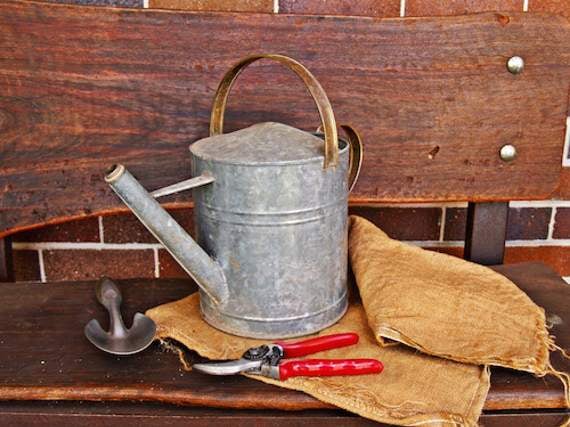
June’s an all-action month, with pests and diseases swarming in from all sides, weeds fairly storming out of the ground, and the ever-present threat of yet another early summer drought after the driest May for years.
On the bright side, frost danger should be well and truly over – and the joys of those first new potatoes can only be days away now.
FLOWERS
After flowering has finished, give wisteria a summer prune, cutting all the long side-shoots back to 20cm to encourage flowering next spring.
 Three-week New Year closure to allow A396 repairs six months after fatal coach crash
 Good tidings for local firms as they are shortlisted in Somerset Business Awards 2026
 Government should give Westcountry 'fair share' of funding says Exmoor campaigner
 Delays in constructing Hinkley C nuclear power station highlighted by protestors
Pinch out the tips of fuchsias and bedding plants to encourage bushier growth and give containers and hanging baskets a liquid feed every few weeks.
Continue planting summer bedding in pots and borders and water regularly. Fill any gaps in borders with pots of tall bulbs such as fragrant lilies. Lift and store tulip bulbs after flowering.
VEGETABLES
Outdoor tomatoes and a whole range of maincrop brassicae should be ready for transplanting this month. Give them plenty of water. Runner beans, brought on under glass and suitably hardened off, should also be ready for the great outdoors.
Apply tomato feed to fruiting vegetable crops including courgettes, pumpkins and chillies and spread mulch around thirsty crops such as beans and courgettes to hold in the moisture.
Take softwood cuttings of herbs such as marjoram and sage and plant in gritty compost.
FRUIT
Summer pruning of apples should begin when the new side-shoots reach pencil-thickness. Take them back to four or five leaves from the base. Trained pears respond well to similar treatment.
Plums, cherries and peaches may also be pruned as the next couple of months are the least likely times to contract silverleaf disease through pruning.
In all cases cut just above an outward-facing bud with sharp secateurs. Grapes benefit from attention this month: cut off fruiting shoots at a couple of leaves beyond the bunch and take back non-fruiting shoots to one leaf from the base.
PEST CONTROL
Pests to watch out for this month include the flea beetle on vegetables and the gooseberry sawfly which can strip a bush overnight.
Cabbage Whites are emerging in force and can be dealt with by fortnightly sprays of bactospein, a culture of a caterpillar-specific bacterium.
Pinch out the tops of broad beans to reduce the risk of aphids.
GREENHOUSE
In addition to watering and feeding with liquid manure, tomato flowers should be tapped occasionally to improve the chances of pollination. Pinching out side-shoots is a must, preferably as often as every other day. Pinch out the terminal bud after six or seven trusses have formed to conserve the plant’s energy.
Increase greenhouse shading and ventilation to keep the temperature down on hot days and water more regularly as heat and light levels increase.
Comments
This article has no comments yet. Be the first to leave a comment.