
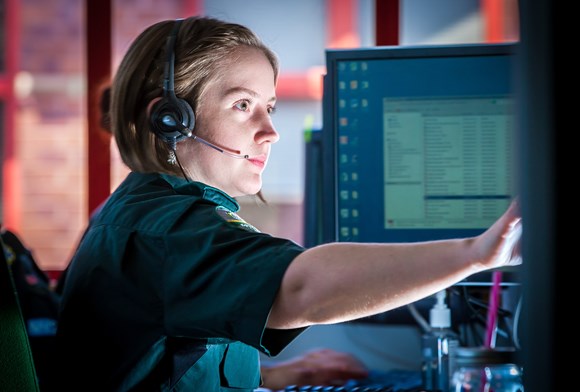
The ambulance service is urging people to only use the 999 service in a life-threatening emergency as workers go on strike for the third time on Monday in an escalating pay dispute in the NHS.
The action on Monday, January 23, involves workers from the Unison union, and will be from midnight to midnight involving all ambulance employees for the second time in January, following the first walkout in December.
The union says some workers will be exempt under emergency cover plans being drawn up locally, but the South Western Ambulance Service has issued an appeal to the public to only call 999 in a "life-threatening or life-altering emergency".
The statement said: "On days where there is strike action, patients should continue to call 999 if there is a medical or mental health emergency [when someone is seriously ill or injured and their life is at risk]. Ambulances will be able to respond in these situations, but this may only be where there is the most immediate risk to life.



-and-key-stage-one-team.jpeg?width=209&height=140&crop=209:145,smart&quality=75)
"Where the situation is not life-threatening, alternative support will be available through NHS 111 online or through calling NHS 111, and where possible, it is advised that members of the public arrange alternative transport if they need to visit a healthcare facility.
"While the NHS remains open to anyone that needs it, there are some things people can do ahead of the upcoming industrial action to help ensure services can care for everyone who needs it, including having enough medication in stock, both prescription and self-care."
Ambulance workers in the union Unite will also go on strike on Monday in the Midlands and North of England, but not in the South West.
Meanwhile the GMB union announced four new national strike dates, including in the South West, involving paramedics, emergency care assistants, call handlers and other staff, on February 6 and 20, and March 6 and March 20.
Nurses are also due to hold a second two-day strike on February 6 and 7, after Royal College of Nursing members, including at Musgrove Park Hospital in Taunton, took action on Wednesday and Thursday last week.
Will Warrender, Chief Executive of the South Western Ambulance Service NHS Foundation Trust, said about Monday's strike: “I want to take this opportunity to say a huge thank you to the communities that we serve. We have been asking you to support us by only calling 999 for life-threatening emergencies and your support has meant that we could prioritise those patients most in need of our help.
“As we look ahead to Monday, we are again asking for your support, as we absolutely must have crews available for the most life-threatening conditions and we will be prioritising these patients first.
“This means there will be other patients waiting for an ambulance, and we will get to them as soon as we can. We are sorry that we may be unable to respond as quickly as we would like.
“You should also be aware that less serious, non-life-threatening incidents may not receive a response for the duration of the strike.
“If you are waiting for an ambulance, please do not call back asking for an estimated time of arrival. We cannot provide this information and it blocks our lines for other callers.
“Please be reassured that we are doing all we can to manage winter pressures and the upcoming industrial action, including receiving military support during industrial action days, which will allow our ambulance clinicians to crew more ambulances and reach patients more quickly.”
UNISON general secretary Christina McAnea said: “It’s only through talks that this dispute will end. No health workers want to go out on strike again in the new year." She called for the Secretary of State to hold "proper talks" about pay.
The unions say NHS pay has fallen behind due to freezes and inflation, and say that is contributing to high numbers of vacancies which are harming patient care.
The government has given an average of 4.75% to NHS staff, with everyone guaranteed at least £1,400. It says it has carried out the recommendations of the independent pay review body, and is not prepared to reopen talks about this year's settlement. However, there are suggestions that next year's award from April could be backdated to January.
Which service should I access?
(Advice from SWAST)
Self-care – visit online for self-care advice for things like grazed knees, coughs and colds
Pharmacy – visit your local pharmacy for headaches, upset stomachs, aches and pains
NHS 111 – visit online or call 111 for advice and support 24hours a day, seven days a week
GP – call your GP for symptoms that won’t go away
Minor injury unit – attend your local minor injuries unit for urgent not life threatening conditions and injuries such as sprains, fractures and burns
999 – call 999 for life-threatening emergencies such as cardiac arrest, loss of consciousness, fits that aren’t stopping, chest pain, breathing difficulties, severe bleeding, severe allergic reactions, suspected stroke and serious head injuries.
Comments
This article has no comments yet. Be the first to leave a comment.