

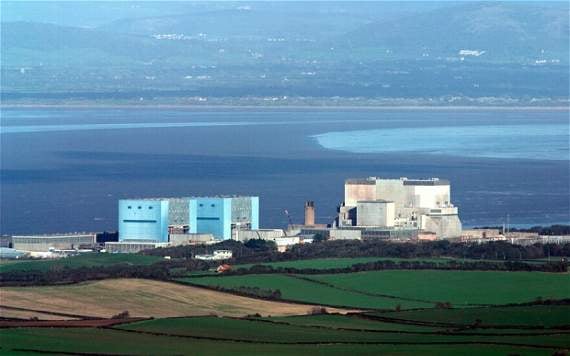
MORE than 5,000 protestors have signed a petition calling for a stop to 300,000 tons of mud being dredged from the Hinkley Point site after a marine pollution expert claimed that the mud might expose people to radioactivity.
EDF Energy was given permission in 2013 to dredge the mud and dump it in Cardiff Bay as part of construction work for the new £19.6 billion Hinkley C nuclear power station.
The sediment, which needs to be cleared to allow barges to bring in construction materials, contains 50-year-old deposits from Hinkley Point A power station, where radioactive material for atomic weapons was once produced.
Dredging would take place near the Hinkley B and now-decommissioned Hinkley A power stations and is also necessary for the construction of waste discharge pipes and cooling water intakes.
 'Significant fire safety shortfalls' found on Hinkley Point C construction site
.jpeg?width=209&height=140&crop=209:145,smart&quality=75) West Somerset Railway brings back its first ever engine to celebrate 50th anniversary
West Somerset Railway brings back its first ever engine to celebrate 50th anniversary Three-week project underway to repair A396 seven months after fatal coach crash
 Minehead's Aurora Foxes hosts Malta delegation learning about special needs education
Opposition to the work increased this week after Tim Deere-Jones, an independent marine pollution researcher, claimed that the dumped sediment could re-concentrate into more powerful radioactive material to be washed ashore in storm surges.
He claimed there was a possibility that, as a result, Welsh coastal populations could be exposed to doses of marine radioactivity, and added: “There is a lack of knowledge about the potential harm of moving the mud.
“Rather than being relatively stable at the Hinkley site, it will be churned up and radioactive and non-radioactive pollutants will inevitably enter inshore waters and coastal environments.”
But an EDF Energy spokesman said: “We have undertaken a number of assessments as part of this application, which concluded that the activities pose no threat to human heath or the environment.
“All activities on our sites are strictly controlled and regulated by a number of statutory bodies to ensure that the environment and the public are protected.
“We consulted a number of stakeholders for more than 12 months before making an application to the Welsh government marine consents unit for a marine licence to deposit this material at the Cardiff licensed disposal site."