
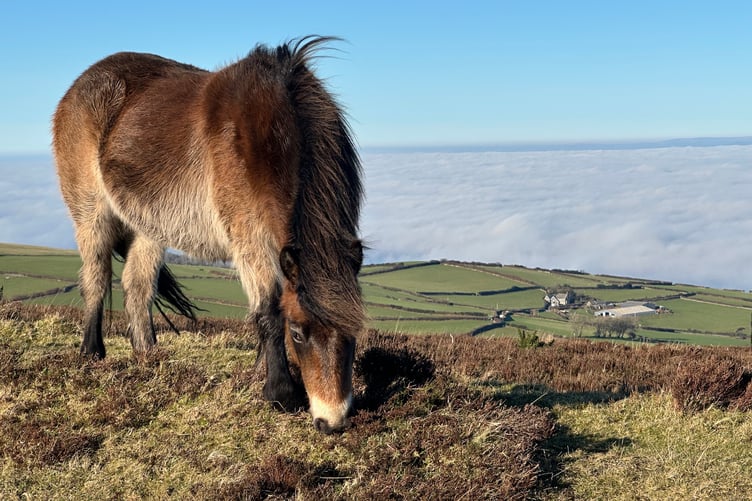
CONSERVATIONISTS and farming communities on Exmoor are watching with alarm as Natural England’s new grazing contracts threaten to remove up to 90 per cent of Dartmoor National Park’s semi-wild hill ponies.
There are serious concerns that similar proposals could soon be imposed on Exmoor, home to one of Britain’s oldest and most endangered native breeds.
The Exmoor Pony is listed on the Rare Breed Survival Trust’s category two endangered list, with the indigenous core population living on Exmoor considered to be ‘critically endangered’.
With only about 500 ponies living on the moor and fewer than 4,000 worldwide, the breed is one of the most genetically vulnerable native horse breeds in existence.

.jpeg?width=209&height=140&crop=209:145,smart&quality=75)
The Natural England contracts for Dartmoor drastically reduce the number of grazing animals permitted and could come into force before the end of this year.
The contracts would for the first time count the national park’s hill ponies within overall livestock grazing quotas.
It is feared this could force commoners to remove the ponies in favour of cattle and sheep to maximise the numbers of commercially viable animals they can graze.
Campaigners branded the change ‘ecologically illiterate’, as the ponies are among the most effective grazers of invasive Molinia grass, which is choking out native species across moorland habitats.
Molinia, known as purple moor grass has aggressively taken over huge swathes of British moorland, turning them into monotonous, species-poor wastelands.
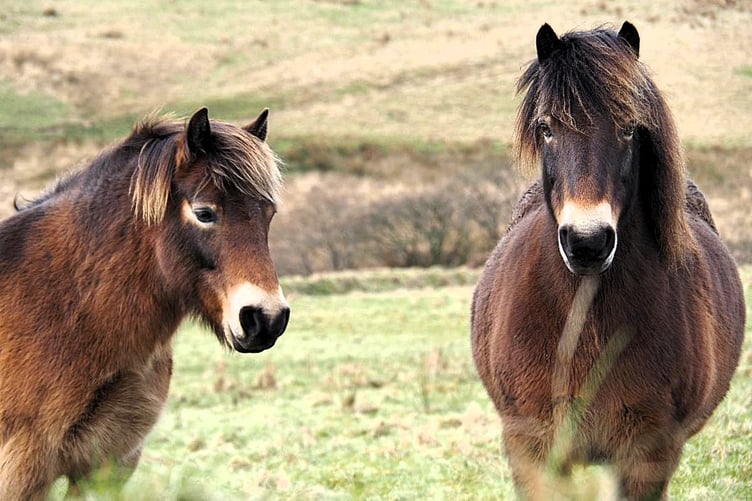
Campaigners say the warning is especially acute for Exmoor, where any further reduction in free-living moorland herds risks pushing the breed beyond the point of genetic recovery.
Following a severe genetic bottleneck after World War Two, the current Exmoor Pony population is descended from fewer than 50 foundation animals.
Exmoor farmer and Conservative campaigner James Wright said: “What Natural England is doing on Dartmoor today, they could be doing on Exmoor tomorrow.
“These ponies are not an inconvenience, they are part of the ecological fabric of this landscape, and they have been here far longer than the London bureaucrats now deciding their fate.
“If we allow this to happen on Dartmoor without challenge, we are handing Natural England a template for every moor in England.”
A petition against the change has been started online by campaigner Tara Leader and has already gathered nearly 16,000 signatures.
Supporters plan to deliver the petition to Downing Street on September 2, accompanied by six Dartmoor hill ponies.
They are urging Environment Secretary Emma Reynolds and local MPs to call for an immediate pause and an independent ecological review of the contracts before they come into force.
Ms Leader said: “Ponies are not the problem, they are the solution that can help halt and reverse the decline of biodiversity on Dartmoor.
“In vast areas of Dartmoor, invasive Molinia grass is taking over, choking out native plants and creating a barren monoculture.
“Ponies eat Molinia grass.
“The unique way they graze clears spaces to allow native plant species to recover and thrive, bringing a wealth of invertebrate species with them.”
The petition can be found on the website Change.org.
Comments
We've recently changed our login process. If you have an account for commenting, you will need to re-register on the login window.
This article has no comments yet. Be the first to leave a comment.