
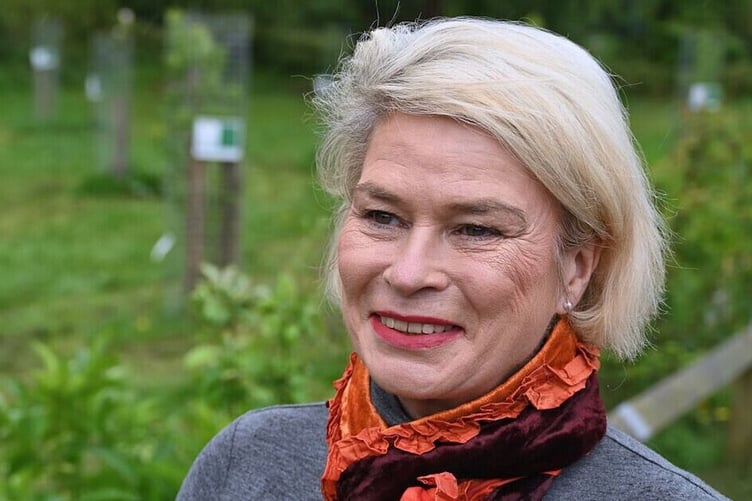
Speaking in a Westminster Hall debate on isolation in coastal communities, Mrs Gilmour said unreliable public transport links and diminishing education opportunities could leave many of her constituents unable to access further education or job opportunities.
Mrs Gilmour said her constituency had ‘a diminished, unreliable, public transport network and colleges that are widely spread, which means constituents have long journey times and large distances to travel’.
She said: “The unreliability of these networks discourages many young people from pursuing further education.”
Mrs Gilmour said she strongly believed all young people should feel they had an opportunity to continue into further education.
She said: "The west part of my constituency, for all its natural beauty, suffers from the lowest social mobility in the country and it ranks among the poorest travel times to employment, at the 96th percentile.
“Education and employment opportunities for those living along the coast are so limited that teenagers are catching a bus at 6 o'clock in the morning, with a two-hour journey each way, just to reach the further education courses they need."
Mrs Gilmour called on the Government to ‘apply a fair funding formula that properly takes into account the realities of coastal and rural life for education, travel, health, and much more’.
Leading the debate, MP Richard Quigley said successive Governments had failed to recognise deprivation in coastal areas.
Challenges included poor transport, an ageing population, pressures on health and social care, and lower average wages.


A Government spokesperson said new transport policy tools were being considered which should improve the situation.
Comments
We've recently changed our login process. If you have an account for commenting, you will need to re-register on the login window.
This article has no comments yet. Be the first to leave a comment.