
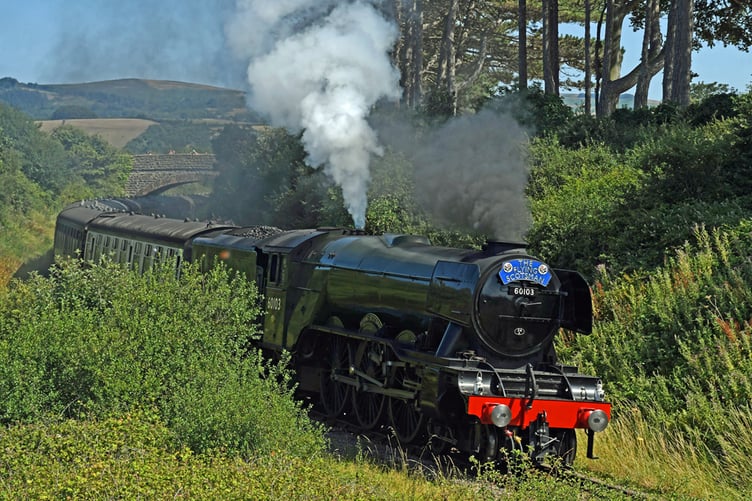
BECOMING a movie star has helped the West Somerset Railway (WSR) slash annual losses as it approaches its 50th anniversary from more than £420,000 last year to under £30,000, recently published accounts show.
Losses at West Somerset’s best-loved visitor attraction soared to more than £8,000 a week in the previous year, doubling its 2023 loss, but for the year ended March 31, 2025, it was £29,460, or £566 per week.
WSR chairman Jonathan Jones-Pratt said last year’s income for the country’s longest heritage line was boosted by an increasing use of the railway by filming companies.
Mr Jones-Pratt said: “Until recently, much of this business has been taken up by railways nearer London, and the Bluebell Railway has been notably successful over several years.
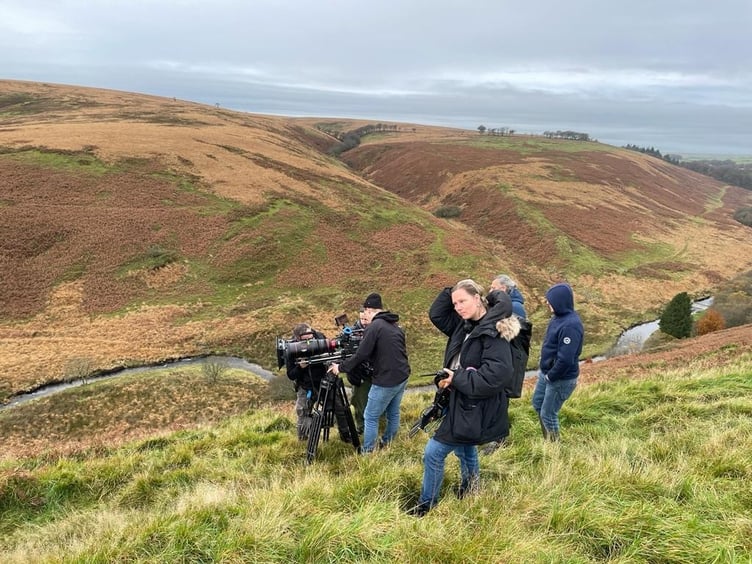
“We had a major contract in mid-2024 and we are pleased how this went.
“We are actively pursuing other possibilities.
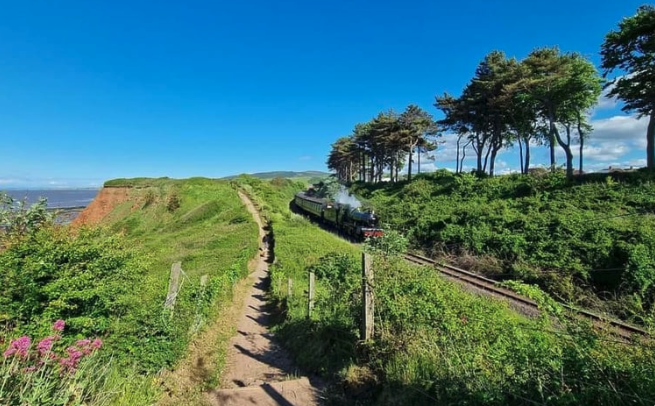
“A key element which a heritage railway can offer the film industry is more flexibility than filming on the main network.
“If they want our trains to shuffle back and forth for another take, it is usually possible to do that.

“The business is there, so all we have to do is point it in our direction.”
Mr Jones-Pratt said the WSR was not insulated from the uncertain economic environment and although special events had delivered good income, the income from day-to-day operations did not grow as hoped.
He said balancing fare levels with what visitors could reasonably afford was difficult and the railway did not want to become a ‘high end’ exclusive heritage attraction.
Although increases in minimum wage and a requirement to pay more for National Insurance only impacted from April, the railway needed to anticipate it and ensure cash reserves were sufficient as the wage bill for the year topped £1 million for the first time.
Mr Jones-Pratt said July’s visit of the world famous Flying Scotsman had since provided a financial boost which left the WSR in a reasonable condition to face the winter months.
However, there was a slow decline over the years in regular ‘farebox’ income alongside gradually increasing costs which could affect long-term viability.
Mr Jones-Pratt said it had been noticed that passengers were not ‘critically influenced’ by riding behind a steam engine as long as they were able to see a steam locomotive in action during their trip.
Therefore, a re-assessment of the amount of diesel haulage might be needed, to which end a development review of facilities had been started.
Mr Jones-Pratt also highlighted a slight decline in the number of volunteers prepared to commit to the time necessary to keep the railway operating.
He said: “Our financial business model depends on us being, mainly, a volunteer-run railway.”
A directors’ report with the accounts stated: “The trading deficit has continued to improve this year and had we achieved the Christmas fare forecast, the railway would have been in profit.”
The directors said coastal erosion near Doniford Halt was being carefully monitored and although not an immediate risk, contingency plans were needed.
Comments
We've recently changed our login process. If you have an account for commenting, you will need to re-register on the login window.
This article has no comments yet. Be the first to leave a comment.