
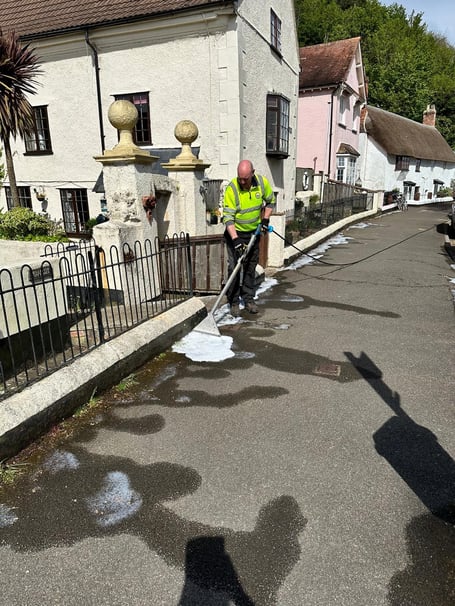
TOWN councillors in Minehead have reconsidered the use of controversial chemical glyphosate to kill street weeds after complaints from residents - and have decided to carry on.
Weeds are one of the biggest sources of complaints received by the council, which took on the task of removing them a few years ago after Somerset Council stopped doing so.
Town clerk Ben Parker said controlling weeds was a ‘challenge’ and there had been considerable dissatisfaction among residents.
In 2024, the council trialled a plant-based weedkiller product called Foam Stream, which was made from natural plant oils and sugars.




However, it proved both expensive and ineffective and last year councillors agreed to reintroduce weedkiller containing glyphosate, a chemical which has been the subject of claim and counter-claim on whether it is carcinogenic for humans.
Mr Parker said there had been a ‘significant number of positive comments’ from residents who appreciated the role that responsible glyphosate application played in maintaining a clean street scene.
The UK Government had planned to ban glyphosate use by the end of last year, but then extended its licence until December this year while it carried out a full scientific review and public consultation on the subject.
Minehead councillors agreed in January not just to continue using the chemical in this year’s weed killing programme but to expand the areas in which it was sprayed.
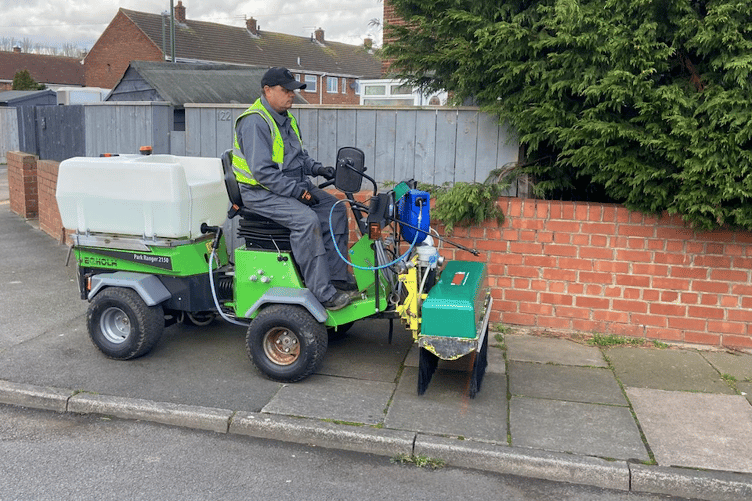
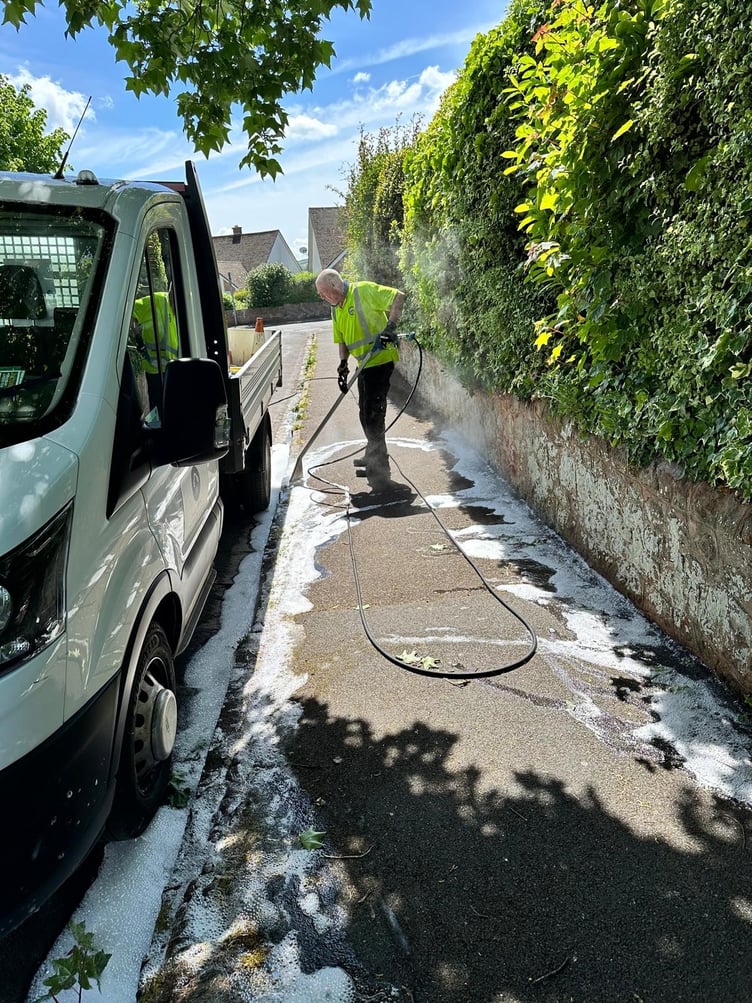
Specialist contractors were commissioned to make three visits to Minehead in May, July, and October, as they had done last year, with each visit timed for early in the day to minimise public contact and ensure safety when operating machinery on footways.
Mr Parker said the contractors were using advanced application methods with adjuvants and chlorophyll sensors, and precision nozzles for accurate and limited application.
But, following a number of complaints from the town’s residents they agreed to review their current processes and decide if any changes should be made.
The issue was debated at a meeting on Tuesday, May 26, when they discussed the targeted use of glyphosate-based herbicides in Minehead.
It was suggested that spraying could be paused pending a public consultation as the issue of weed killing was known to be ‘highly contentious’.
Councillors were aware there were concerns among residents both when glyphosate was used and when it was not.
They discussed potential environmental impacts and emphasised the importance of effective contractor management.
It was pointed out the council had previously invested ‘considerable time and resources in exploring glyphosate-free alternatives’ which were not found to be sufficiently effective.
The use of glyphosate-based products was therefore considered to provide the most effective approach, helping to manage costs to the council taxpayer while maintaining weed-free streets.
Councillors voted eight-to-one, with three abstentions, to continue with specialist contractors applying glyphosate-based herbicides.
They said all work had to be carried out safely, responsibly, and in accordance with relevant guidance and best practice.
Residents who are opposed to the use of the chemical can request the town council not to apply it outside their properties.
Comments
We've recently changed our login process. If you have an account for commenting, you will need to re-register on the login window.
This article has no comments yet. Be the first to leave a comment.