
Eighty years ago tomorrow (Saturday), on December 18, 1941, the war came to Minehead in a strange and shocking way when two members of the close-knit seafaring community became the town’s only direct fatalities of enemy action.
Here, local historian GEOFF LLOYD recalls the double tragedy of lifeboatmen John Slade and Tom Escott, who today are still honoured as civilians who lost their lives by enemy action while answering the call of duty.
THE story that ended eight decades ago with posthumous medals and names on a roll of honour in Westminster Abbey, began the previous day, when, at low tide, an object was seen sticking out of the mud in Blue Anchor Bay.
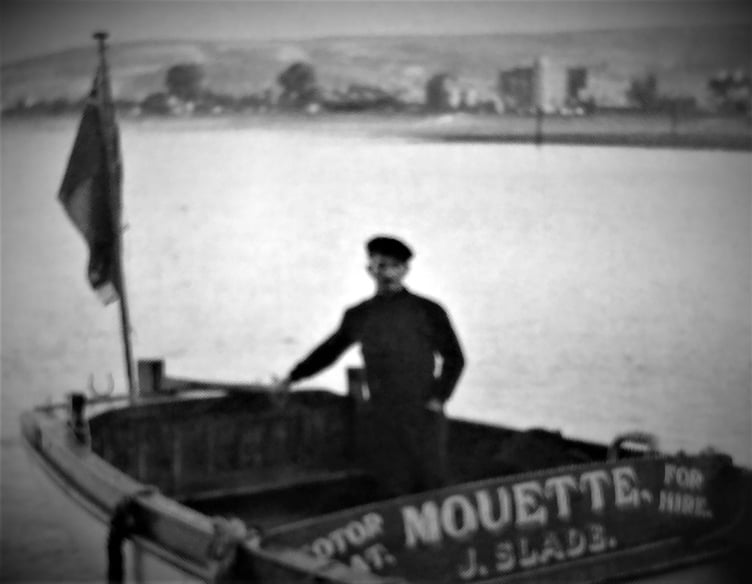
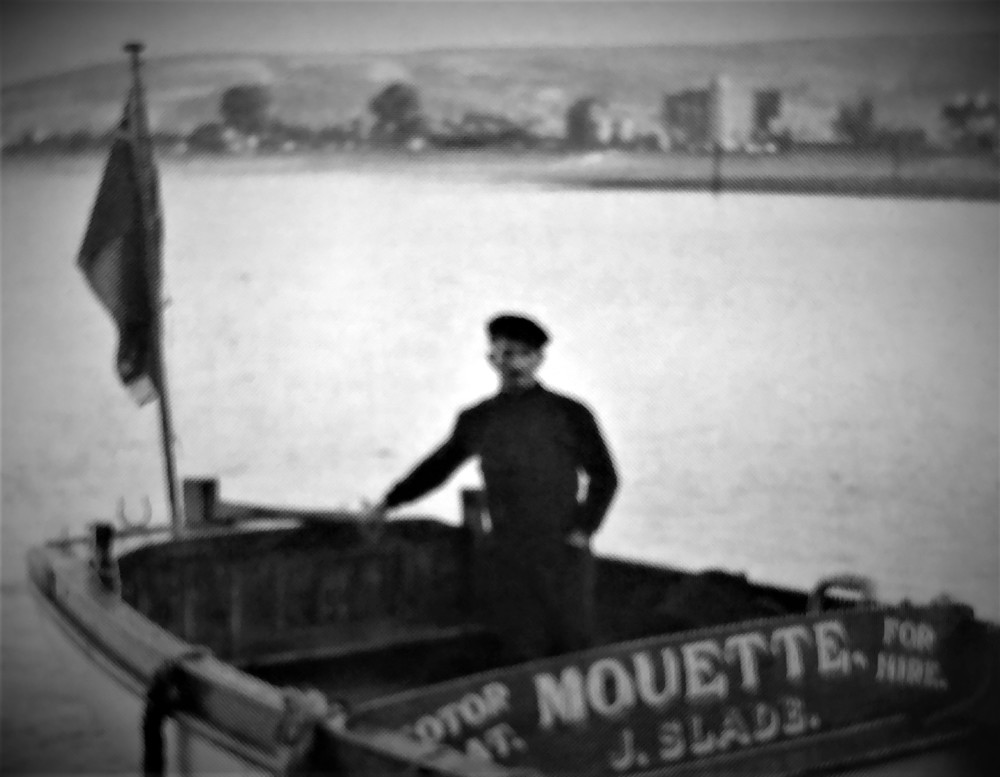
It was reported to be part of an aircraft fuselage and the resident naval officer for the area ordered that the sighting be investigated. As a result, Minehead lifeboatmen John Slade and Thomas Escott set out from Minehead the next day in John Slade’s motor launch, Mouette. It was to be the last time they put to sea.

As they approached, they saw what looked like wreckage projecting from the sea, and steered the boat towards it to take a closer look.
What they couldn’t know was that the object wasn’t part of an aircraft but an immensely powerful magnetic mine, packed with enough high-explosive to sink a ship. There was a blinding flash, a shattering explosion that could be heard across the town, and both men were killed.
John Slade was 56 when he died, Tom Escott was ten years younger. Both men were part of the close-knit Quaytown seafaring community and were members of the Minehead lifeboat crew - John as coxswain and Tom as shore signaller.
Tom Escott’s mother, Clara Slade, had lived at 17 Quay Street and married James Escott, a sailor. After James died in 1908, Clara and her sons Tom and James continued to live in the family home.
By 1939 Tom was working as a house painter and lived in Queens Road with his wife Ethel. When war broke out, he joined the fire service, and was given a fireman’s funeral in St Andrew’s Church, Minehead, where he had been a member of the choir since childhood.
The Western Morning News reported that "six colleagues formed an escort and bearer party and as the coffin was carried into the church it passed between a guard of honour provided by units of the service from Minehead, Dulverton, Williton and Watchet.
"Out of respect for the deceased’s memory the choir attended and the church was packed to capacity...en route to the cemetery the engine and a tender which carried more floral tributes, was preceded by the fire service members at a slow march."
John Slade’s body was never recovered. He was married to Emily, they had a daughter Edith and lived at 9 Quay Street, Minehead.
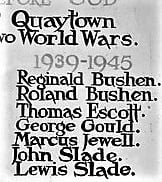
John Slade and Tom Escott are commemorated on the civilian war dead roll of honour in St George’s Chapel in Westminster Abbey, and on the war memorial in St Peter’s Church on the quay in Minehead.
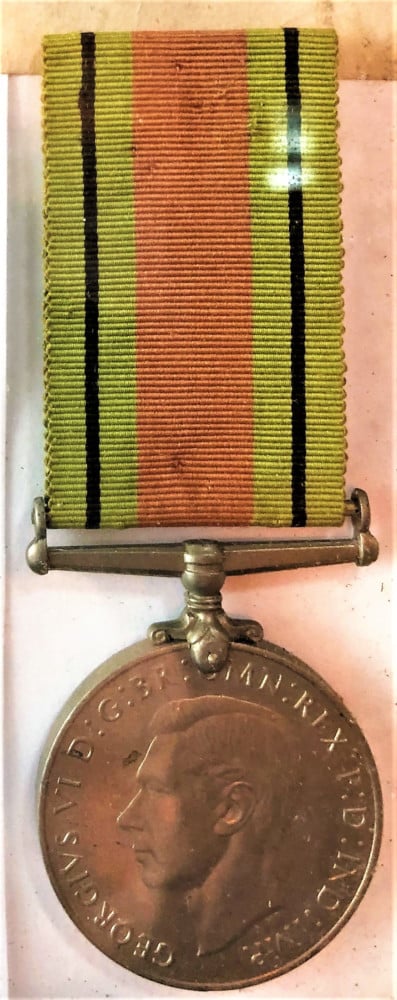
Both men were also awarded posthumous medals and citations in recognition of their bravery.
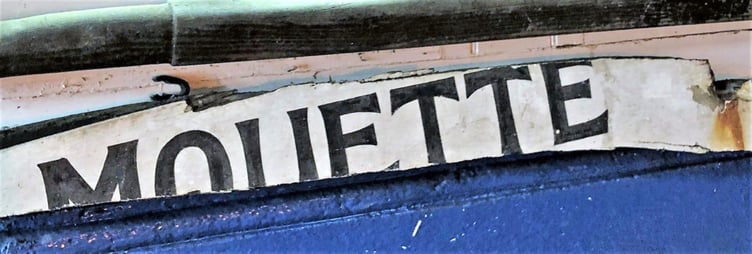
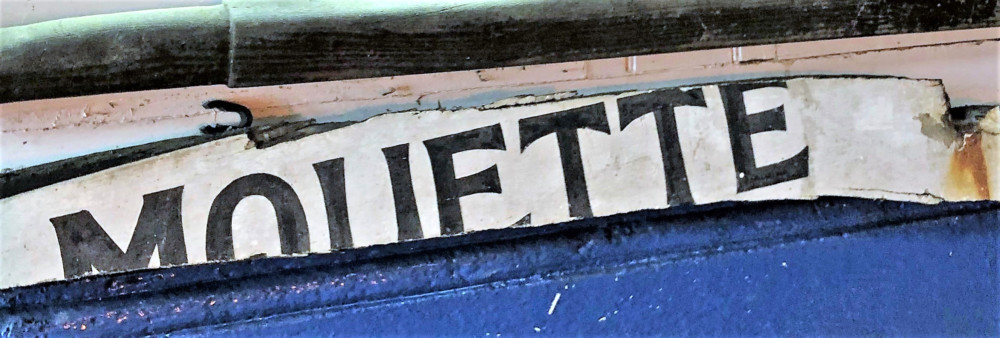
The Mouette’s nameboard and tiller were washed ashore and are now kept in the Lifeboat House on the Quay as part of a special display honouring the two men. John Slade and Tom Escott were typical lifeboat crew members, showing a courage in the fine tradition of the RNLI of which we can be proud.
Comments
We've recently changed our login process. If you have an account for commenting, you will need to re-register on the login window.
This article has no comments yet. Be the first to leave a comment.