
SEA trials have shown the effectiveness of an alternative method of saving fish which might be killed by being sucked into the cooling system of Hinkley Point C nuclear power station.
Hinkley C owner EDF commissioned Swansea University to trial a £700 million acoustic fish deterrent (AFD) system which uses ultrasound technology.
The system was shown to keep target fish species away from the power station’s water intakes on the bed of the Bristol Channel.
It is one of three separate fish protection systems for Hinkley C, giving it more fish protection than any other power station in the world.
 'Significant fire safety shortfalls' found on Hinkley Point C construction site
.jpeg?width=209&height=140&crop=209:145,smart&quality=75) West Somerset Railway brings back its first ever engine to celebrate 50th anniversary
West Somerset Railway brings back its first ever engine to celebrate 50th anniversary Three-week project underway to repair A396 seven months after fatal coach crash
 Minehead's Aurora Foxes hosts Malta delegation learning about special needs education
Hinkley will use specially designed intake heads to slow the speed of water entering the cooling tunnels, allowing fish to escape from as close as six feet in a 12-mile wide channel, while a fish return system will also transfer fish back to the sea.
The AFD system has been developed by fisheries conservation experts Fishtek Marine, in Devon, and can be deployed and maintained without using divers.
It is more compact than an earlier proposed system which would have used nearly 280 underwater loudspeakers.
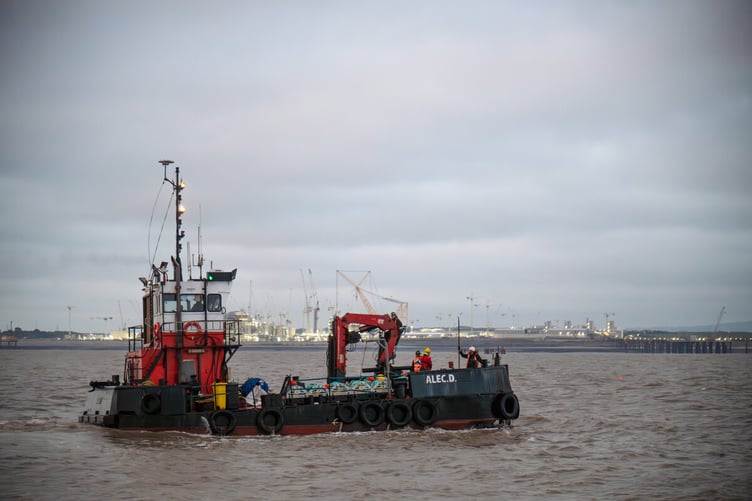
The trials showed, for example, with tagged twaite shad only one of the fish came within 100 feet of the intake heads, compared to 14 in the same area without the system turned on.
More testing of the system in tanks will continue throughout the first half of 2026.
The university’s research also resulted in a better understanding of the movements and location of fish populations in the Severn Estuary.
It showed salmon, migrating to the Atlantic generally used the main channel, well away from Hinkley C’s water intakes.
In two years, only two tagged salmon were detected within half-a-mile of the intakes.
The ultrasound system operates with high and low-frequency sounds to target different types of hearing fish without harming the fish and can be tuned for specific species, avoiding disturbance for larger marine mammals such as dolphins and seals.
High-frequency sound is already used in fishing fleets around the world to reduce bycatch.
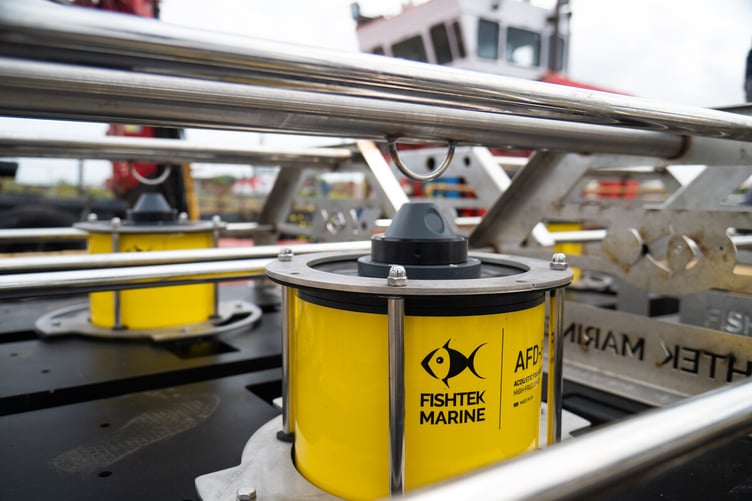
EDF plans to submit the new system for regulatory consideration and approval later this year, with a decision to be taken by the Marine Management Organisation.
Swansea University fisheries scientist and marine ecologist Dr David Clarke said: “These early results are very encouraging with the system clearly working.
“Our results show a large majority of the tagged shad avoid an area extending some 200 feet from the intake heads protected by the acoustic fish deterrent system.”
Hinkley C head of environment Chris Fayers said: “The successful testing of the acoustic fish deterrent is good news for the environment and for communities and farmers up and down the Severn.
“Because the system works even better than we had hoped, it means we can meet all of our planning obligations and should not need to create 900 acres of saltmarsh as environmental compensation.
“And it is good news for a power station that will generate the reliable, low carbon electricity that the country needs.”
Comments
We've recently changed our login process. If you have an account for commenting, you will need to re-register on the login window.
This article has no comments yet. Be the first to leave a comment.