

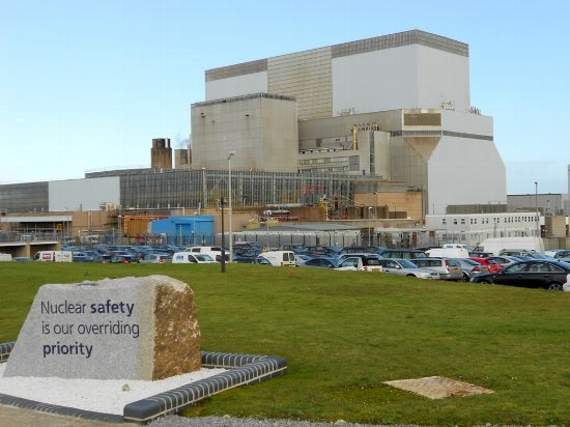
AFTER spending a year-off line, 45-year-old Hinkley Point B nuclear power station was this week given the go-ahead to once again start producing low-carbon energy.
EDF has invested £3 million over the past year upgrading the plant that first opened in 1976 while detailed assessments were completed on the graphite in the nuclear reactors.
The Office for Nuclear Regulation (ONR) gave the green light to bring the plant back online on Wednesday (March 17).
Peter Evans, station director of Hinkley Point B, said: “Our core purpose at Hinkley Point B is helping Britain achieve net zero and we have been doing this since long before the term net zero arrived.
.jpeg?width=209&height=140&crop=209:145,smart&quality=75)


“The approval to restart power generation, which has come after many months of physical work and technical assessments of our site, plant and nuclear reactors, is really positive news.
“When I look back at the last 12 months it is incredible to think we have delivered a major inspection and maintenance programme, and a thorough justification to re-start the nuclear reactors, all as we grappled with a pandemic which has fundamentally changed the way we work.
“But we’ve done the work, proved our case and I’m thrilled that we can get back online and once again do what we do best.”
EDF took Hinkley Point B offline last year for detailed assessments of the nuclear reactors’ graphite cores. Detailed analysis by specialist EDF teams revealed that the graphite was in exactly the condition the company had forecast.
Last autumn the Office for Nuclear Regulation’s chief inspector found that the number of cracks in one of the reactors’ graphite was ‘lower than expected’.
The company plans to run Hinkley’s two reactors for six months, pause for further inspections and, subject to ONR approval, generate power for a second six-month period.
It’s expected the 12 months of operation will generate eight terrawatt hours of electricity, enough to power two million homes for a year.
Last November EDF announced that Hinkley Point B would operate no later than July 2022 before moving into the de-fuelling phase. This is expected to take a few years to complete and enable continued employment for many people at the station.
Comments
This article has no comments yet. Be the first to leave a comment.