
THE first wild beavers have been born on Exmoor in more than 400 years.
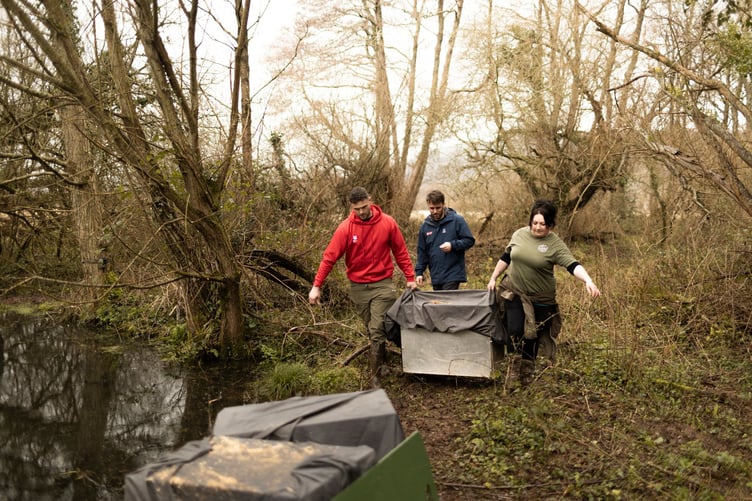
The National Trust released 11 beavers into the wild in February of this year on its Holnicote Estate between Minehead and Porlock.
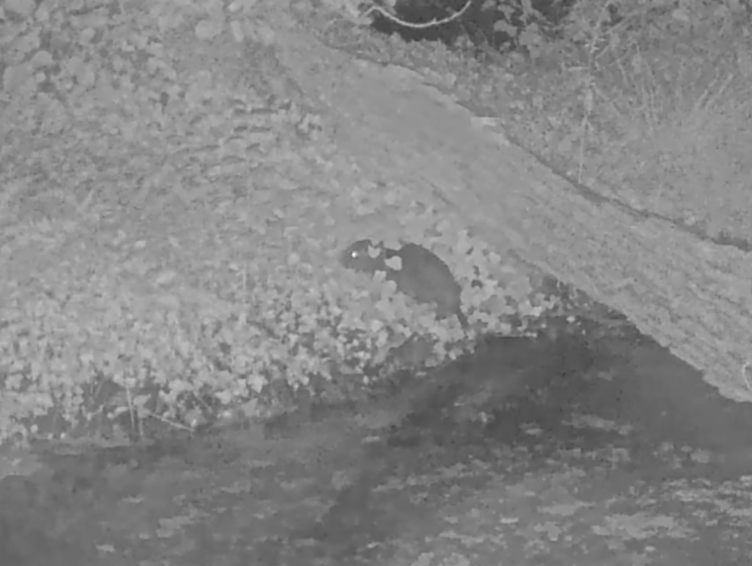
Now, it has announced kits have been born, possibly in late May or early June when the first sightings were reported by supporters watching a live webcam positioned outside the beaver lodge.
The February release included a family of five beavers and three other pairs and was made possible with the help of the Beaver Trust.
It took place under a special license granted by Natural England, as part of efforts to restore the once-native species to the landscape.
National Trust Somerset coast and countryside manager Simon Larkins said: “It is incredibly exciting to welcome the first wild beaver kits to be born on Exmoor for more than 400 years.
“Since their release, the beavers have been busy exploring their new territory, building lodges, and settling into life on the estate, helping us in our ambition to restore nature across a huge swathe of Somerset.
“Seeing them successfully raise their young is a wonderful sign that they are thriving here.

“Their work will help to develop a robust and genetically diverse local population.”
Trust supporters played an important role in spotting the new arrivals after people were invited to help monitor the live trail camera for signs of the kits.
Beaver and wetlands project officer Jack Siviter said: “We have all been eagerly watching the live trail camera for signs of the offspring.
-at-Holnicote-Estate-Somerset-National-Trust-Images-Nick-Upton.jpeg?trim=0,0,0,0&width=752&height=501&crop=752:501)
“We have people all over the world logging in to watch the livestream.
“Beavers are largely nocturnal, so having lots of pairs of eyes checking the camera from across the globe has helped us spot the fluffy young kits as they make their first forays out into the wetlands.
“As mammals, the baby beavers spend the first six weeks of their lives inside the lodge, where they are entirely dependent on their mother for milk.
“Once they are around six weeks old, they begin venturing out and gradually start weaning onto solid food and exploring their environment.
“The kits are much easier to spot than the adults as they are only about the size of a guinea pig and float much higher in the water, making them easier to distinguish on camera.”
Beavers were introduced to the Holnicote Estate as a natural way to help restore and manage the landscape.
By building dams, digging canals, and creating wetlands, the ‘ecosystem engineers’ help slow the flow of water through the catchment, reducing the downstream flood risk while creating habitats for a wide range of wildlife.
As ponds and wetlands develop, they support an increase in biodiversity, and improve the landscape’s resilience to climate change by storing water during periods of drought and slowing floodwaters during heavy rainfall.
Mr Siviter said: “Beavers were once a familiar part of Exmoor's rivers before they were hunted to extinction in England centuries ago.
“Their return is helping us reconnect floodplains, restore natural land management processes, and build a landscape that is better able to cope with both flooding and drought.
“We have already seen a remarkable increase in wildlife around the wetlands they have created, including snipe, swallows, and water voles, alongside many other wetland species.
“Reintroducing beavers is an important step in our work to restore nature and improve climate resilience.
“Seeing the first wild kits born here is another significant milestone, and we look forward to watching them grow.”
Comments
We've recently changed our login process. If you have an account for commenting, you will need to re-register on the login window.
This article has no comments yet. Be the first to leave a comment.