
FARMERS on Exmoor have been learning how dung beetles can help them boost farm productivity.
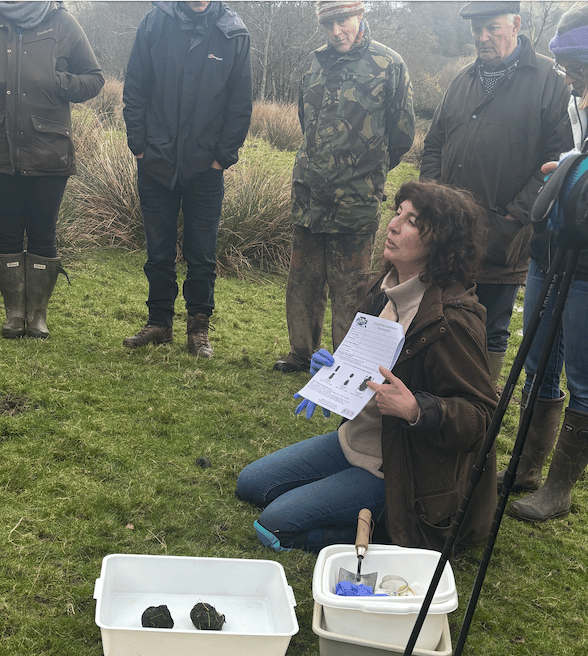
A dung beetle workshop saw national expert Sally-Ann Spence explain how the invertebrates can improve soil health and increase productivity.
Ms Spence highlighted the importance of dung beetles for livestock systems and what they were doing beyond removing dung.
She explained how the UK’s native dung beetles can positively affect livestock, pastures, soil, carbon sequestration, methane emissions, and farm biodiversity.




Twenty-seven farmers attended the session, which was held at Westermill Farm, Exford, courtesy of the Edwards family.
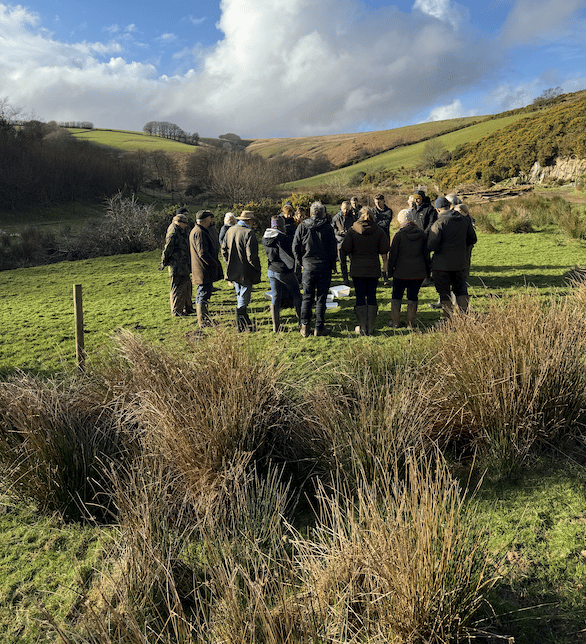
The session was organised by the Exmoor Hill Farming Network (EHFN) via Exmoor National Park Authority (ENPA) and funded through the Farming in Protected Landscapes Programme (FiPL).
An EHFN spokesperson said: “The group enjoyed lunch together after a very informative presentation followed by a practical session on how to identify and monitor dung beetle populations using simple surveying methodology.”
They said the enthusiastic farmers learned about the ecosystem functions of the economically-important pastoral insects, their ecology, their threats, and the potential practical changes in management required for their conservation.
The session included a presentation on UK native species of dung beetles and a selection of specimens.
An ENPA spokesperson said: “From a business perspective, the numbers are clear.
“A UK study estimated dung beetles save the cattle industry around £367 million per year through reduced pasture fouling, lower parasite and fly burdens, and improved soil nutrients, before wider biodiversity benefits are even considered.
“Yet, many of the UK’s 60 species are declining, largely due to grazing management and routine use of certain wormers.
“Every grazing animal produces dung, around nine tonnes per cow per year and 800 kg per sheep per year.
“What happens next determines whether that dung is a waste problem or a recycled resource.
“Without dung beetles, a cow pat can sit on the soil surface for four to eight months.
“With a healthy beetle population, pats can be reduced by around 70 per cent in days.
“They are effectively free labour working every day.
“Healthier soils mean stronger swards, better drought resilience, and less need for mechanical or artificial intervention.
“Faster breakdown means a quicker return to grazing and better grass utilisation.”
FiPL funding, administered by the ENPA team, has been supporting a range of nature-friendly farming workshops in collaboration with EHFN and the Farming and Wildlife Advisory Group South West (FWAG) charity.
EHFN has delivered a diverse programme of workshops since early February in collaboration with its partners.
More than 85 members have taken part in the workshops, which covered a broad range of practical and topical subjects, including hedgerow and woodland management, grassland nutrient management, the role of dung beetles in improving productivity, and the use of herbal leys.
Together, the sessions aim to support resilient, profitable, and environmentally sustainable farming systems across Exmoor.
Supporting the next generation of farmers has been a key focus, with 11 one-to-one business support sessions delivered in partnership with Creedy Associates, and training for eight candidates on a cross-cut and maintenance chainsaw course.
Comments
This article has no comments yet. Be the first to leave a comment.