
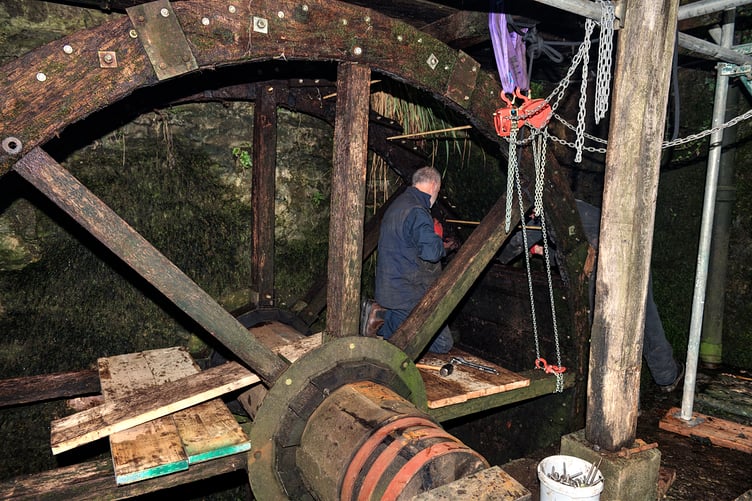
RESTORATION of a rare example of a UK double overshot watermill is underway in Dunster to safeguard more than 1,000 years of milling heritage.
The National Trust is replacing Dunster Watermill’s upper wooden waterwheel, which has deteriorated beyond repair, with the project expected to be completed by the end of February.
The wheel powers two of the mill’s three sets of stones, and without it, traditional flour production would cease, risking the loss of an important piece of Somerset’s rural history.
Mill manager Stephen Hayes said: “This is a great opportunity to restore the mill back to full working order, using the skills of a traditional millwright.
 Watchet traders' leader wants complaints to stop Dunster traffic lights scheme
- New Dunster Steep traffic lights to take up to month longer to install
 Good news as food hygiene ratings handed to 27 Somerset establishments
 Society lines up talk by ecologist who 'knows more than anybody' about Exmoor nature
“For some time now we have been struggling to make our ancient grain flours due to the deteriorating condition of the upper waterwheel.
“We are excited at the prospect of milling with a new waterwheel for many years to come and continuing to produce our amazing stoneground flours.”
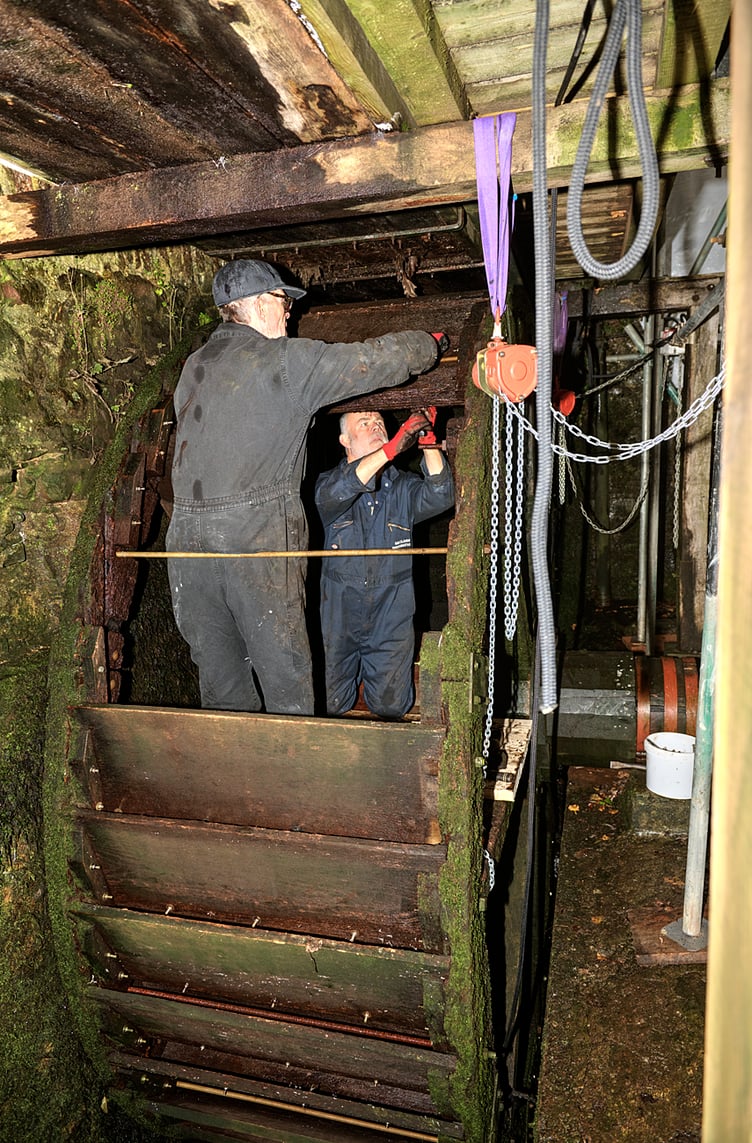
The old wheel was removed during December and craftspeople are now in the process of assembling the new oak waterwheel.
The new wheel will be crafted from English oak, chosen for its strength and durability in wet conditions.
Milling at Dunster dates back to Saxon times and is recorded in the Domesday Book.
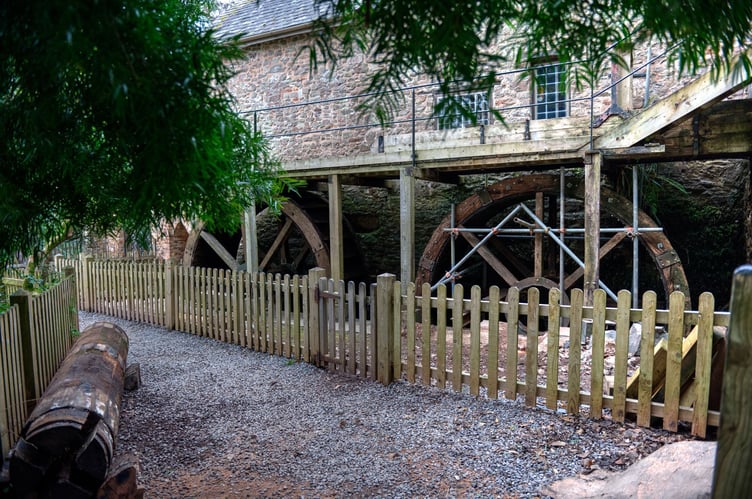
Today, visitors can experience the rare sight of a double overshot watermill still producing flour using centuries-old techniques, a tradition which will now be secured by the restoration project.
The project ensures Dunster Watermill will remain a ‘living link to Somerset’s rural heritage’ and continue to offer visitors an authentic glimpse into Britain’s milling past.
Dunster Castle, with its impressive medieval gatehouse and ruined tower, has existed since at least Norman times.
The current castle became a lavish country home in the 19th century for the Luttrell family, who have lived there for 600 years.
Comments
We've recently changed our login process. If you have an account for commenting, you will need to re-register on the login window.
This article has no comments yet. Be the first to leave a comment.