
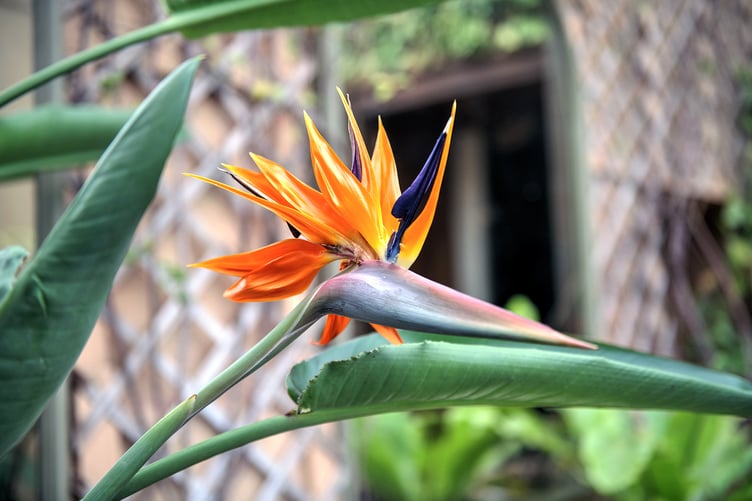
VISITORS to Duster Castle gardens can enjoy a ray of Mediterranean sunshine whatever the weather as a rare display of exotic sub-tropical plants comes into full bloom this month.
Throughout June, visitors can see Dunster’s remarkable collection of plants, featuring species seldom seen in the UK.
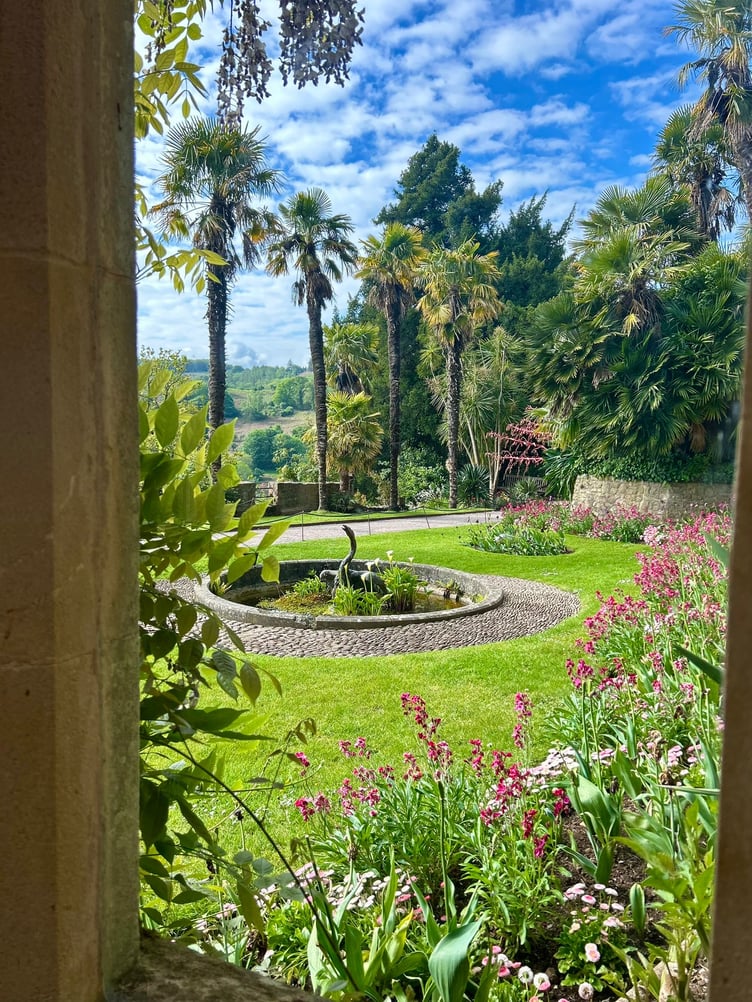
The plants have been carefully nurtured to thrive in what has been called Dunster’s unique Mediterranean‑style microclimate.
The castle’s terraced gardens have been transformed into a ‘Mediterranean Mile’ along which visitors can either make their own way or join one of the regular guided tours.
 Thousands brave 'British weather' to attend West Somerset Railway summer diesel gala
 Post Office plans temporary branch until new permanent Minehead service opens
 Historical report reveals Minehead hospital financial challenges are nothing new
- Minehead Post Office will shut on Tuesday after postmaster resignation
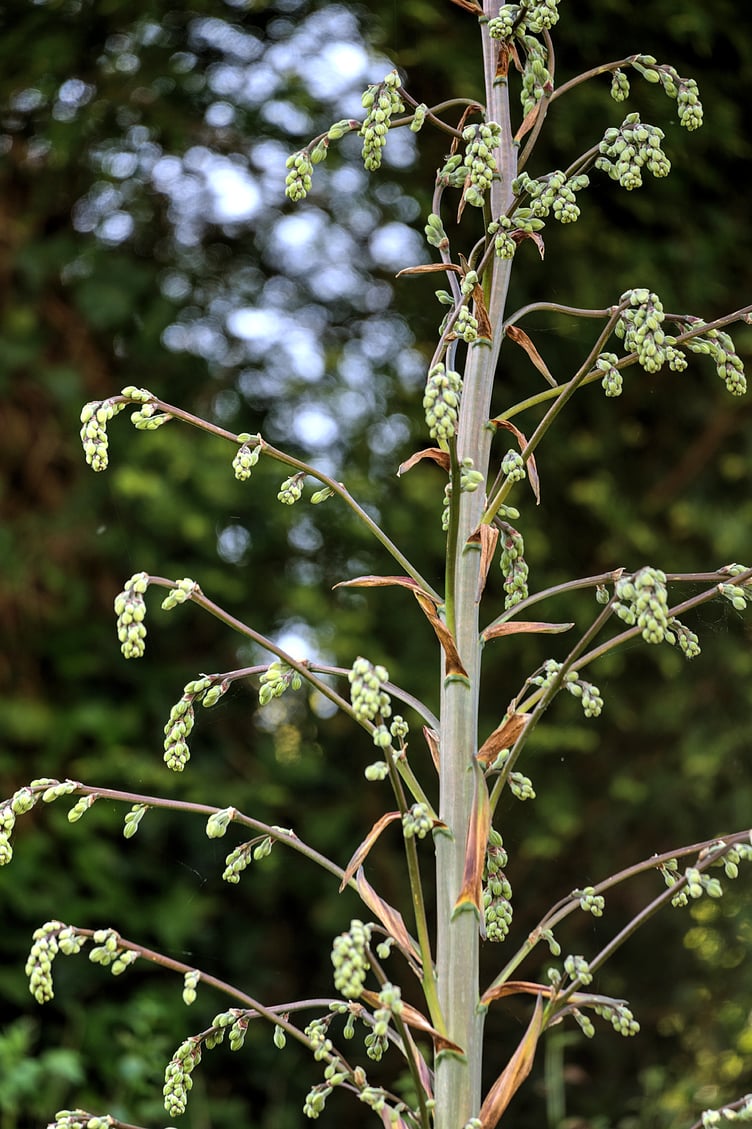
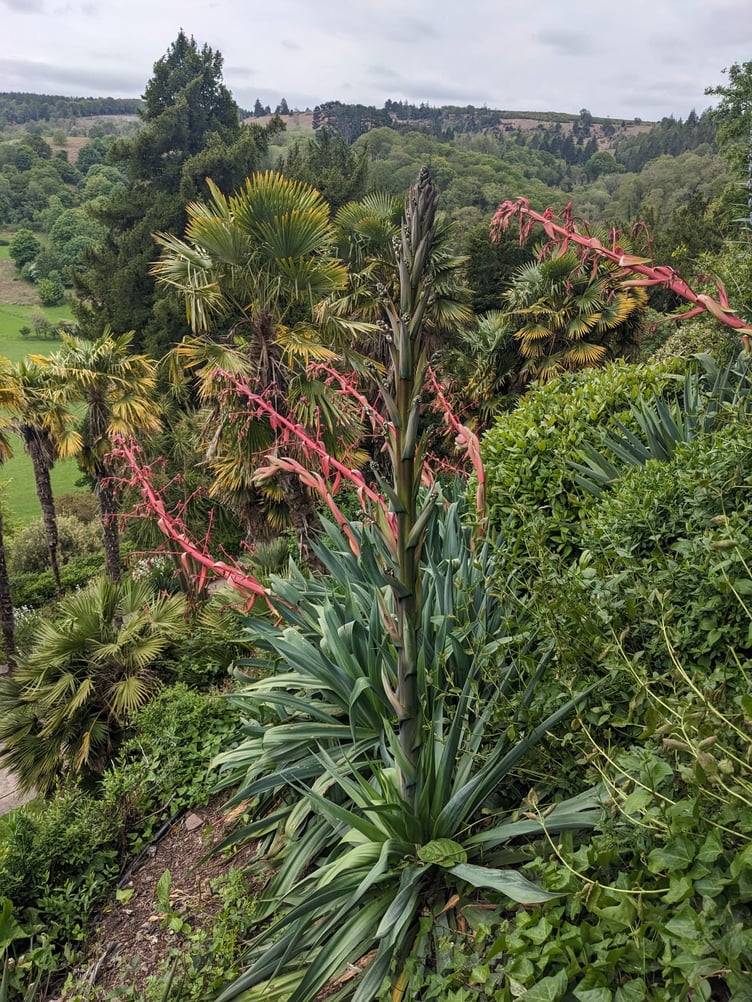
A Furcraea in Dunster castle's terraced gardens. PHOTO: Dave Wood.
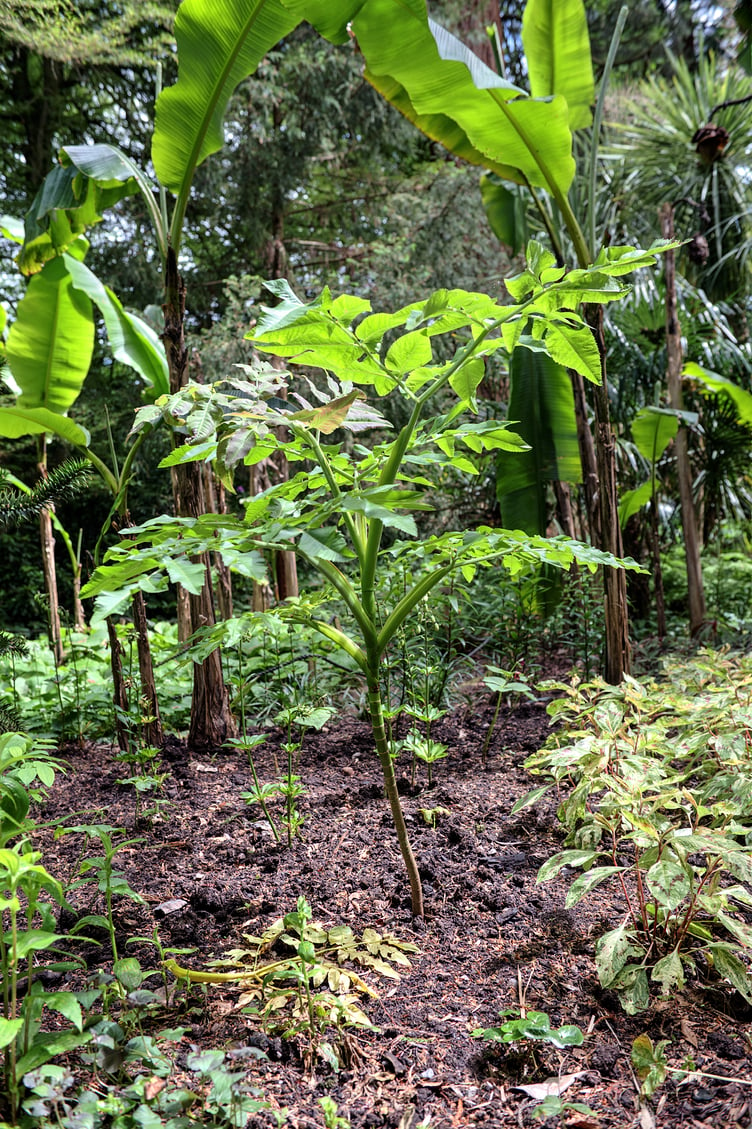
This banana plant is growing in Dunster Castle's terraced gardens. PHOTO: Dave Wood.
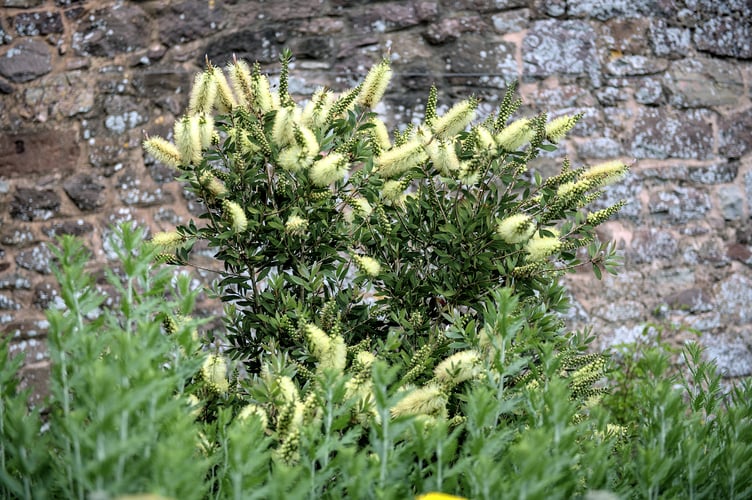
A magnificent Lemon Bottlebrush nurtured by Dunster Castle's gardeners. PHOTO: Dave Wood.
The south terrace of Dunster Castle's gardens. PHOTO: Amy Wigglesworth.
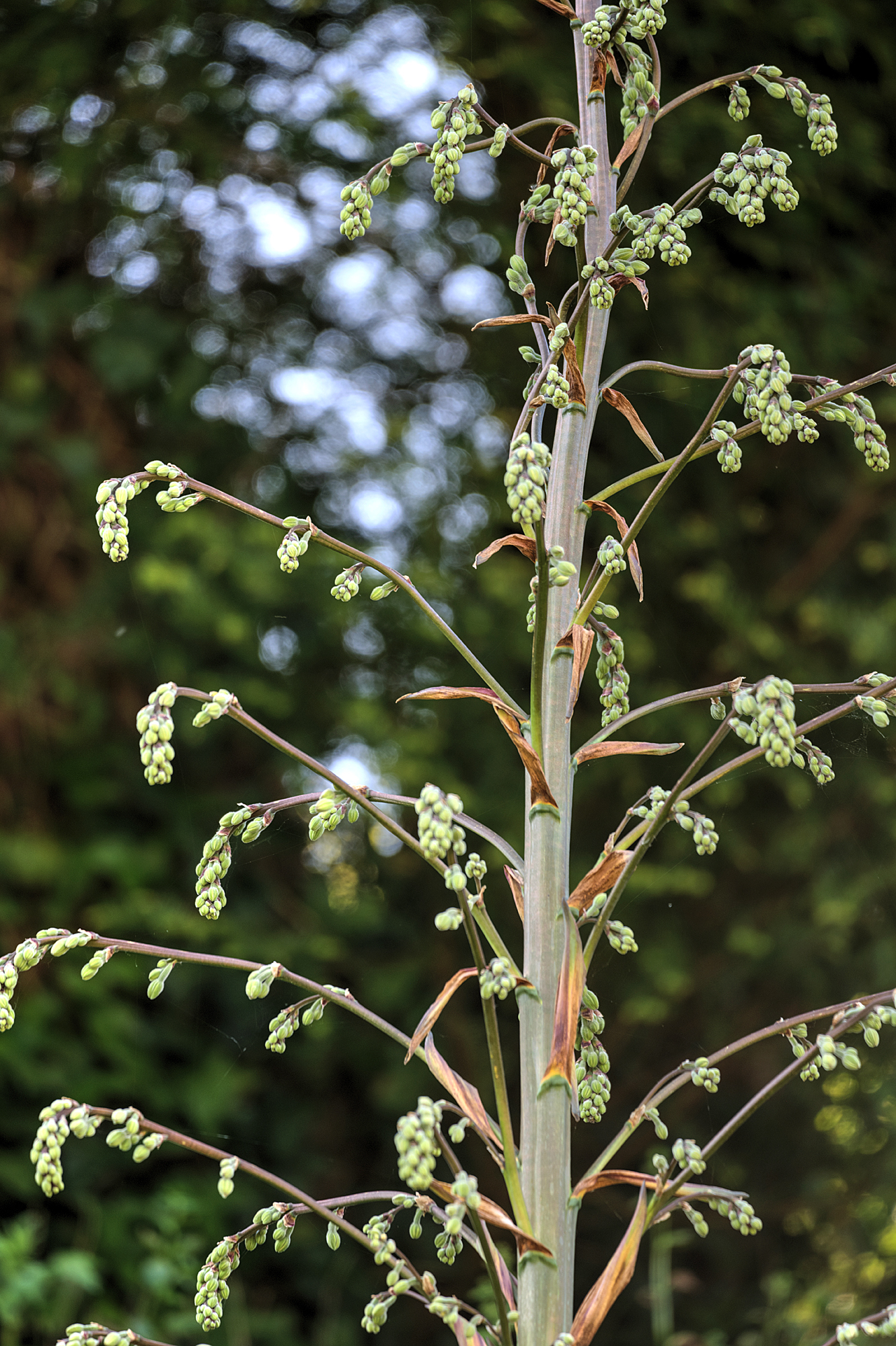
This rare Mexican furcraea on Dunster Castle's south terrace has been blooming for the only time before it dies. PHOTO: Melissa Norman.
A Furcraea in Dunster castle's terraced gardens. PHOTO: Dave Wood. Dave Wood
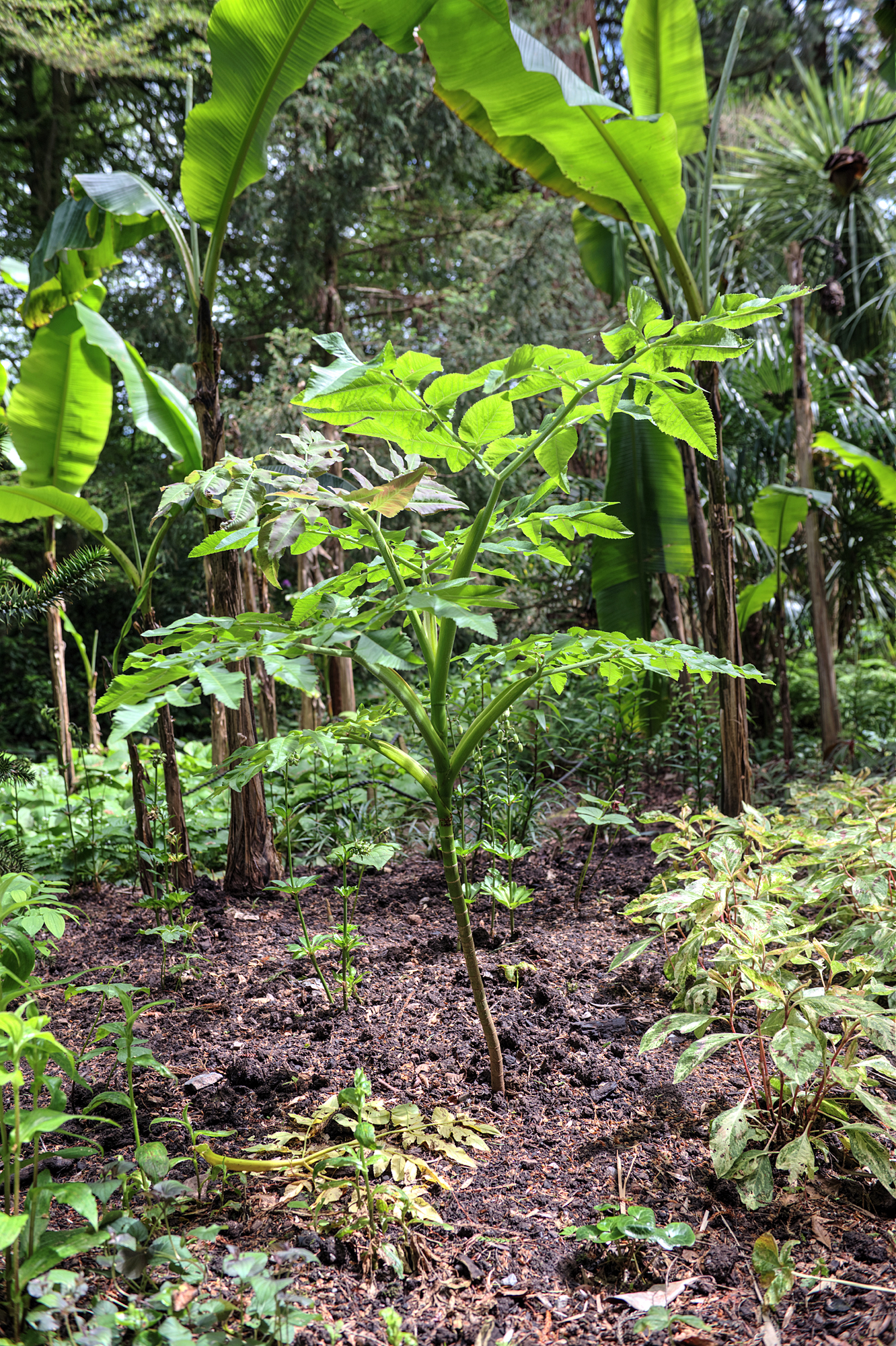
This banana plant is growing in Dunster Castle's terraced gardens. PHOTO: Dave Wood. Dave Wood
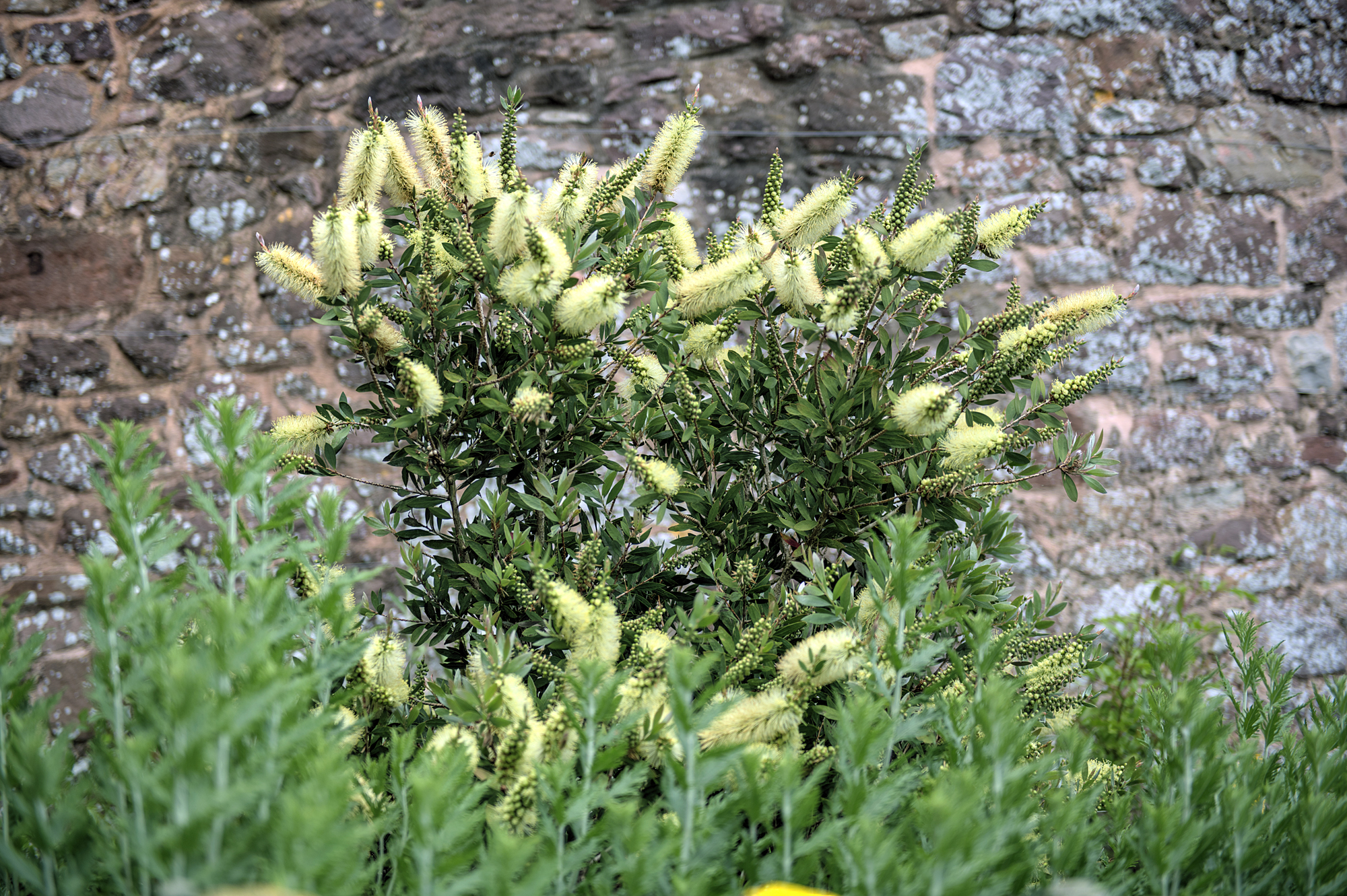
A magnificent Lemon Bottlebrush nurtured by Dunster Castle's gardeners. PHOTO: Dave Wood. Dave Wood
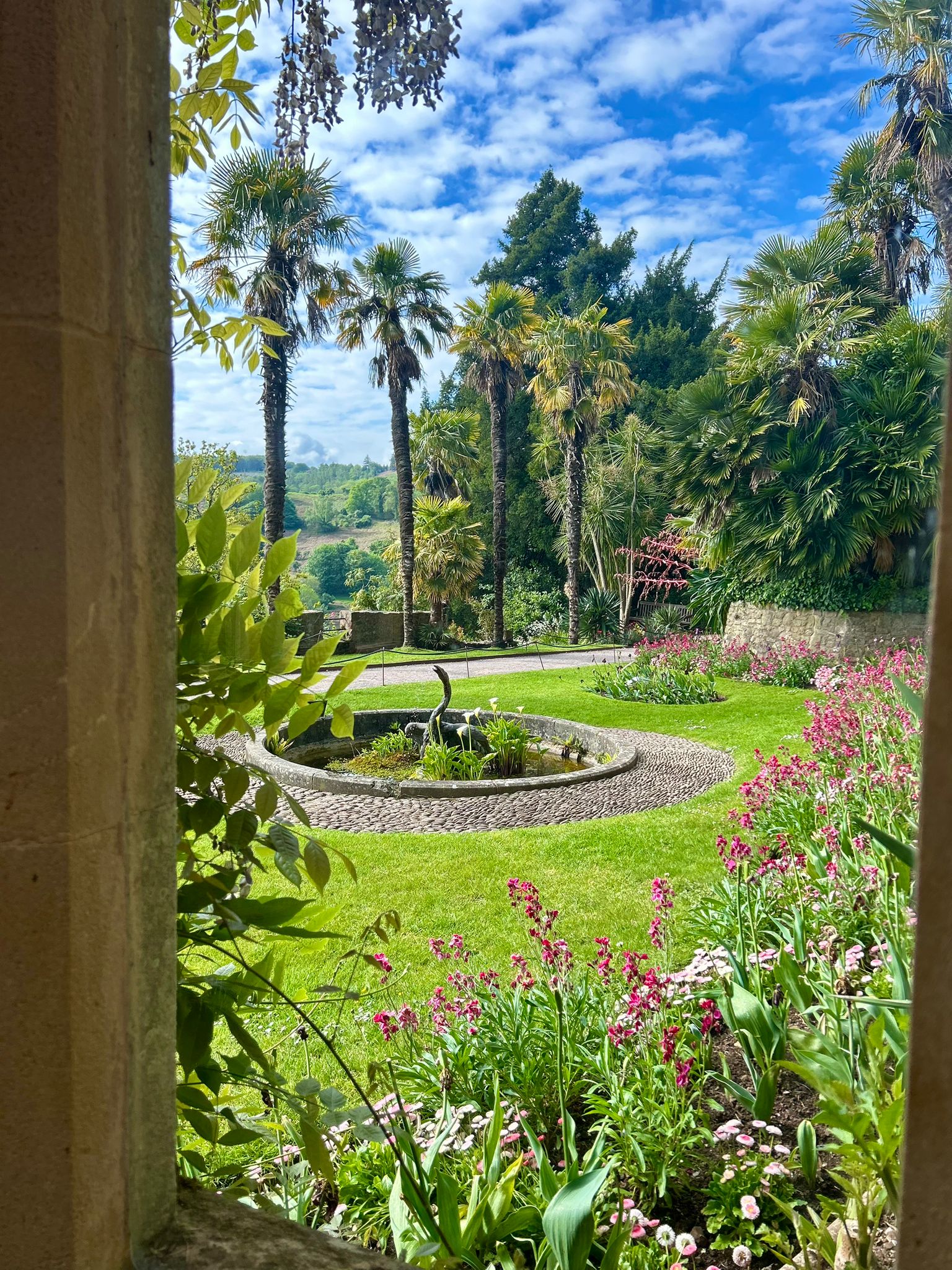
The south terrace of Dunster Castle's gardens. PHOTO: Amy Wigglesworth. Amy Wigglesworth
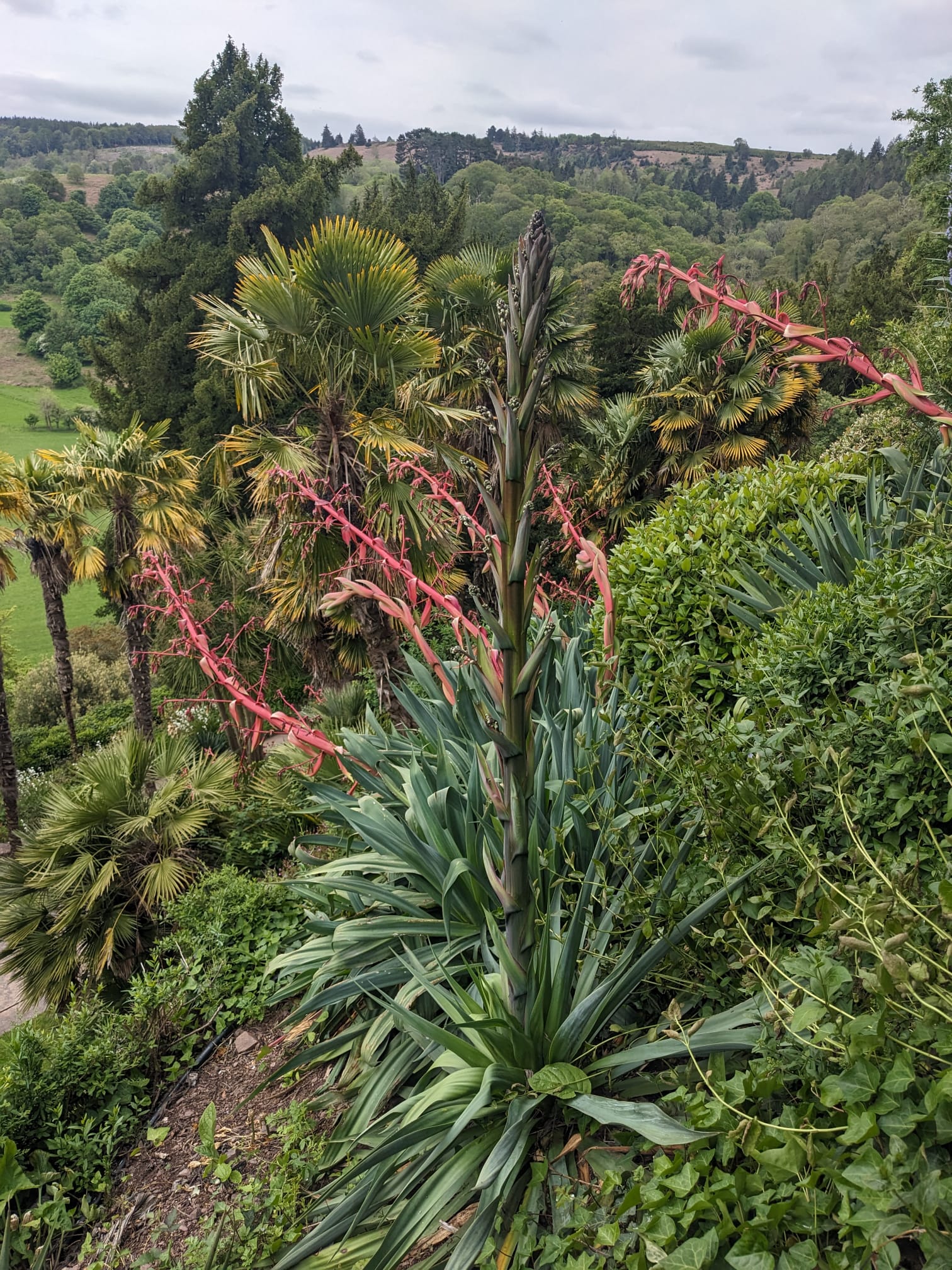
This rare Mexican furcraea on Dunster Castle's south terrace has been blooming for the only time before it dies. PHOTO: Melissa Norman. Melissa Norman
Highlights of the display include rare specimens such as Furcraea longaeva, Melanoselinum decipiens, and Colletia paradoxa, alongside a beautiful display of lilies in the River Gardens.
A National Trust spokesperson said the extraordinary collection owed much to Alys Luttrell, an Australian heiress and a passionate and pioneering plant enthusiast, who arrived in Dunster in 1918 after marrying the then-castle owner Geoffrey Luttrell.
Her plant introductions, along with detailed diaries, have shaped the gardens which visitors see today and she was said to have brought seeds from foreign trips back to Dunster in her handbag.
Head gardener James Cordingley said: "As the climate continues to dominate discussions within the garden industry, we welcome visitors to Dunster to enjoy a self-guided adventure or a led tour to discover plants suited to today’s climatic conditions."
For visitors looking to explore further, a series of ‘Mediterranean Mile’ guided tours will run every Tuesday and Thursday at 1 pm throughout June.
Led by members of Dunster’s garden team, the 45‑minute tours offer insights into the care, history, and resilience of the plants, as well as the distinctive conditions which allow them to flourish.
The castle, watermill, and gardens are open daily from 10 am to 5 pm
Details of admission and opening times are on the trust’s website.
Comments
This article has no comments yet. Be the first to leave a comment.